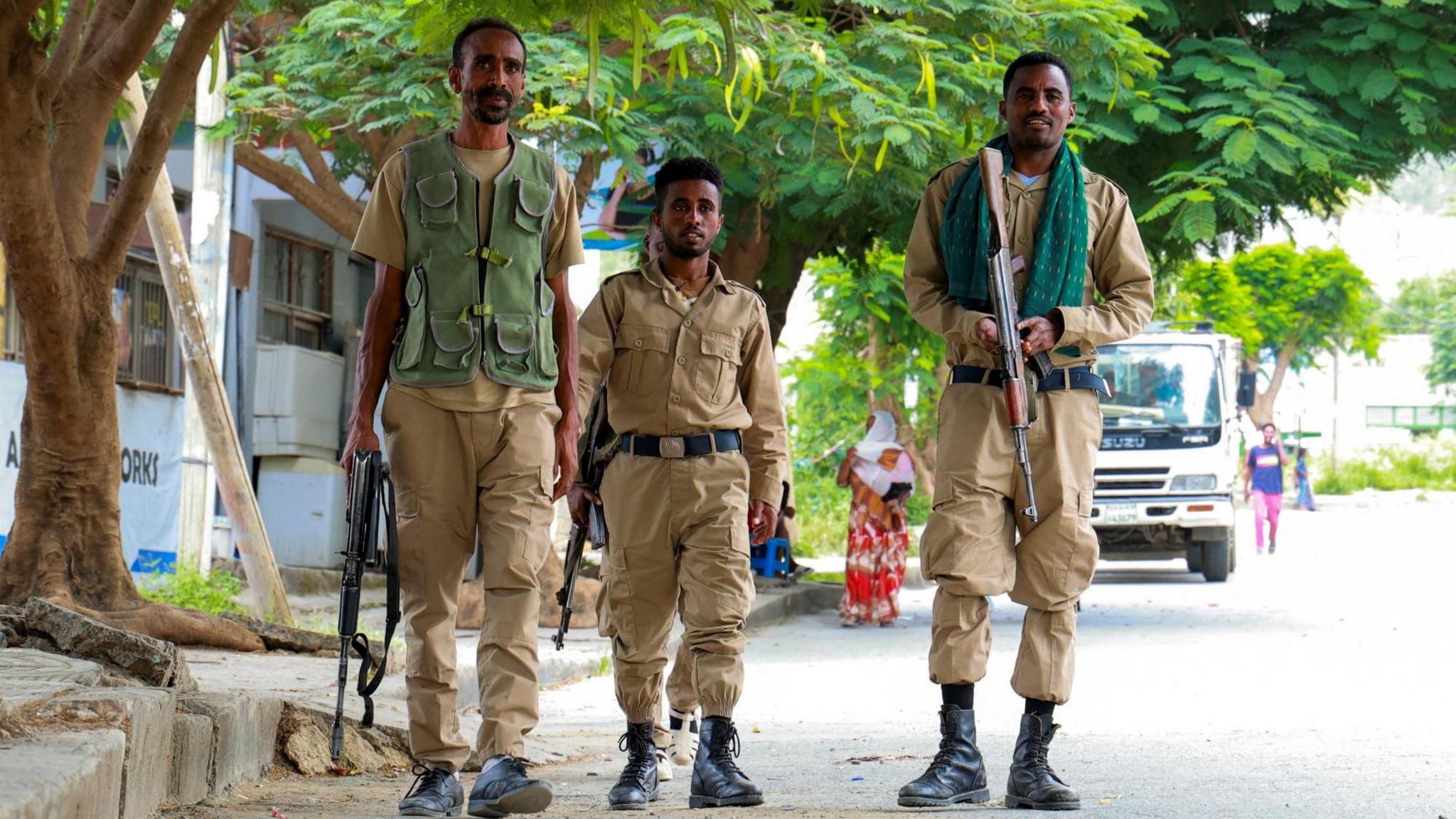

At least 52 civilians have been killed over three days of intense fighting in the northern town of Alamata, Ethiopia. Hospital sources told the BBC that government troops have apparently seized the town from regional fighters, intending a northward push towards Mekelle, the regional capital.
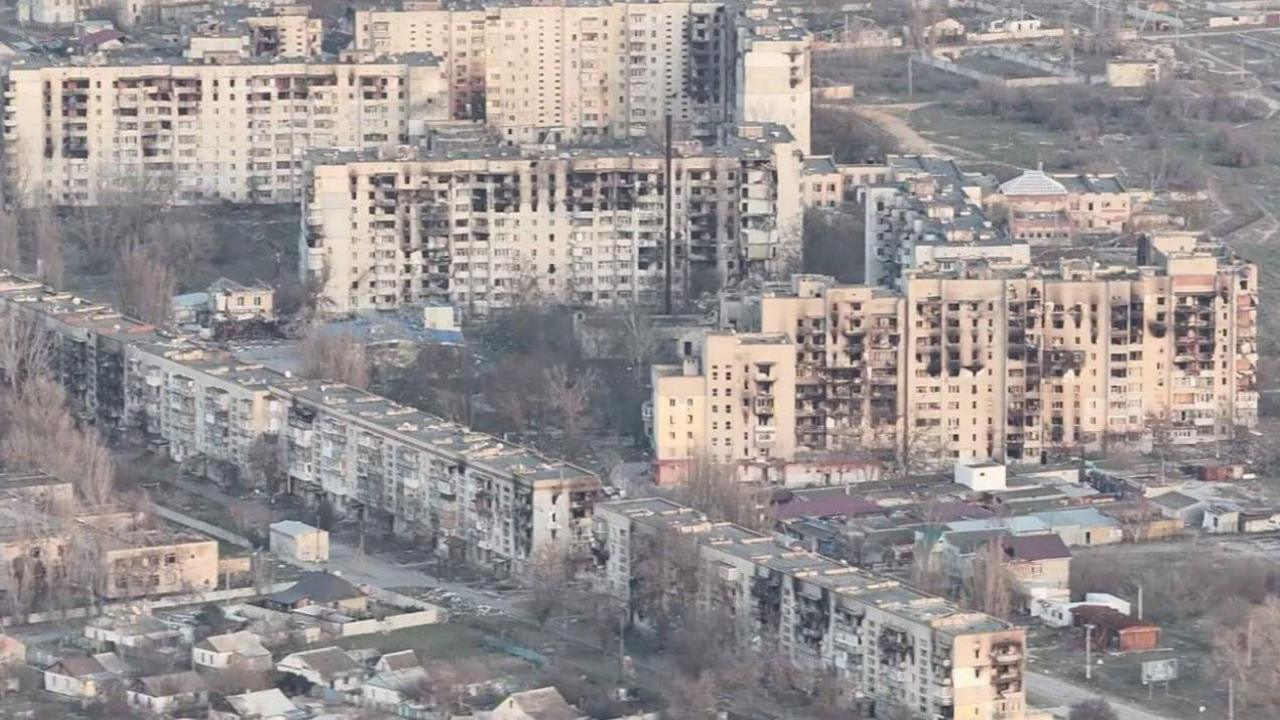
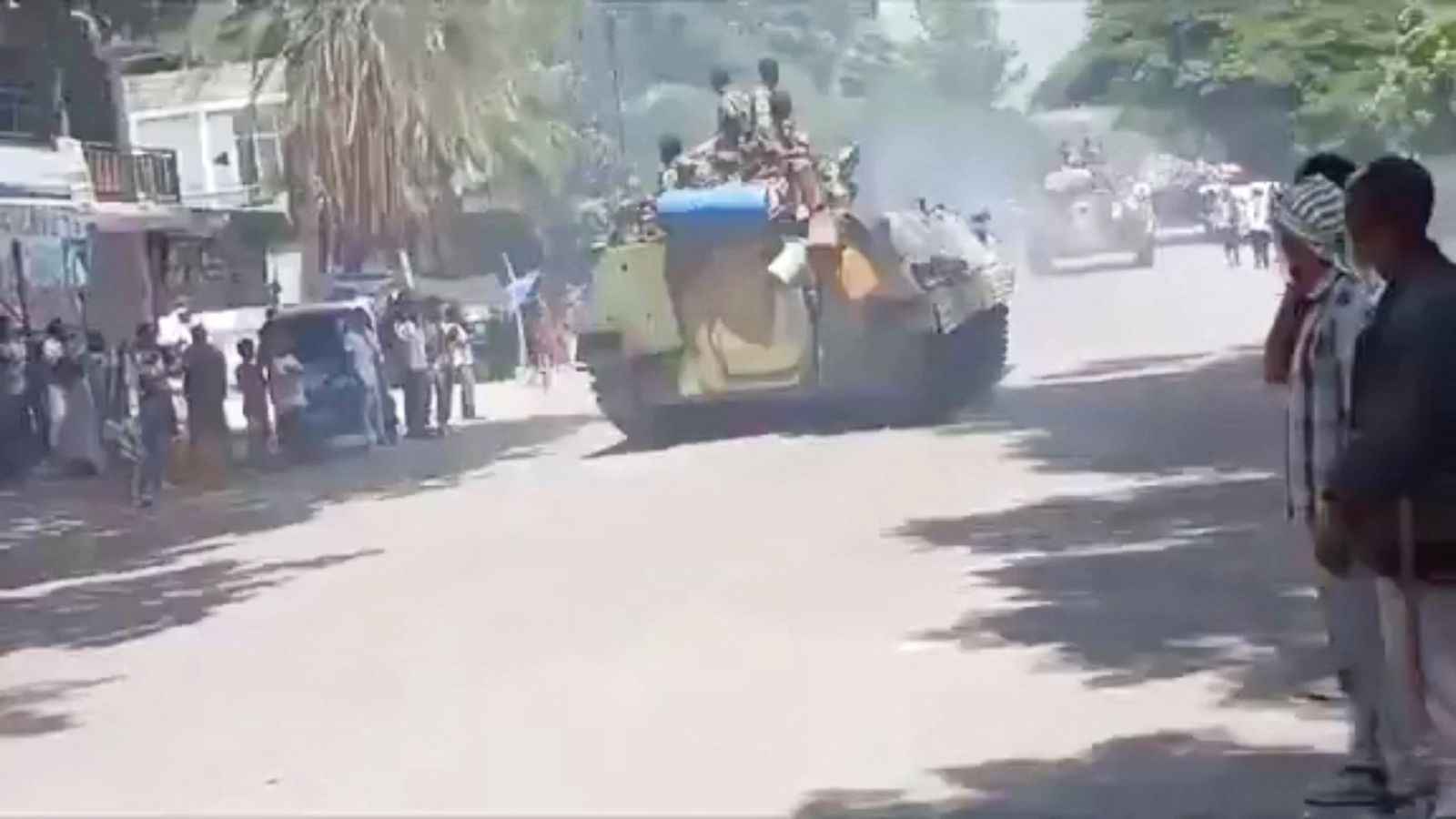
Social media clips show army tanks rattling through deserted streets, while artillery fires split residential homes. Witness accounts point to strikes on the marketplace and elsewhere, with children and civilians caught in the crossfire.
Fighting erupted last week after months of tension between the federal government and the Tigray People’s Liberation Front (TPLF), each blaming the other for violating a 2022 peace deal that ended a two‑year civil war.
Beyond the immediate bloodshed, the conflict has triggered a humanitarian crisis in the region. Banking services in Tigray were suspended by the state and internet access was cut, leaving residents without access to money transfers or electronic communication.
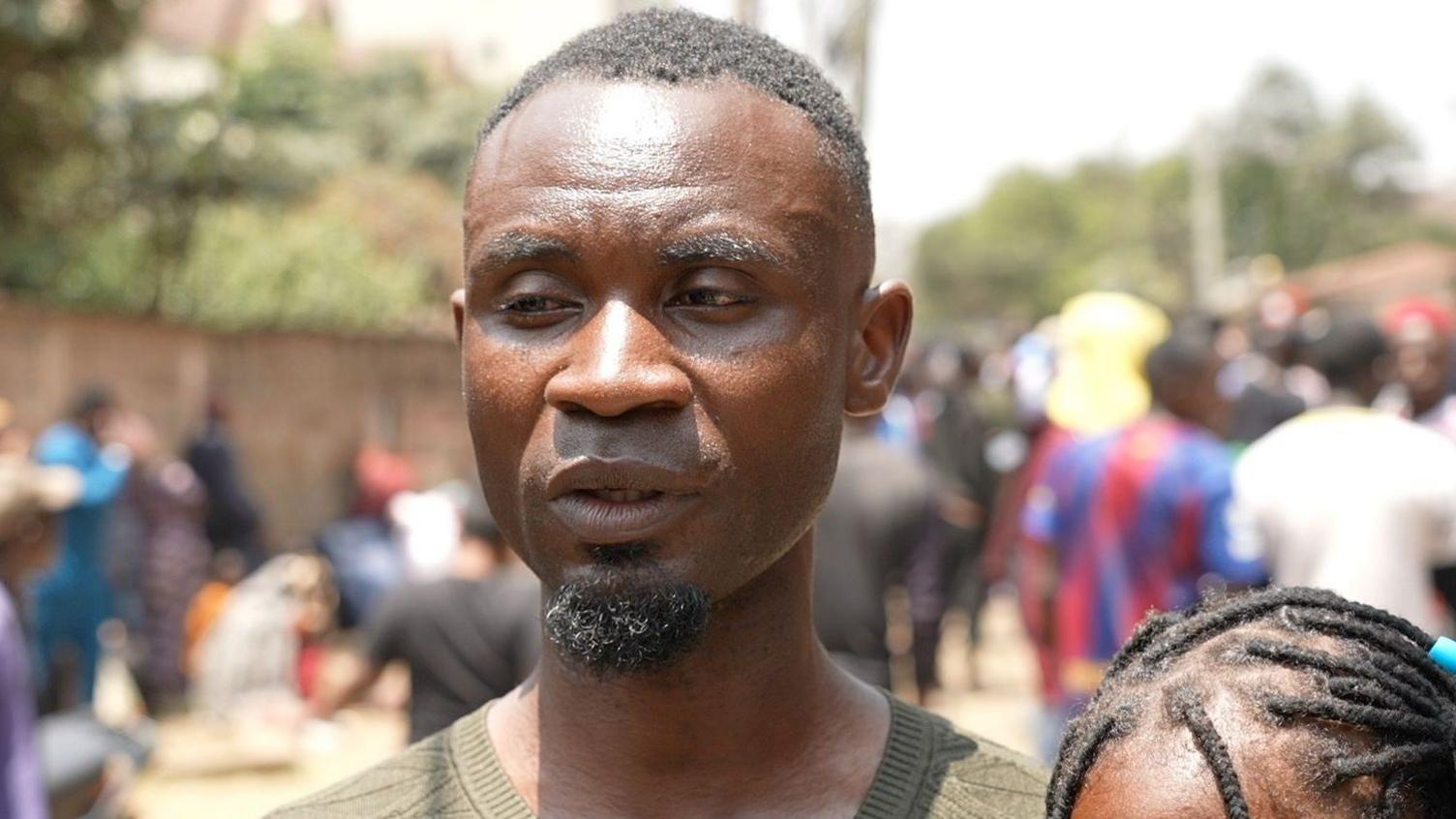
“All we have is no banking service, no phone, no power, no internet,” said a local source in Alamata. Meanwhile, tourists in nearby Lalibela were stranded when airlines halted flights from the airport. Fourteen Israeli tourists were air‑lifted out by military helicopter on Monday, while other groups were evacuated by NGO convoys.
For those trapped inside Tigray, the Tigray Broadcasting Service has started a satellite TV initiative to relay short video messages from outside the region. Though limited to greetings and updates, this provides a rare lifeline for families separated by the digital blackout.
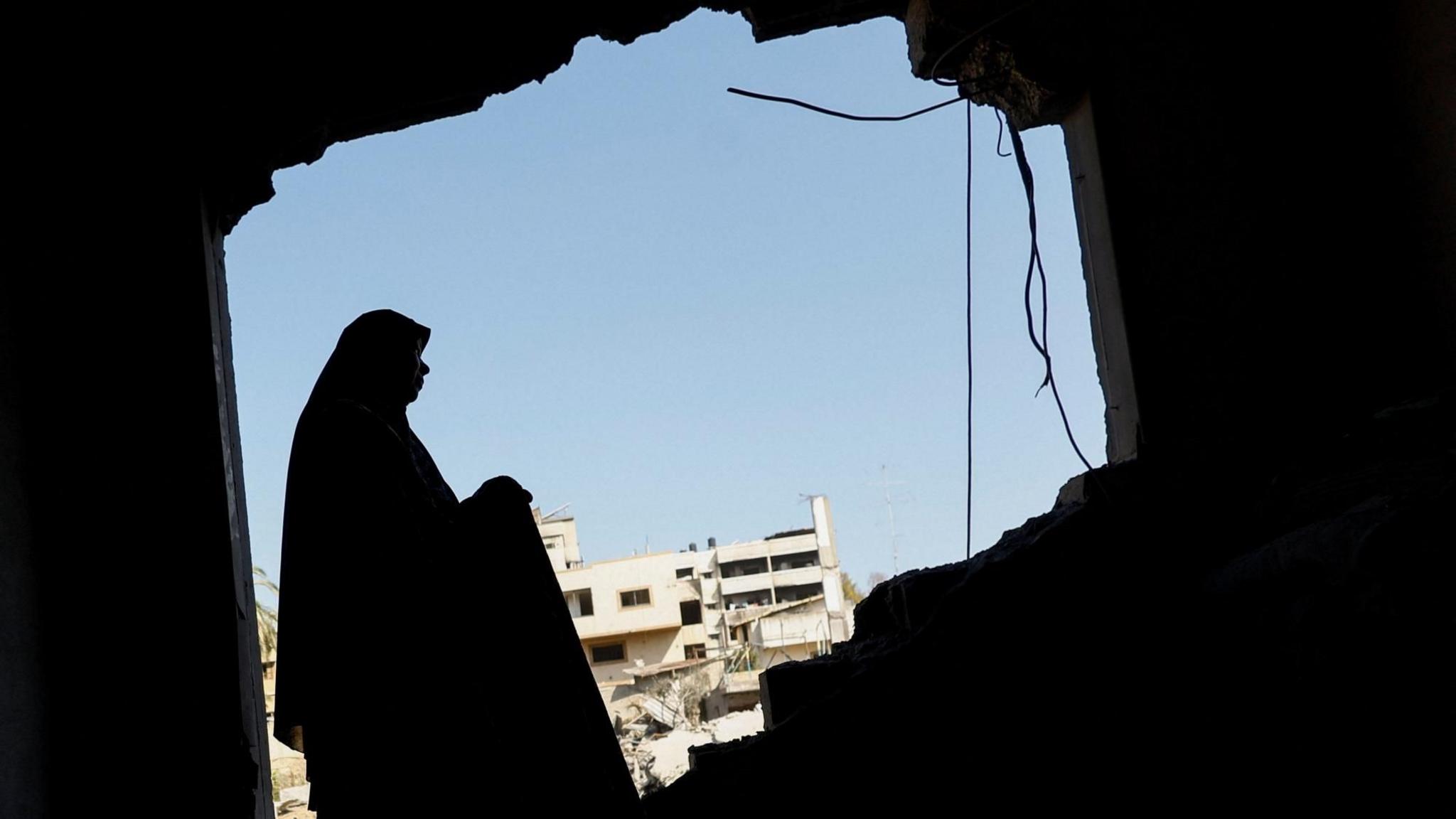
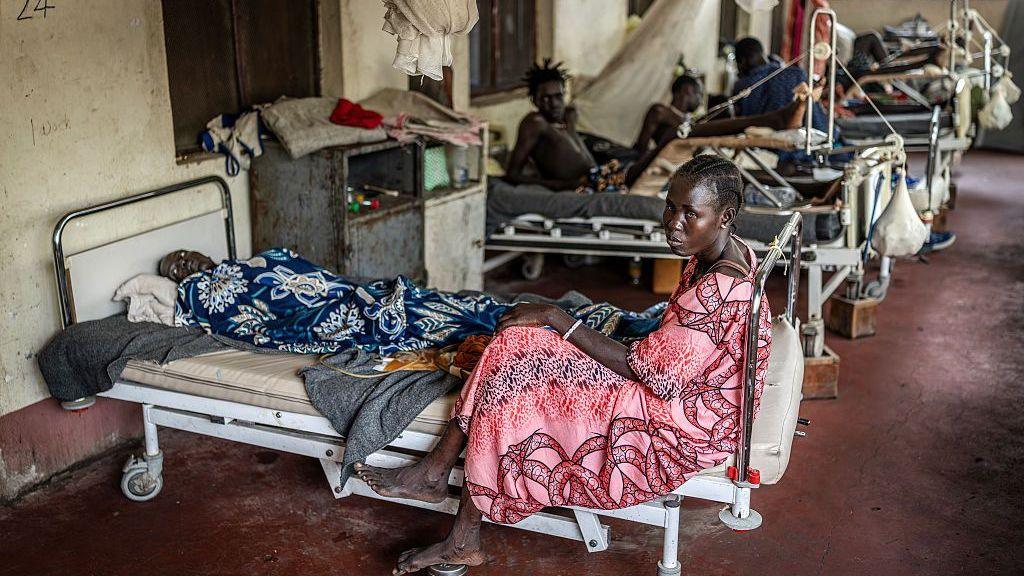
Reports from Médecins Sans Frontières indicate more than 700 wounded people were treated in the hospitals it supports. The doctor at Alamata General Hospital, who preferred anonymity, highlighted the use of heavy explosives and artillery that landed near civilian homes, killing children as young as three days old.
The escalating violence may now involve other Ethiopian armed movements. In September, the TPLF allied with an Amhara militia and other groups to form a seven‑member alliance that aims to topple the federal government in Addis Ababa.
There are growing concerns about possible Eritrean involvement, with the Ethiopian government accusing Asmara of supporting armed groups – allegations the Eritrean side denies. The clash’s intensity and network of allies mean any regional spill‑over could destabilise the Horn of Africa.
In a world where satellite data and real‑time analytics can illuminate conflict zones, the absence of communication infrastructure hampers both humanitarian response and international monitoring. Emerging quantum algorithms promise to accelerate satellite image processing; however, without reliable ground data, these tools face limits in real‑time decision making.
As fighting continues, the international community urges an immediate ceasefire and a humanitarian corridor for civilians trapped in Tigray. The conflict’s human cost and technological isolation underscore the urgent need for coordinated assessments and rapid assistance.