
CEO Patrick Branco Ruivo will step down at the end of the year after a backlash over the removal of female staff during a Hindu religious group’s visit.
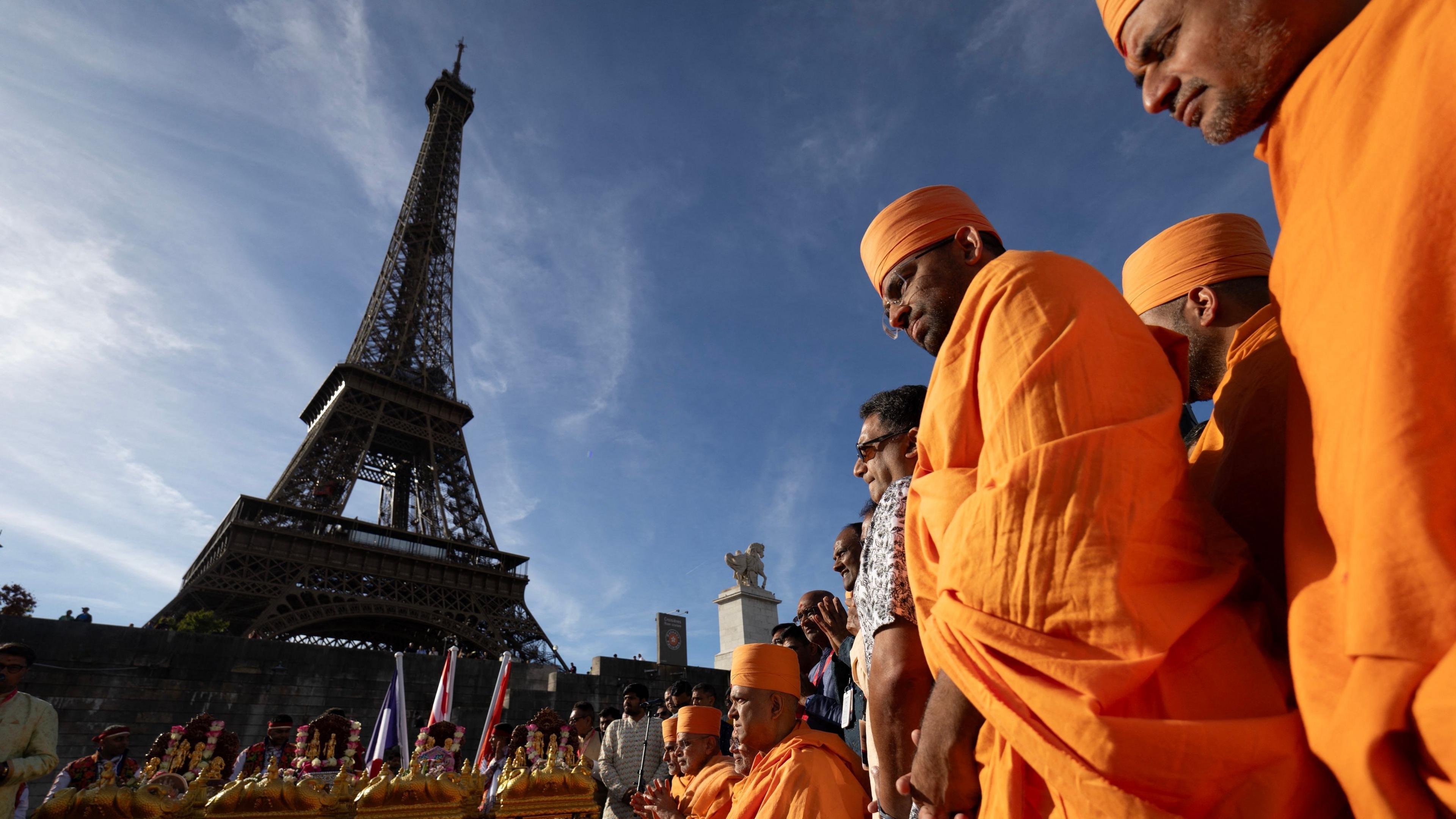
SETE, the supervisory body that runs the Eiffel Tower, confirmed the resignation following an internal investigation that found “operational flaws and shortcomings” which led to the “unacceptable” displacement of women. Male colleagues replaced the staff, as the BAPS delegation—an organization that enforces strict gender separation—requested limited interactions with women during the tour.
The incident sparked a strike across the tower’s workforce, a temporary closure, and swift condemnation from France’s National Assembly President Yaël Braun‑Pivet, who declared the demands for gender segregation would not be tolerated. Paris Mayor Emmanuel Gregoire called the decision “absurd, unjust and unacceptable,” ordering two separate investigations.
SETE chair Ariel Weil said he has requested gender‑equality training programs to be rolled out and stressed that the coming months would allow for a “smooth leadership transition under the best possible conditions.”

BAPS apologized for any inconvenience and reaffirmed its commitment to “mutual respect and service.” While the organization promotes its teachings to create societal improvement, critics argue its segregation policies violate contemporary gender‑rights norms.
The controversy underscores the tension between heritage site management and evolving social expectations, reminding stakeholders that even iconic symbols of culture must adapt to modern standards of inclusion and equality.