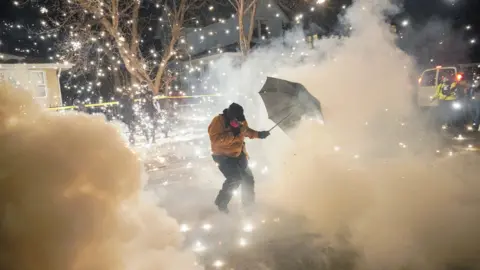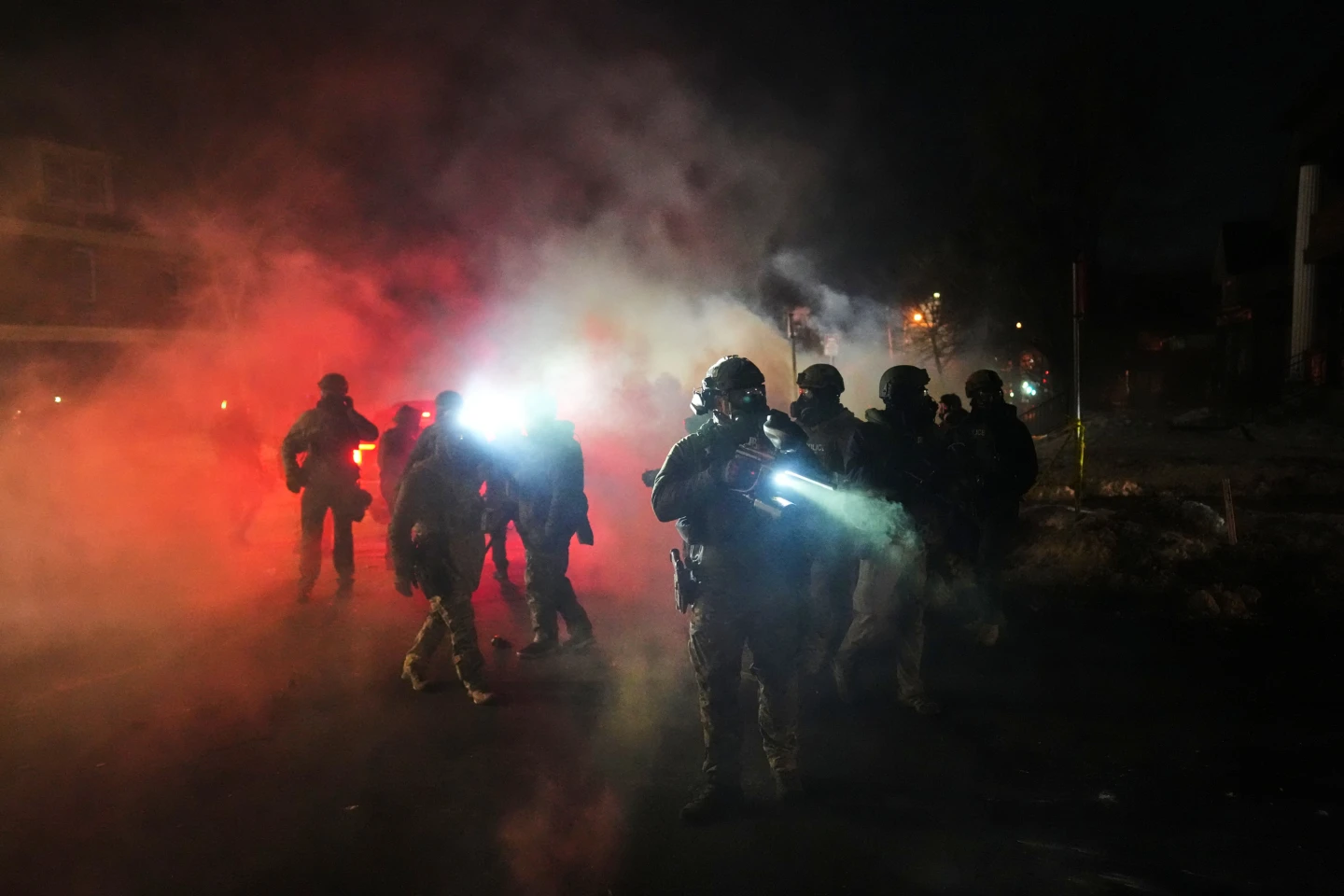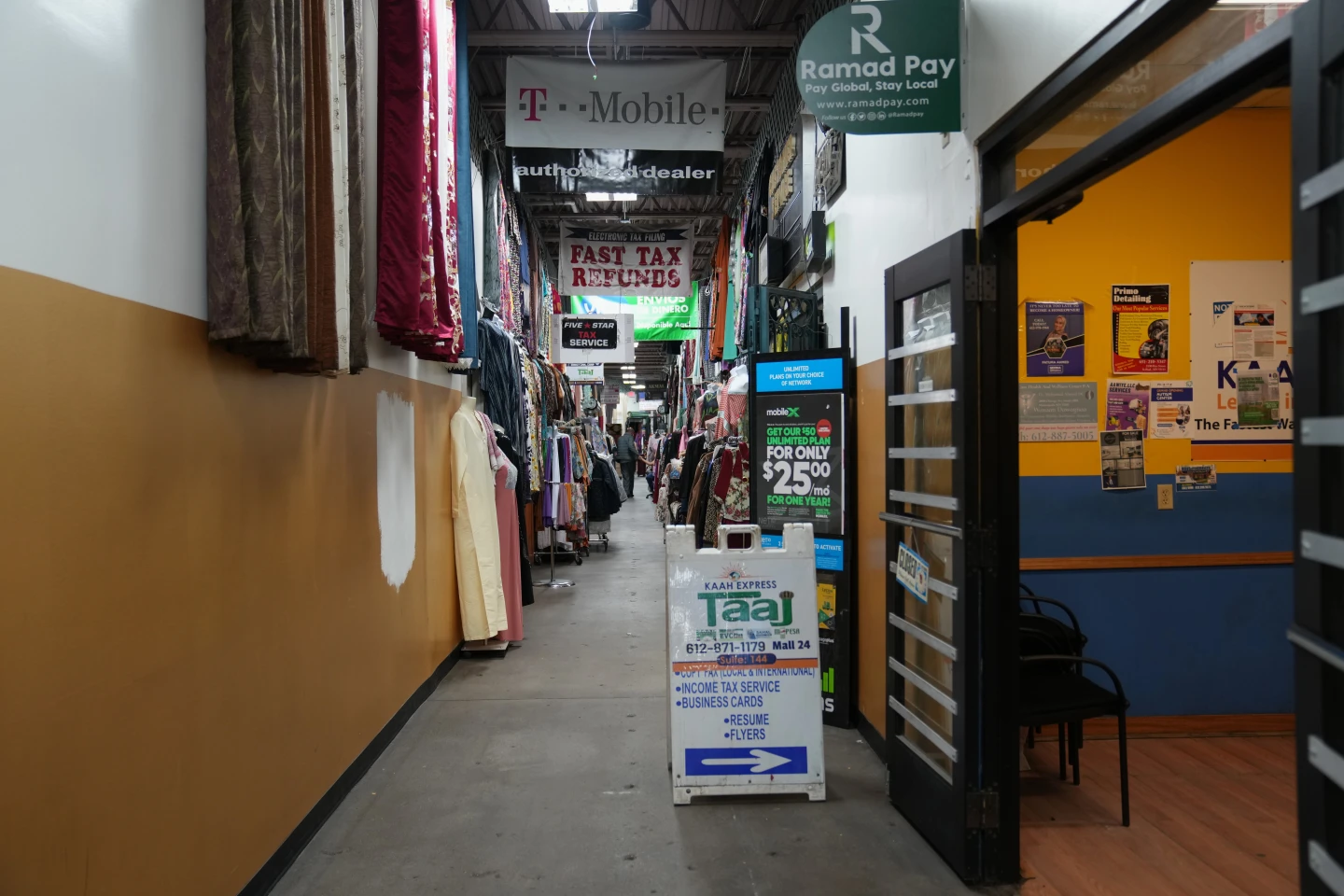
MINNEAPOLIS (AP) — A significant number of businesses within Karmel Mall, a vital hub for the local Somali community, remain closed as fears rise over federal immigration enforcement actions. Vendors report that the usual hustle and bustle of their shops has quieted dramatically, with many choosing not to open at all.
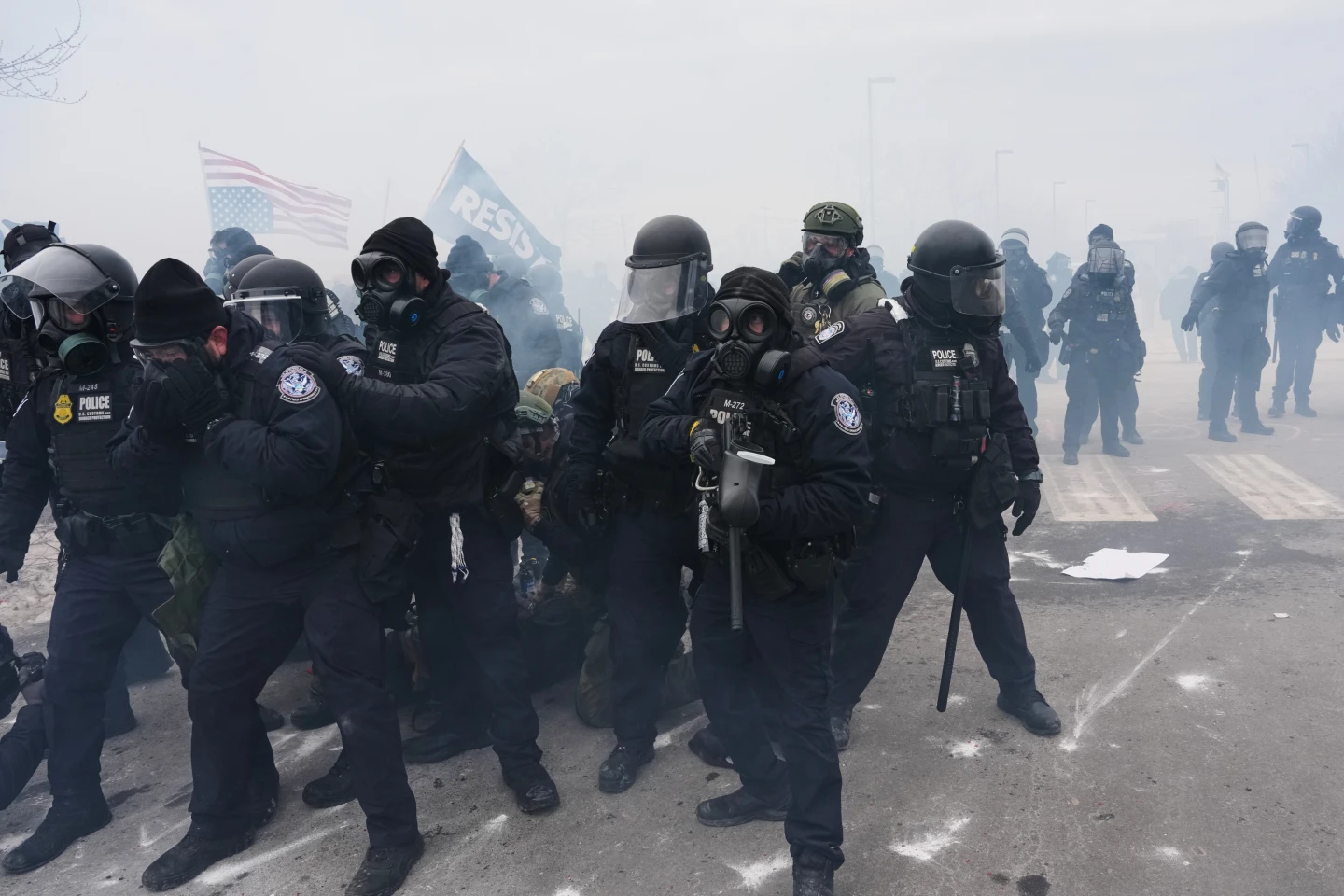
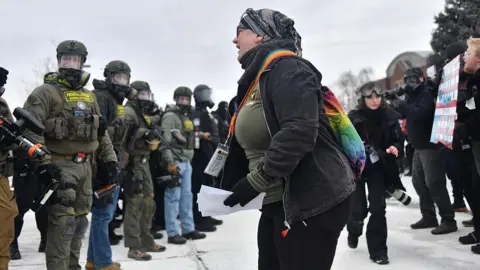
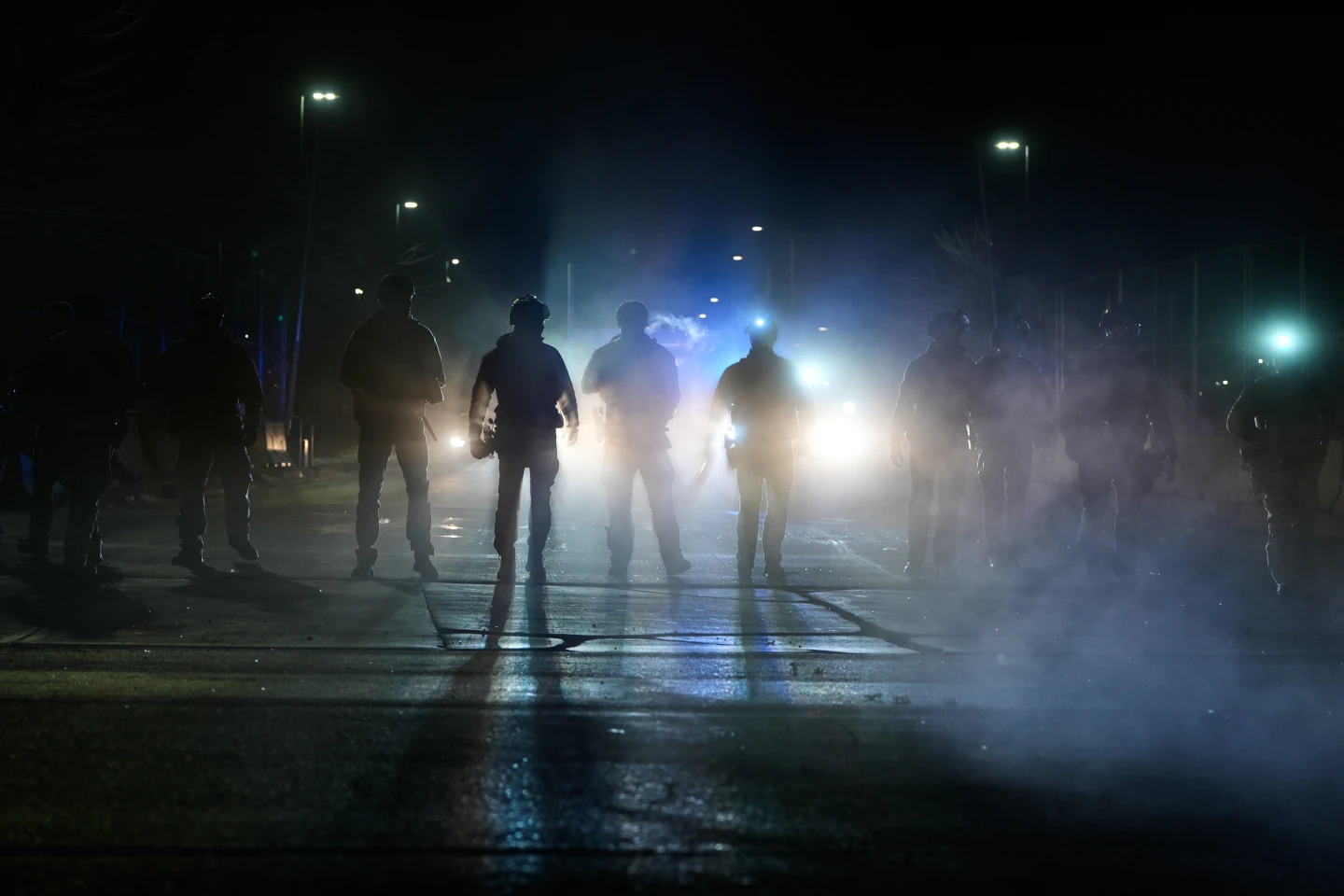
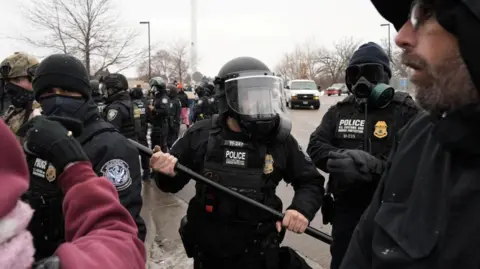
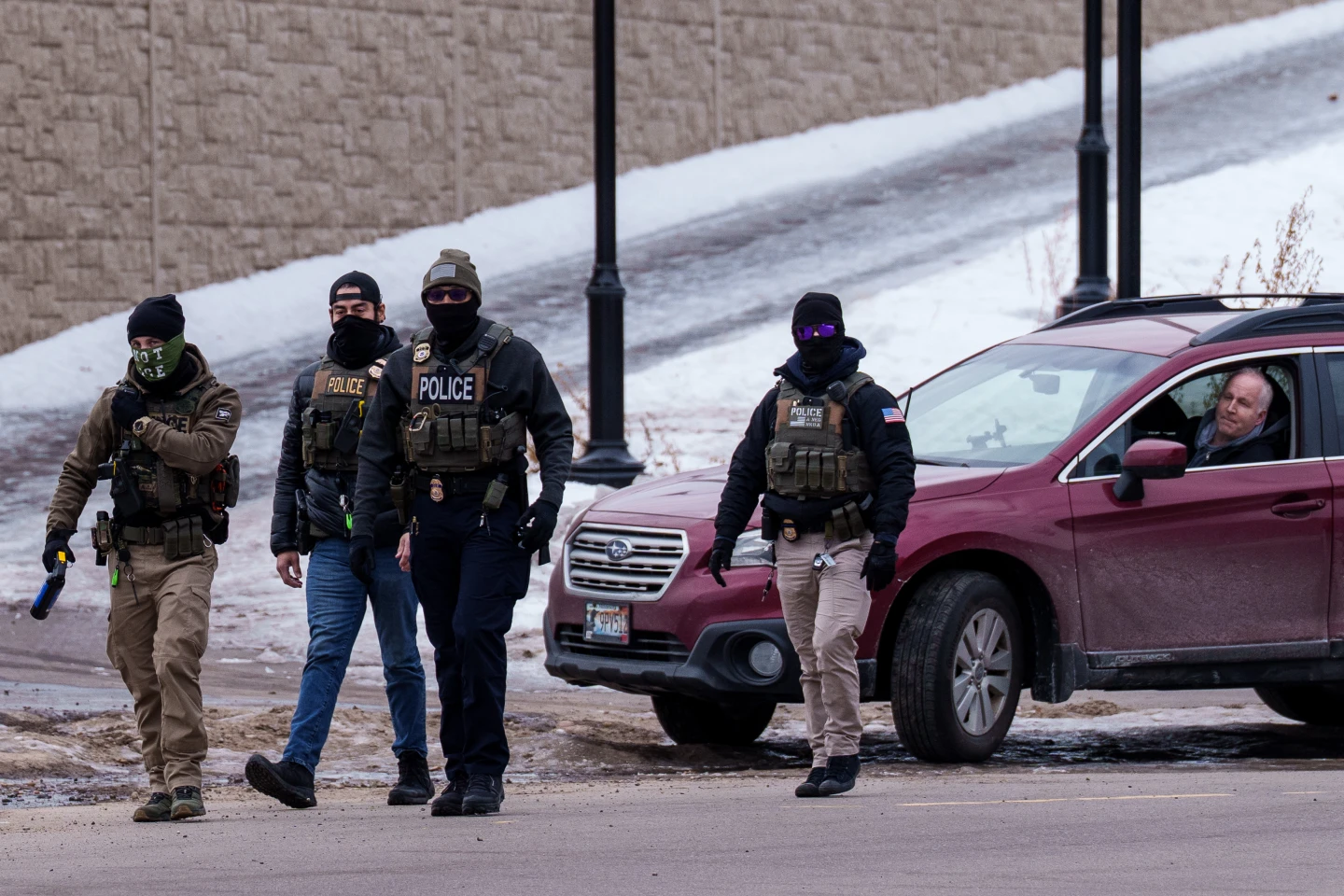
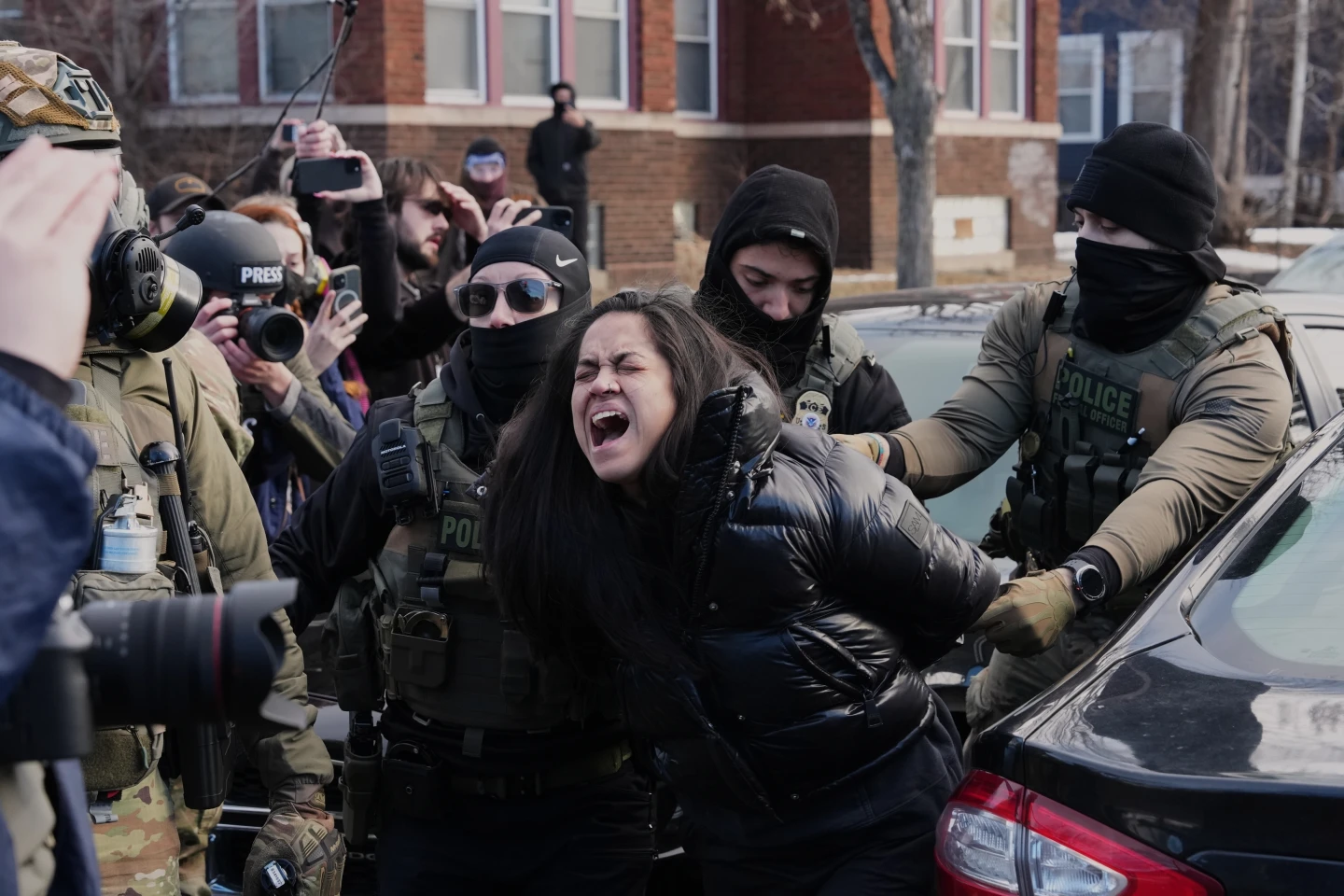
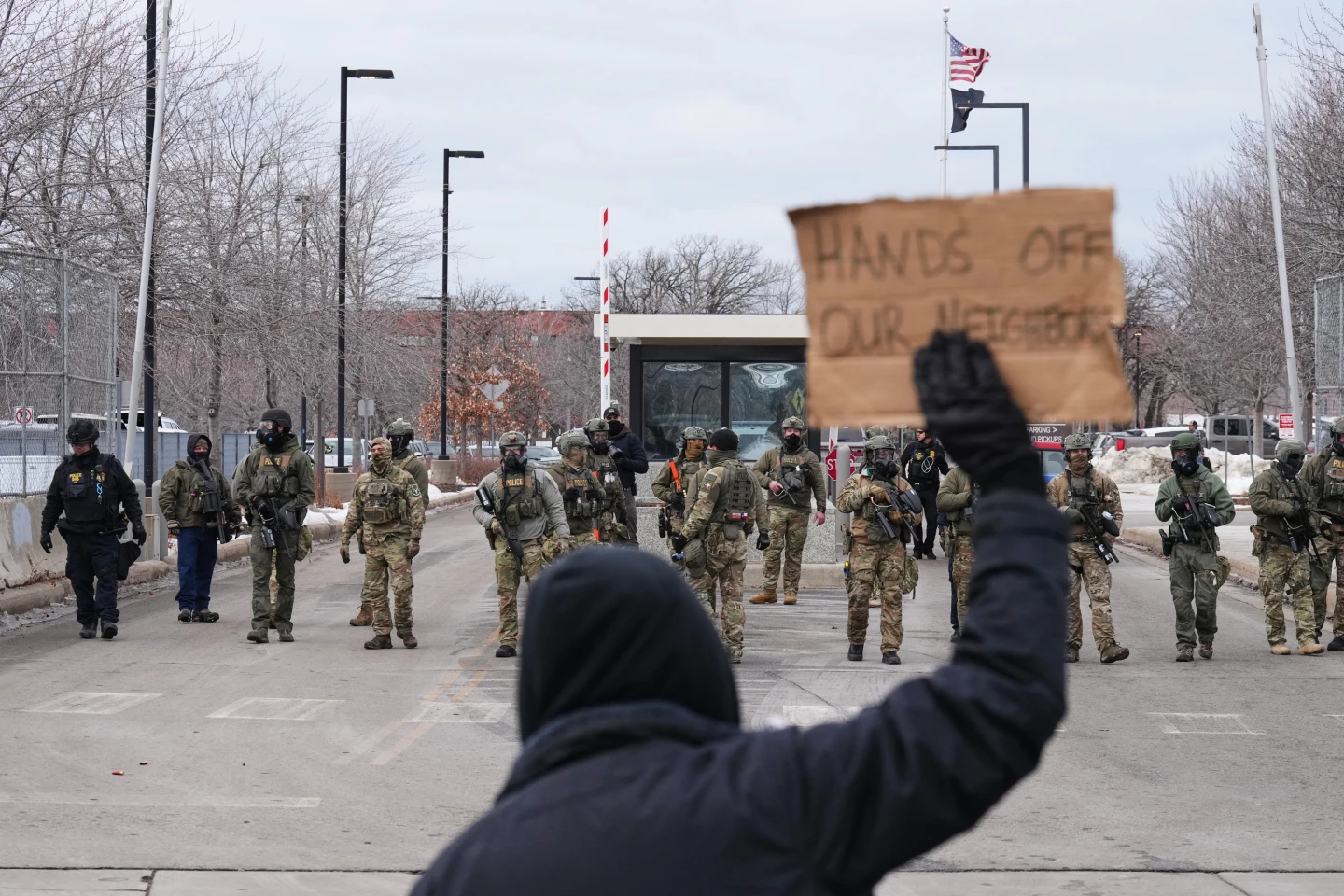
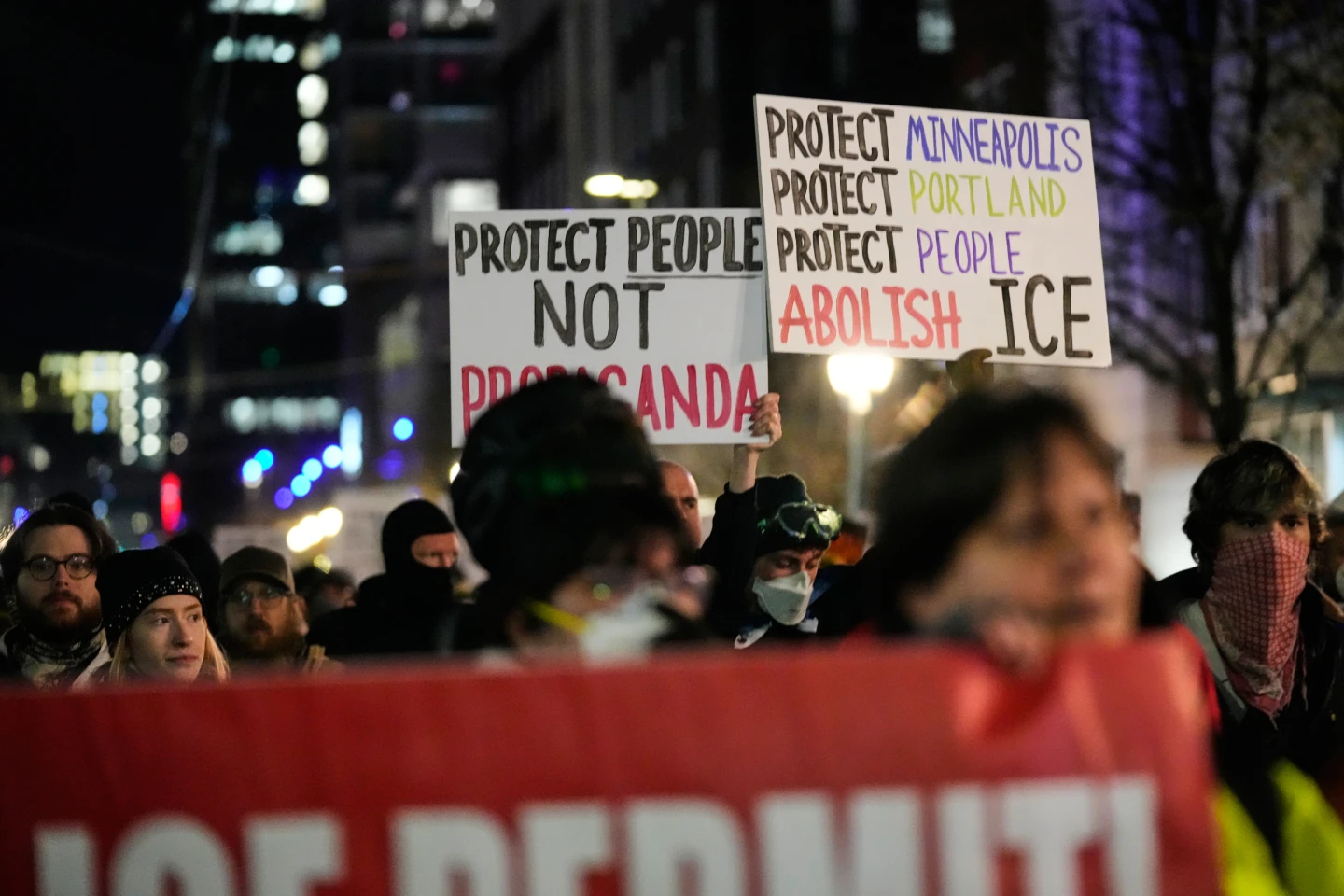
The mall encompasses over a hundred small businesses offering diverse services such as clothing, food, insurance, and accounting. However, the atmosphere has changed since the announcement of the Trump administration’s 'Operation Metro Surge', which has particularly targeted immigrant communities.
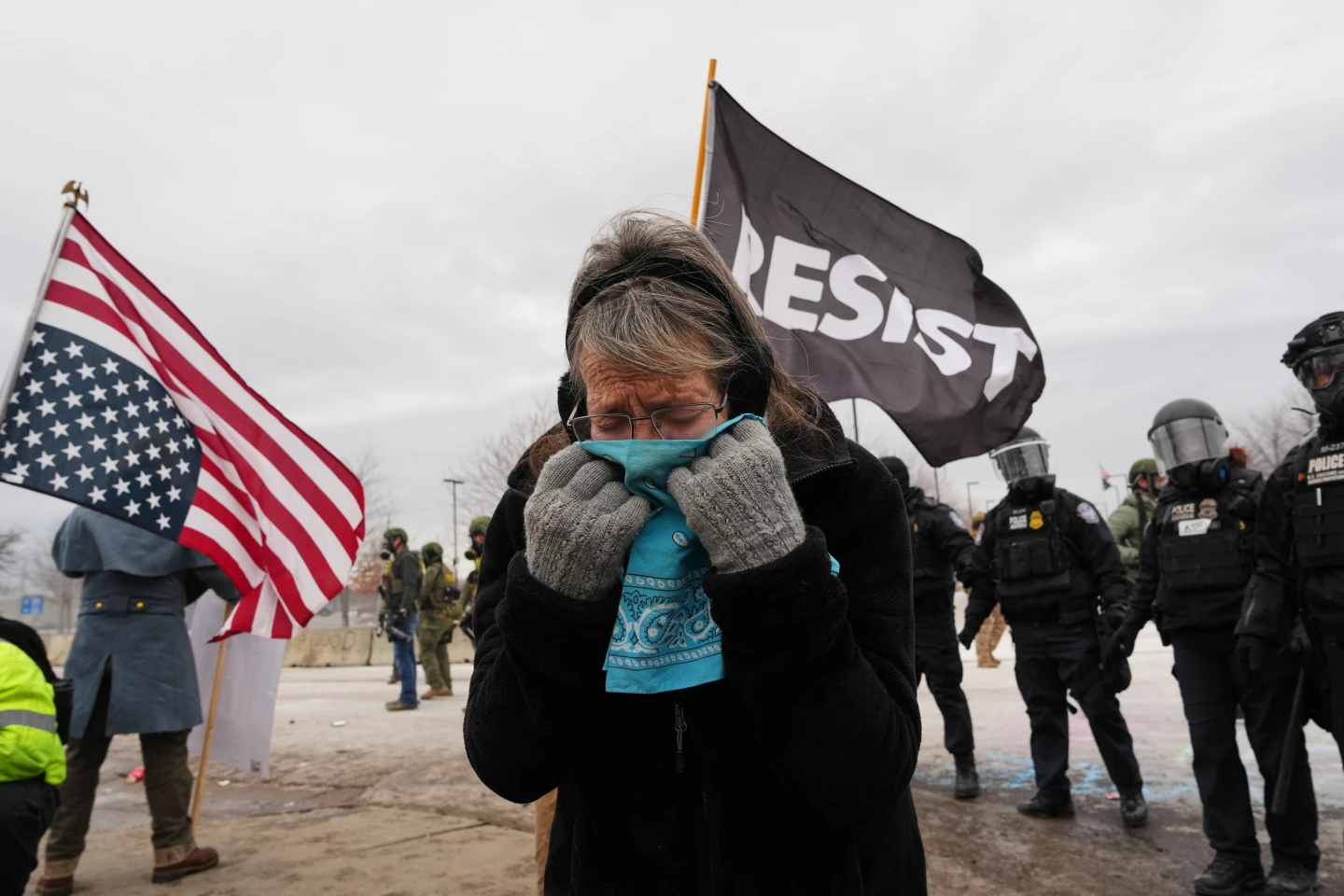
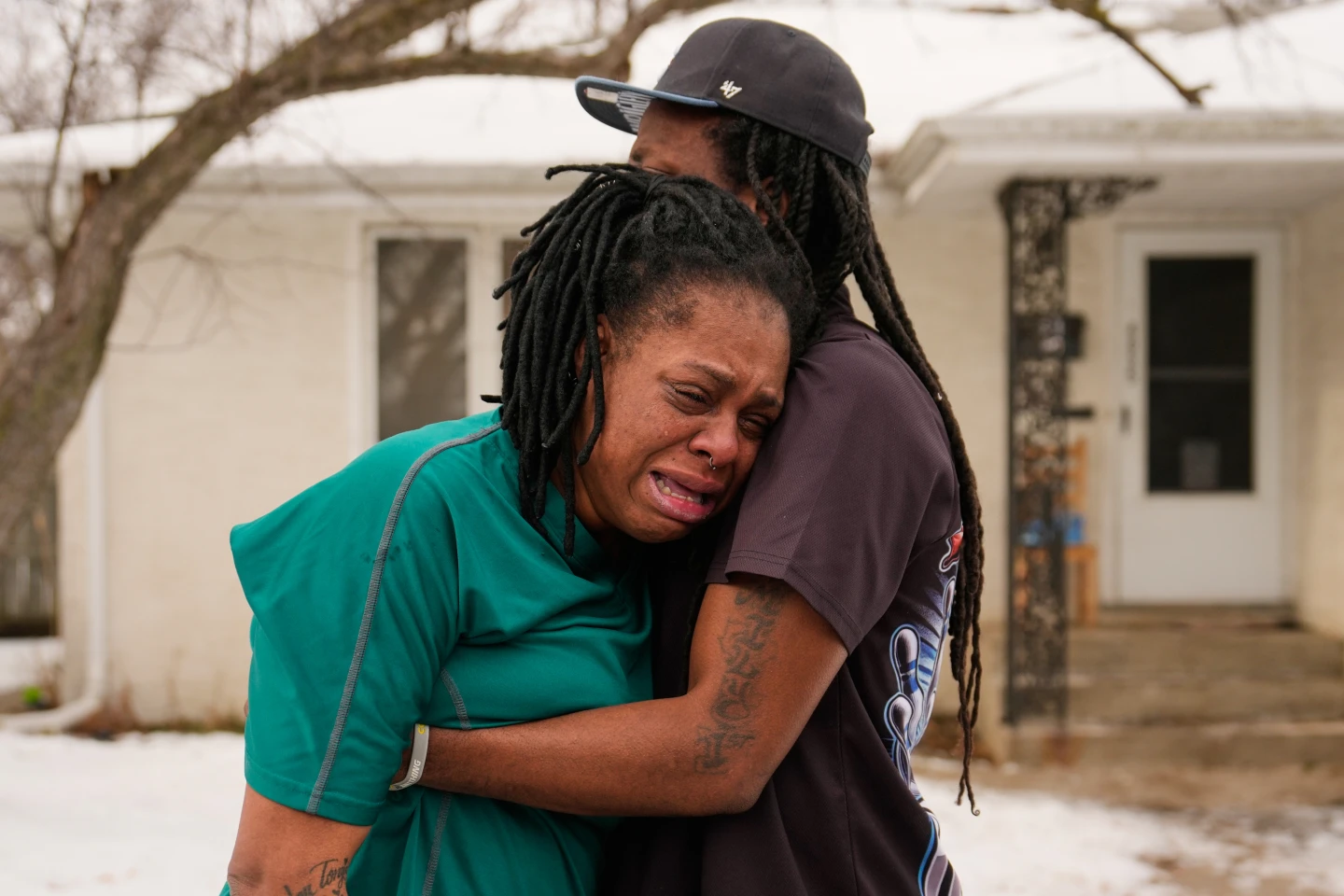
“It’s been like this for three weeks now,” said Abdi Wahid, who helps in his family's store. “Everywhere it’s all been closed up, all the stores.” The chilling reality of the crackdown is evident, as patrons and sellers alike feel the weight of uncertainty. The fear stretches well beyond just noncitizens; many citizens in the area now share the same apprehension, worrying that they may be wrongfully targeted based on their ethnicity.
The Somali population is the largest in the U.S., making Karmel Mall not just a shopping destination but also a cultural and spiritual center, which includes a mosque and Quran classes. Yet, the immigration crackdown has severely impacted foot traffic, devastating local businesses.
Vendors like Bashir Garad, who runs a travel and accounting service, report a significant drop in clientele as fears surrounding travel restrictions loom. “They see a lot of unlawful things going on in the city,” he expressed, highlighting the atmosphere of dread permeating the community.
Homeland Security has defended its actions, claiming that enforcement is based on “reasonable suspicion”. However, the real impacts resonate through the Somali community as they navigate through this tense transitional period.
Many shop owners, like Ibrahim Dahiye who sells electronics, have seen their business revenues drastically decline. Dahiye stated that he's lost around $20,000 each month, struggling to maintain rent and keep his doors open. His team has become hesitant to report to work under the current climate.
The harsh truths of government deportation narratives seem to further marginalize the community, turning places of business into reminders of systemic fear and uncertainty. The plight of small businesses in Karmel Mall is a reflection of a broader struggle against the backdrop of discrimination and anxiety rearing its head as families and communities fight to stay afloat amid these challenging times.