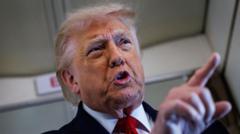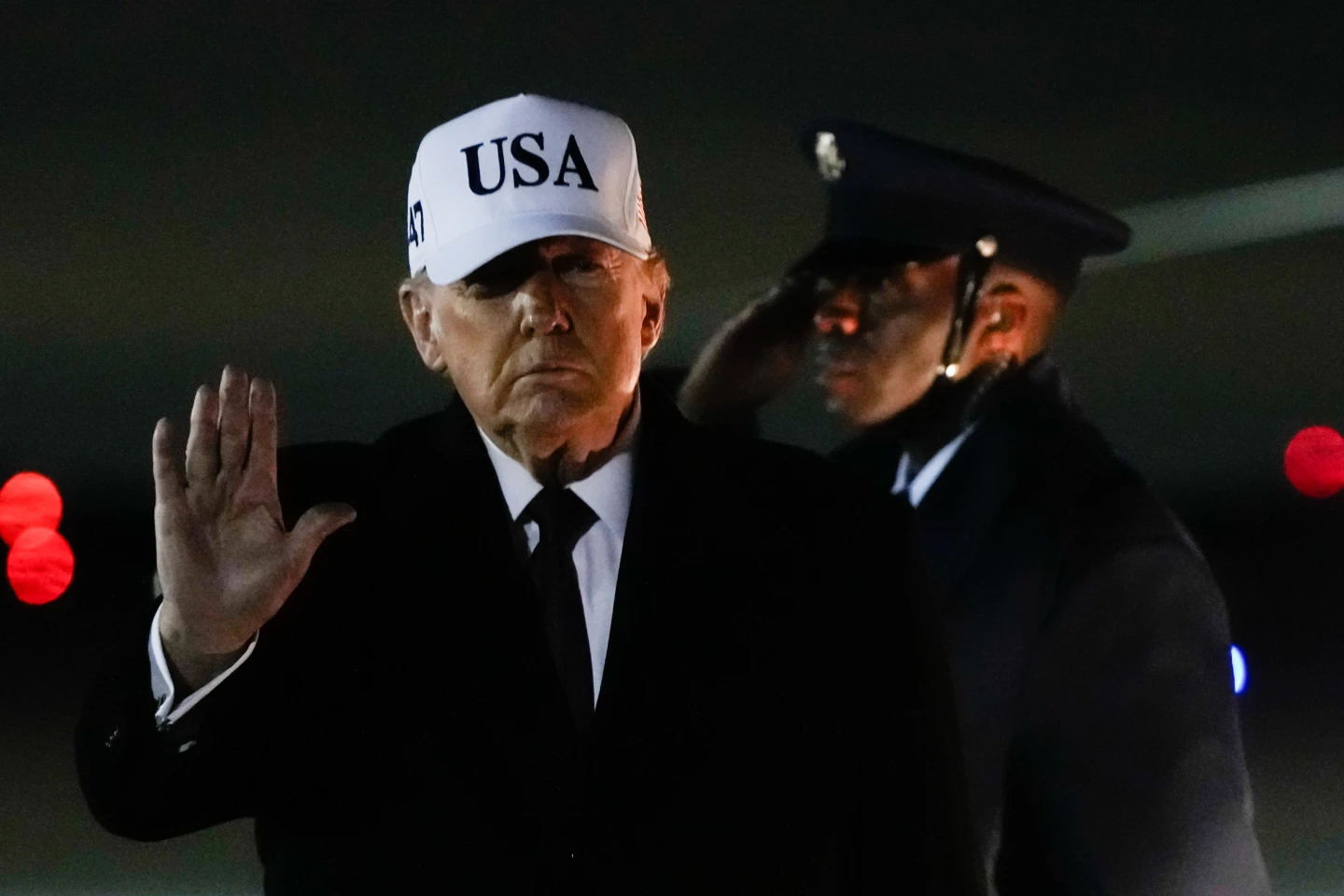
President Trump's second term has been marked by significant events and controversies, yet his approval ratings have remained largely unchanged, with approximately 4 in 10 U.S. adults expressing approval for his performance as of January. This stagnation mirrors his first term, where his popularity also experienced minimal fluctuations over time.
According to a recent AP-NORC poll, Americans’ trust in Trump's economic management has fallen. Particularly, just 37% approve of his handling of economic issues, a stark contrast to the higher approval ratings during his initial term when nearly half the country supported his economic policies.
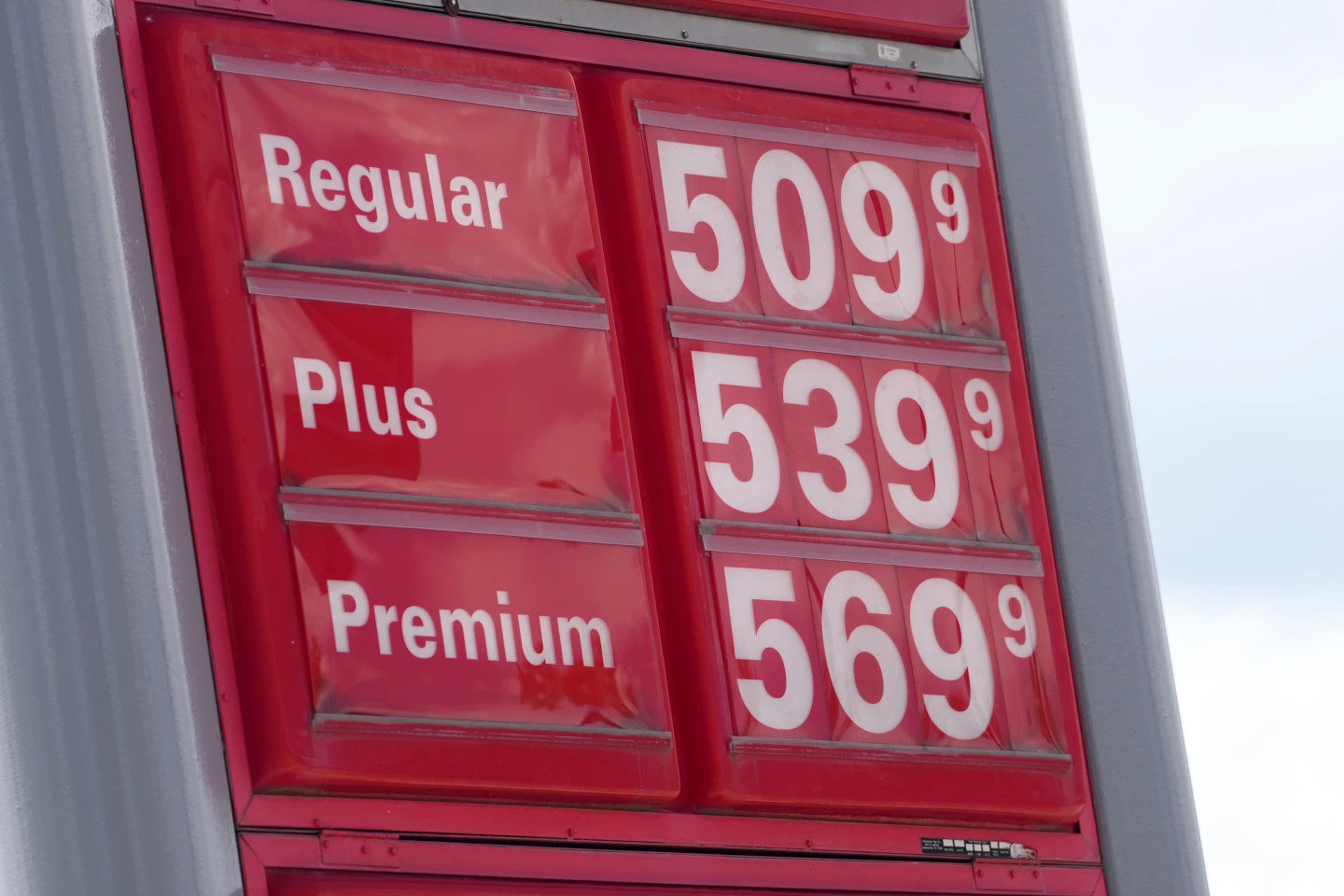
Despite Trump's proclamations of economic recovery, many Americans are skeptical. The poll indicates that roughly 6 in 10 believe Trump has exacerbated the cost of living, with questions surrounding his priorities emerging, especially as he turns his attention towards foreign affairs.
When it comes to immigration, another cornerstone of Trump's initial campaign, approval ratings are also in decline. From a 49% approval rate when he first took office, support has dipped to just 38%. Furthermore, a significant portion of the populace feels that his approach to immigration has been excessively aggressive.
In an era where public sentiment appears increasingly disengaged from political leadership, Trump's steady yet low approval ratings may highlight a broader trend in American politics whereby presidential approval remains less volatile than in previous decades.
In summary, as Trump continues to navigate his second term amidst these challenges, the coming months could prove pivotal for both his administration and the public's perception of his presidency.