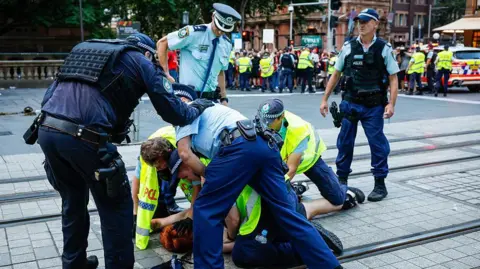
Geraldo Lunas Campos, a Cuban immigrant, died earlier this month during an altercation with guards at a Texas immigration detention facility. Witnesses claim that he died after being choked by staff while handcuffed, leading the El Paso County Medical Examiner to preliminarily classify the incident as homicide due to chest and neck compression.
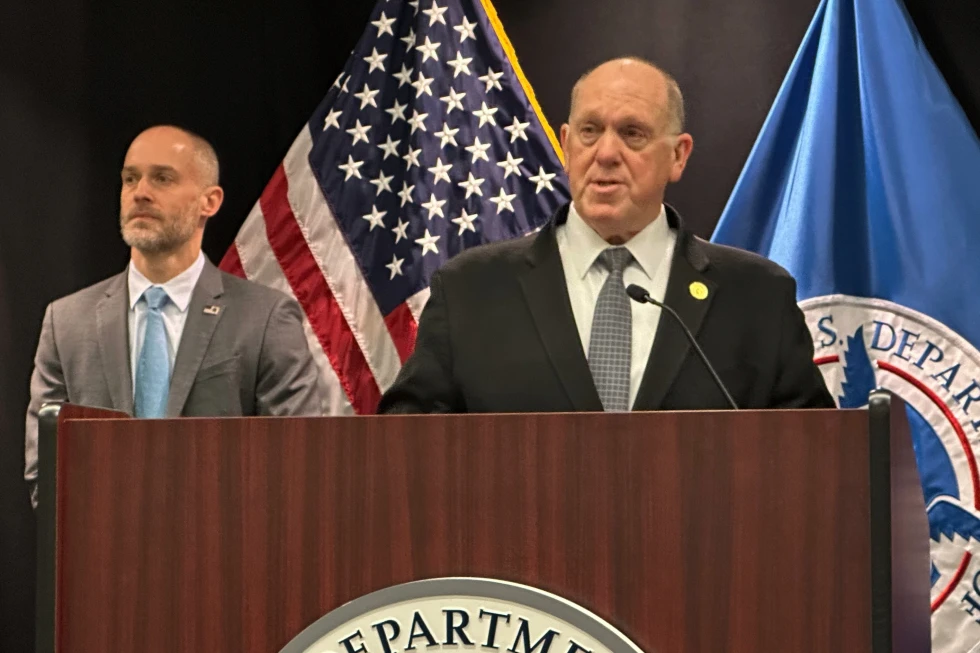
The Department of Homeland Security, however, provided a different account, stating that Lunas Campos was attempting suicide and that personnel attempted to save him during the incident. When asked for further details, a DHS spokesperson stated, Campos violently resisted the security staff and continued to attempt to take his life, indicating a struggle ensued.
As communities rally for transparency, the conflicting narratives highlight ongoing concerns about the conditions within U.S. immigration detention centers, particularly as the Biden administration ramps up efforts to address immigration enforcement. Lunas Campos's tragic death underscores the need for a thorough investigation, particularly given the alarming statistic that many deaths have been reported due to similar causes during police restraining incidents.
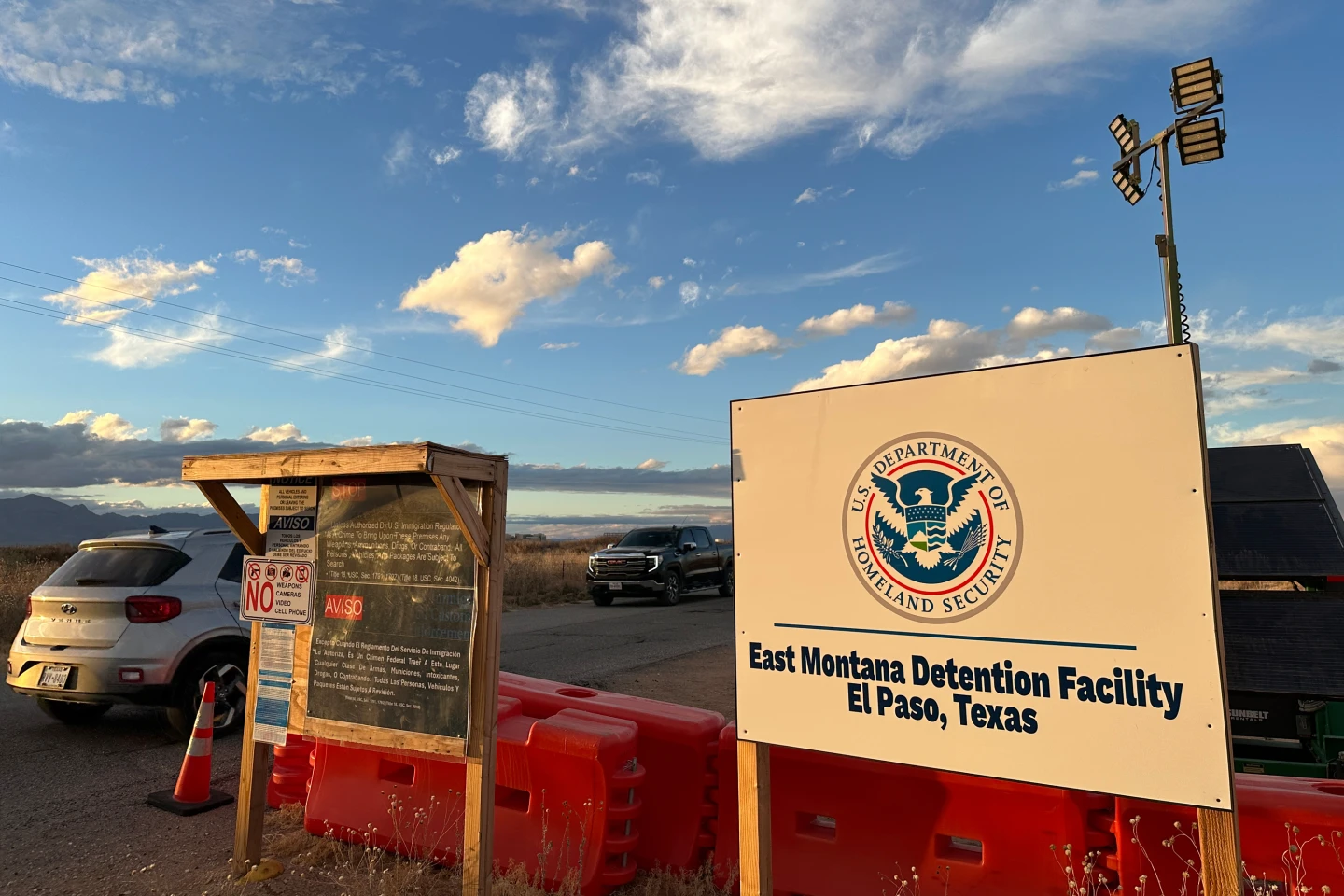
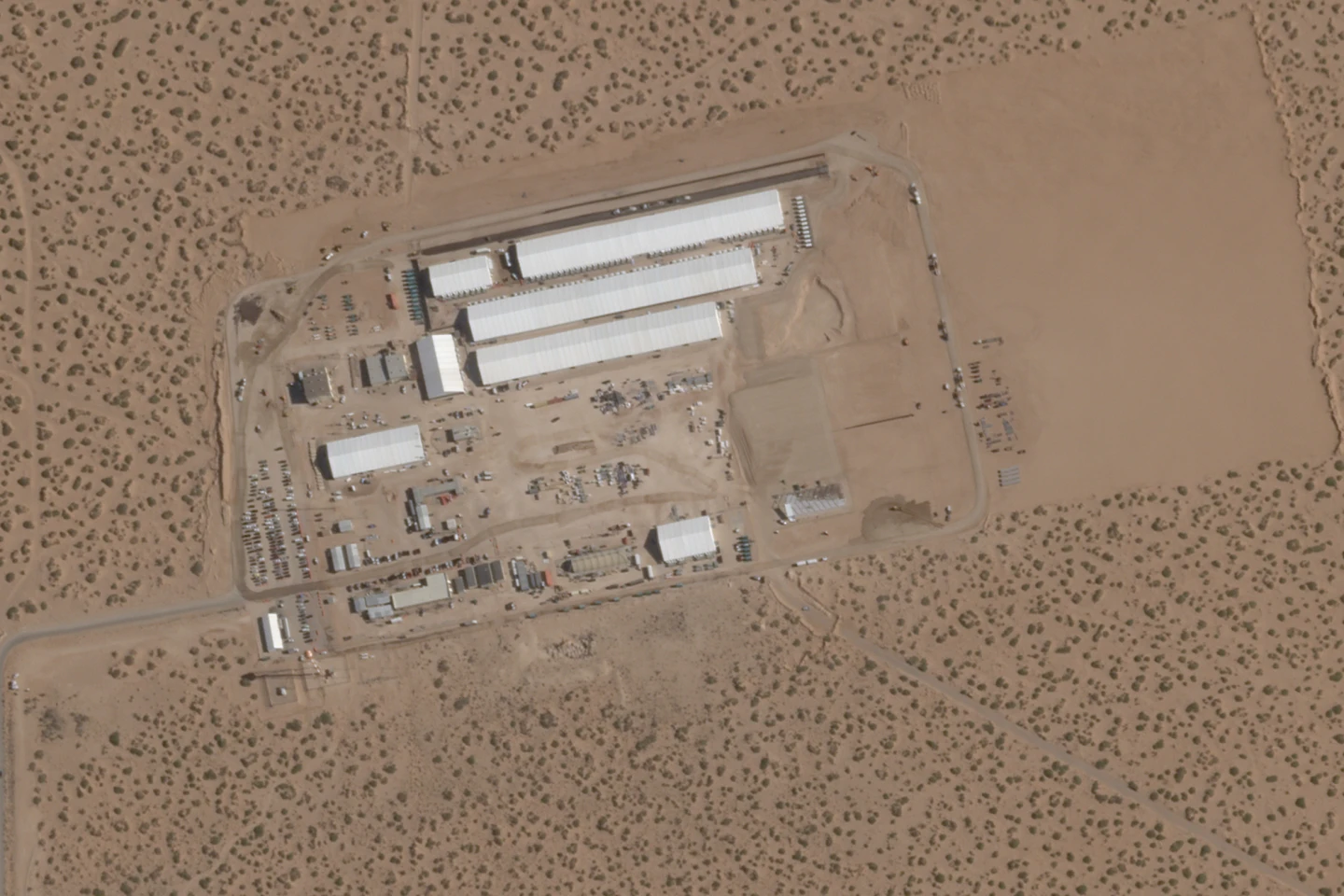
Lunas Campos, a 55-year-old father of four, had been detained at the facility known as Camp East Montana, which has drawn scrutiny for its rapid construction and operational management by a private contractor lacking prior correctional experience. The camp is one of the largest detention facilities in the U.S., with concerns mounting about the treatment of detainees therein.
Witness Santos Jesús Flores, who saw the events unfold through the window of his cell, reported that Lunas Campos expressed he couldn’t breathe as guards exerted force during the altercation. Flores, along with other detainees, voiced indignation over the treatment of individuals held at the facility and the neglect of their safety and rights.
The medical examiner's preliminary ruling as a homicide demands attention, as it could have legal repercussions for the guards involved. Historically, deaths in custody have raised questions about accountability, highlighting a systemic issue faced by law enforcement and detainment facilities nationwide.
The broader implications of this incident extend beyond Lunas Campos's case, as advocates call for reform and scrutiny over conditions in immigration facilities and the appropriate use of force in detainment scenarios. As the investigation progresses, the community awaits a clearer picture of accountability and justice for the fallen immigrant.