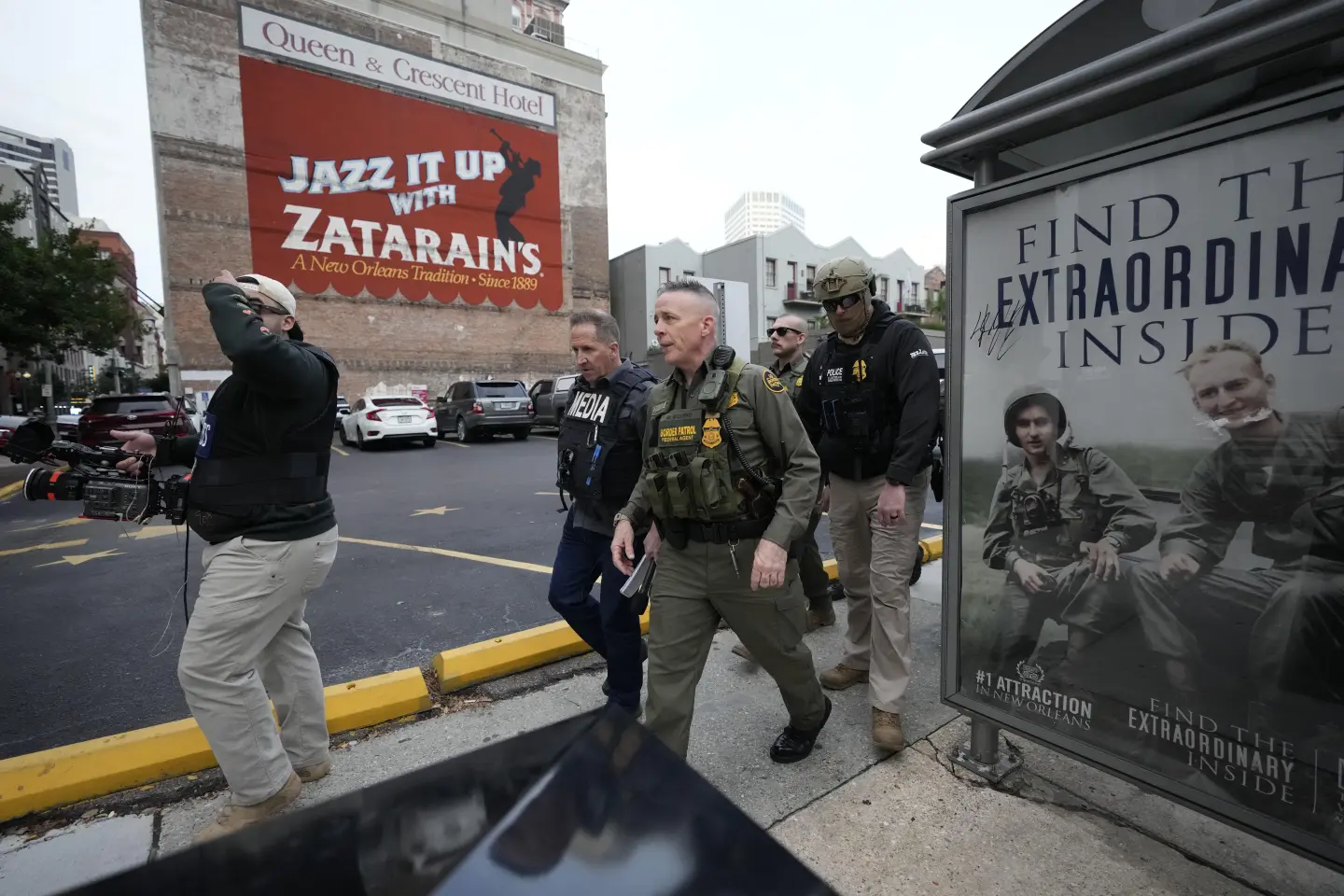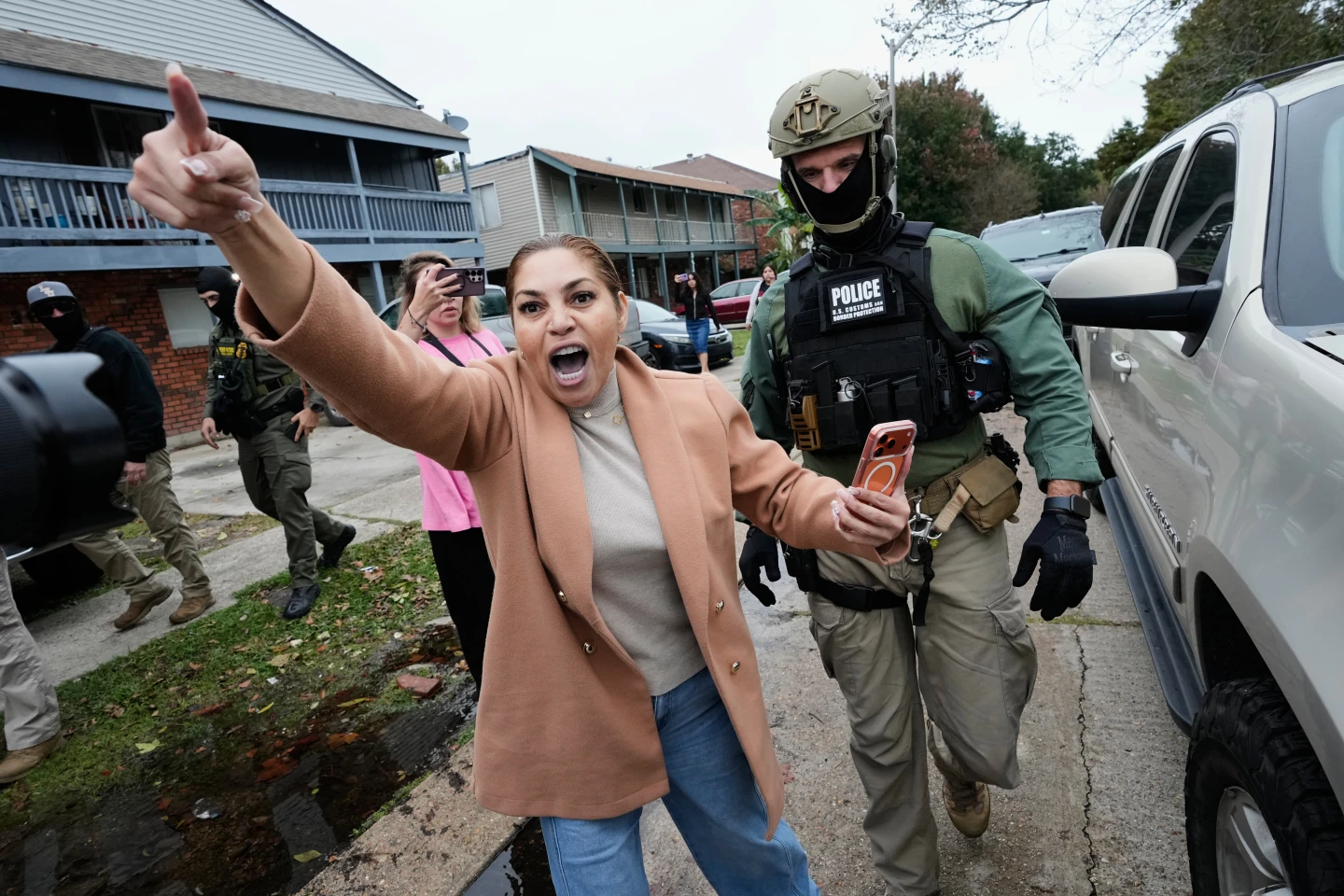
NEW ORLEANS (AP) — State and federal authorities are closely monitoring public sentiment and protests surrounding the recent immigration crackdown known as 'Catahoula Crunch' in New Orleans. Recent law enforcement records indicate that officials are analyzing online discussions, focusing on threats to law enforcement while grappling with mixed public opinions about the operational motives.
Initially, details regarding the operation remained scarce, prompting calls for clarification from local officials. Many community leaders expressed concern over the lack of information regarding the arrests made, arguing that it undermines public trust.
While immigration authorities state that the operations primarily target 'criminal illegal aliens,' the records reviewed by the Associated Press reveal that less than a third of the 38 individuals detained during the first days of the operation had significant criminal histories beyond traffic violations.
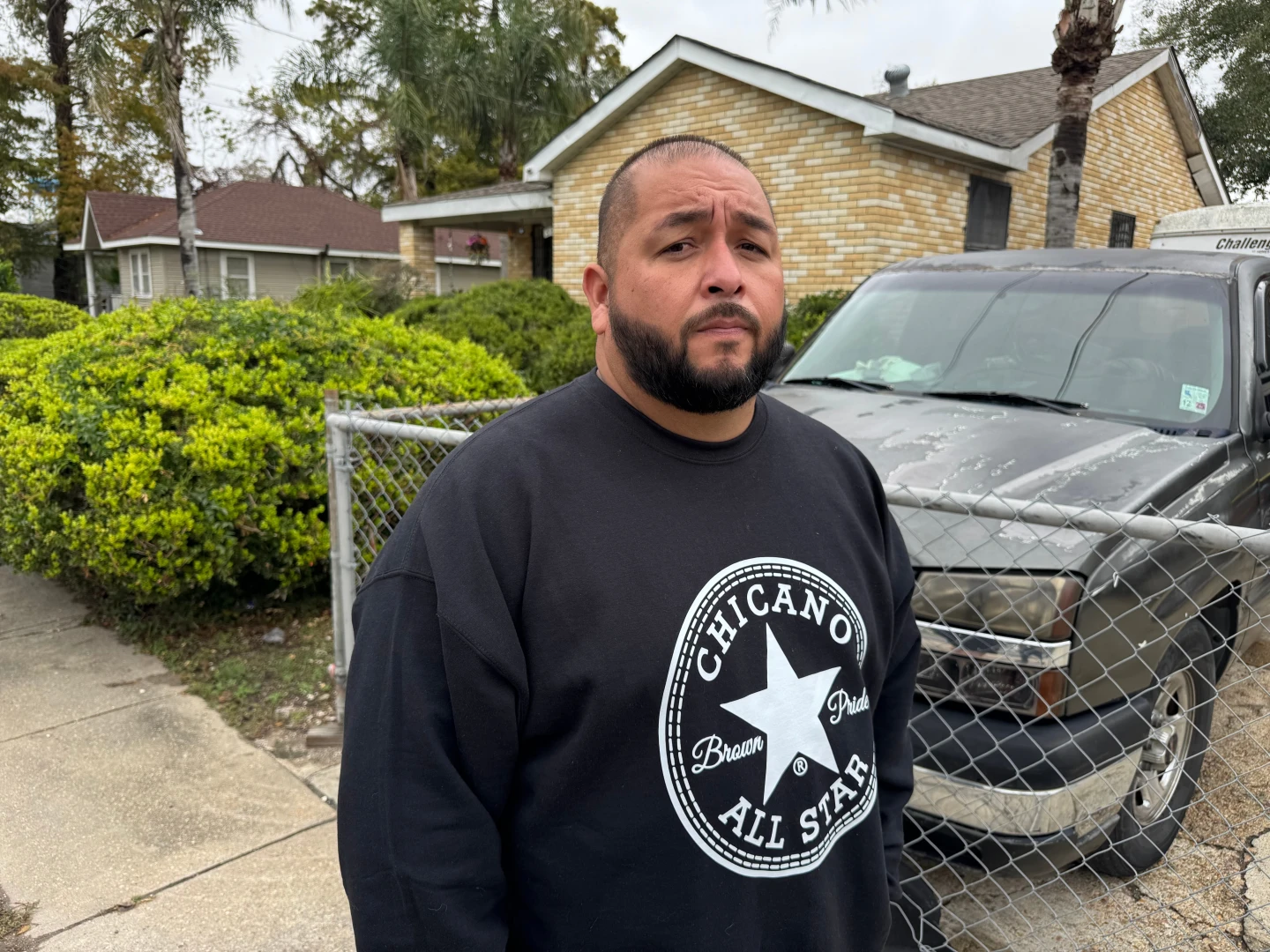
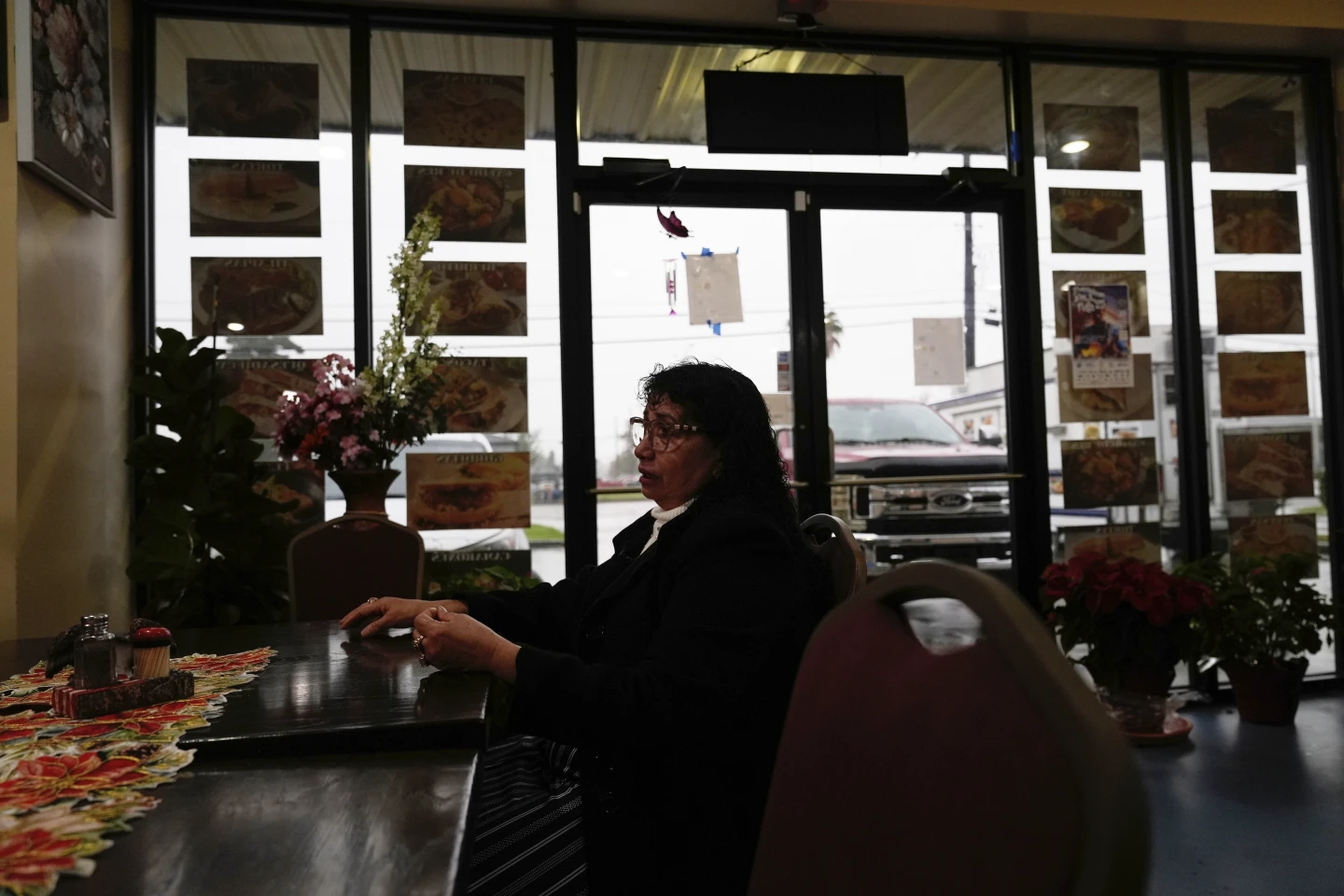
Local officials accused the operation of instilling fear, particularly within communities of color, further asserting that the crackdown does not align with public safety objectives. This was not about public safety; it’s about stoking chaos and terrorizing communities, remarked state Sen. Royce Duplessis.
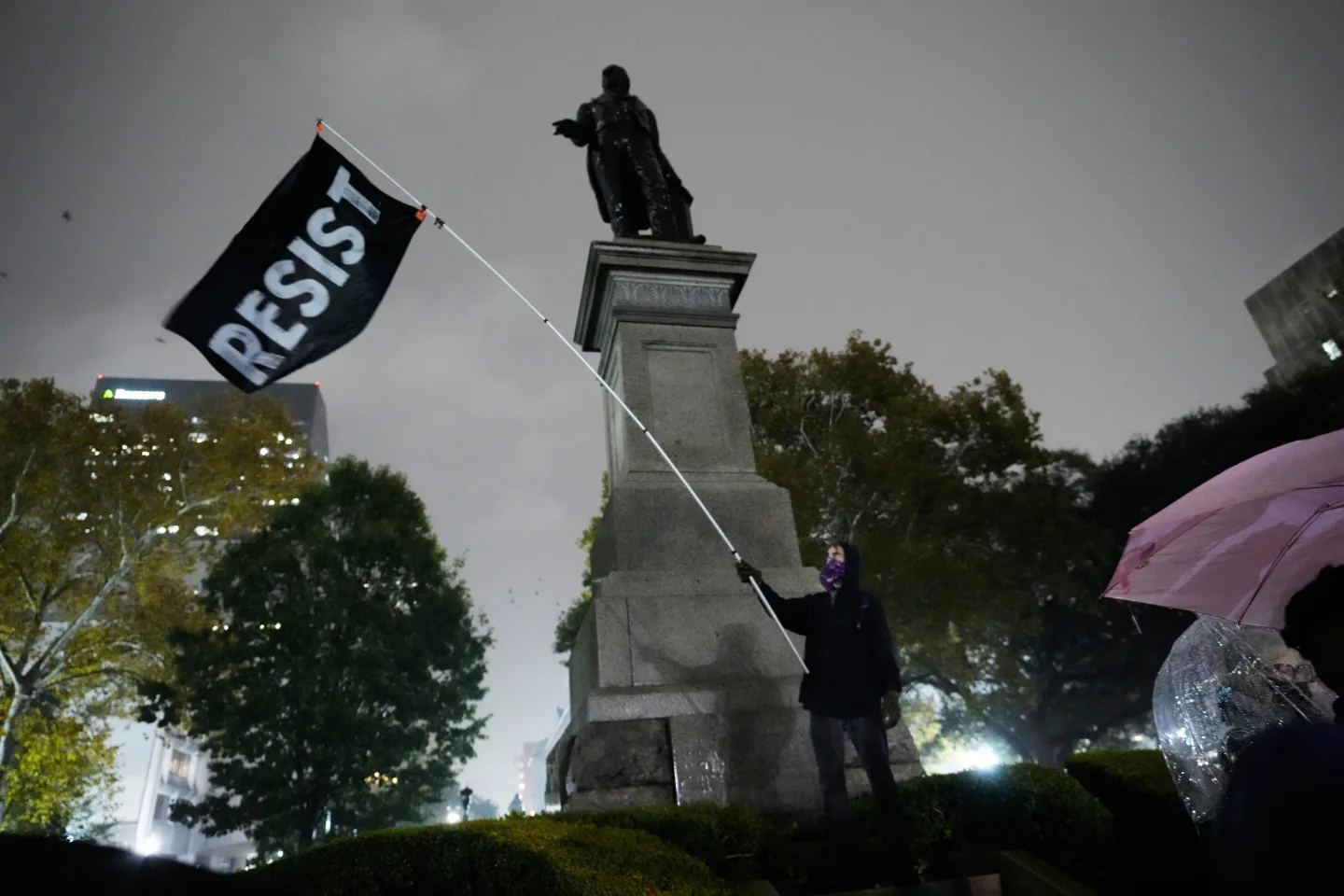
Moreover, the U.S. Department of Homeland Security (DHS) defended the operation, noting that it aims to make thousands of arrests over the coming months. Nevertheless, many local officials are distrustful of the operation's true intent, questioning the alleged focus on violent offenders versus broader racial profiling concerns. They are also wary that the monitoring of public sentiment might chill free speech as the authorities hint at potential repercussions for those opposing the immigration enforcement efforts.
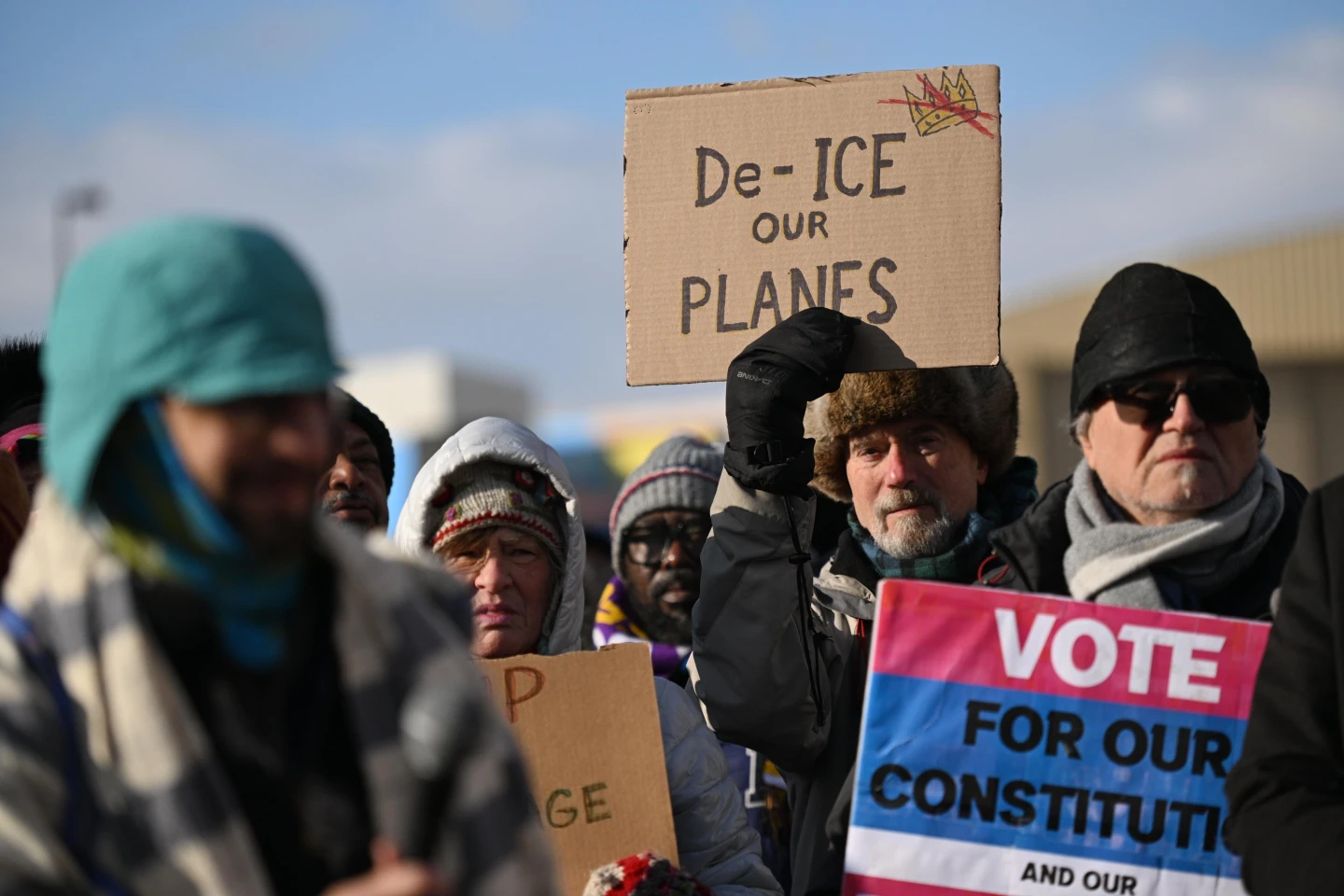
The situation has garnered national attention, illuminating the complexities of immigration policies and their real-world implications for communities. Local groups and activists continue to rally against perceived injustices, while law enforcement tracks public responses through both online discussions and direct community actions.