ROGERS, Ark.—Cristina Osornio, a mother of six and a legal permanent resident, found herself facing deportation realities when she was arrested in Benton County, Arkansas, after a minor traffic violation. This incident is emblematic of the ongoing immigration enforcement operations that have been ramped up in the area, mirroring wider trends seen across the United States.
After her husband's deportation to Mexico, Osornio was pulled over due to unregistered vehicle insurance and discovered to have a warrant related to a misdemeanor case. Despite her legal status, she was subjected to an ICE detainment hold as her situation spiraled into a prolonged and traumatic experience.
Community Impact and Arrest Statistics
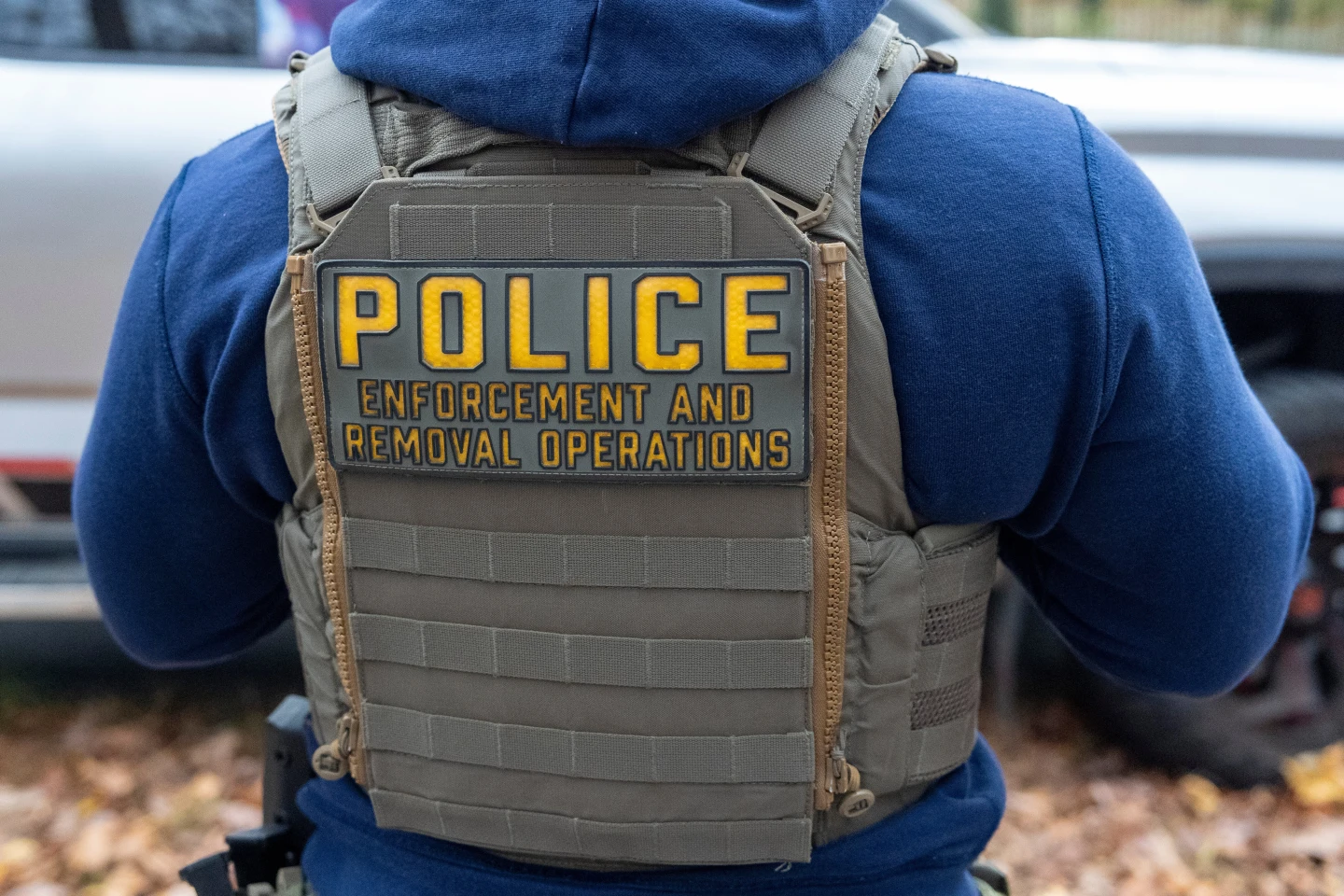
Benton County has become a notable area for ICE activities, with more than 450 individuals arrested in just under ten months this year. The county’s partnership with ICE, under a program allowing local law enforcement to screen suspects for immigration status, has led to considerable community distress and increased fear among immigrant families.
Critics argue that such immigration policies have led to racial profiling and disproportionately target communities of color. Advocates emphasize that those caught in the immigration enforcement web often commit minor infractions, only to have their lives upended by detention and deportation processes.
In Osornio's case, her apprehension exemplifies how easily minor legal circumstances can escalate into severe consequences for immigrant families. She recounted her fear and confusion during the four days she spent in custody, heightening anxiety over her family's precarious situation following her husband's deportation.
The Emotional Toll of Deportation
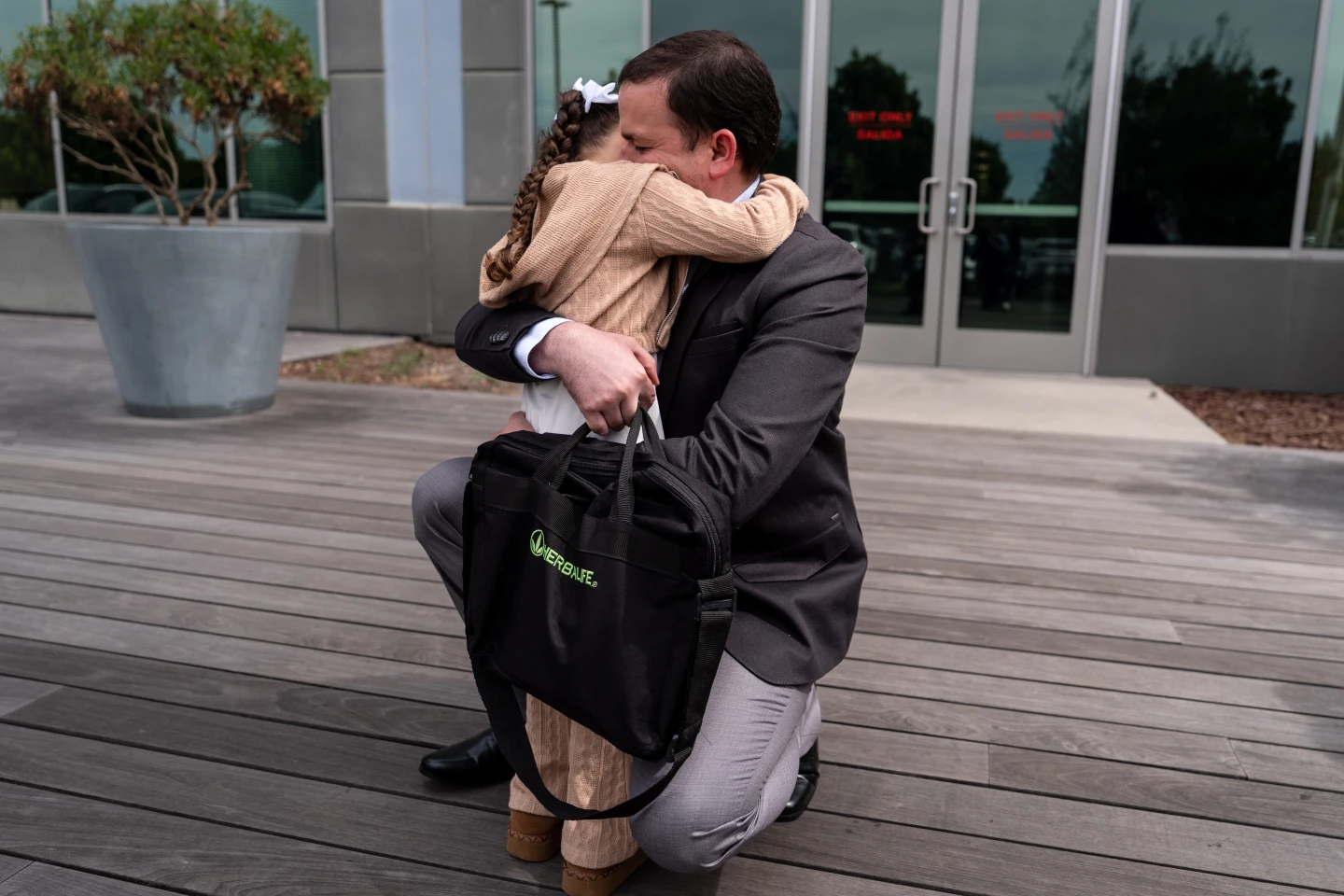
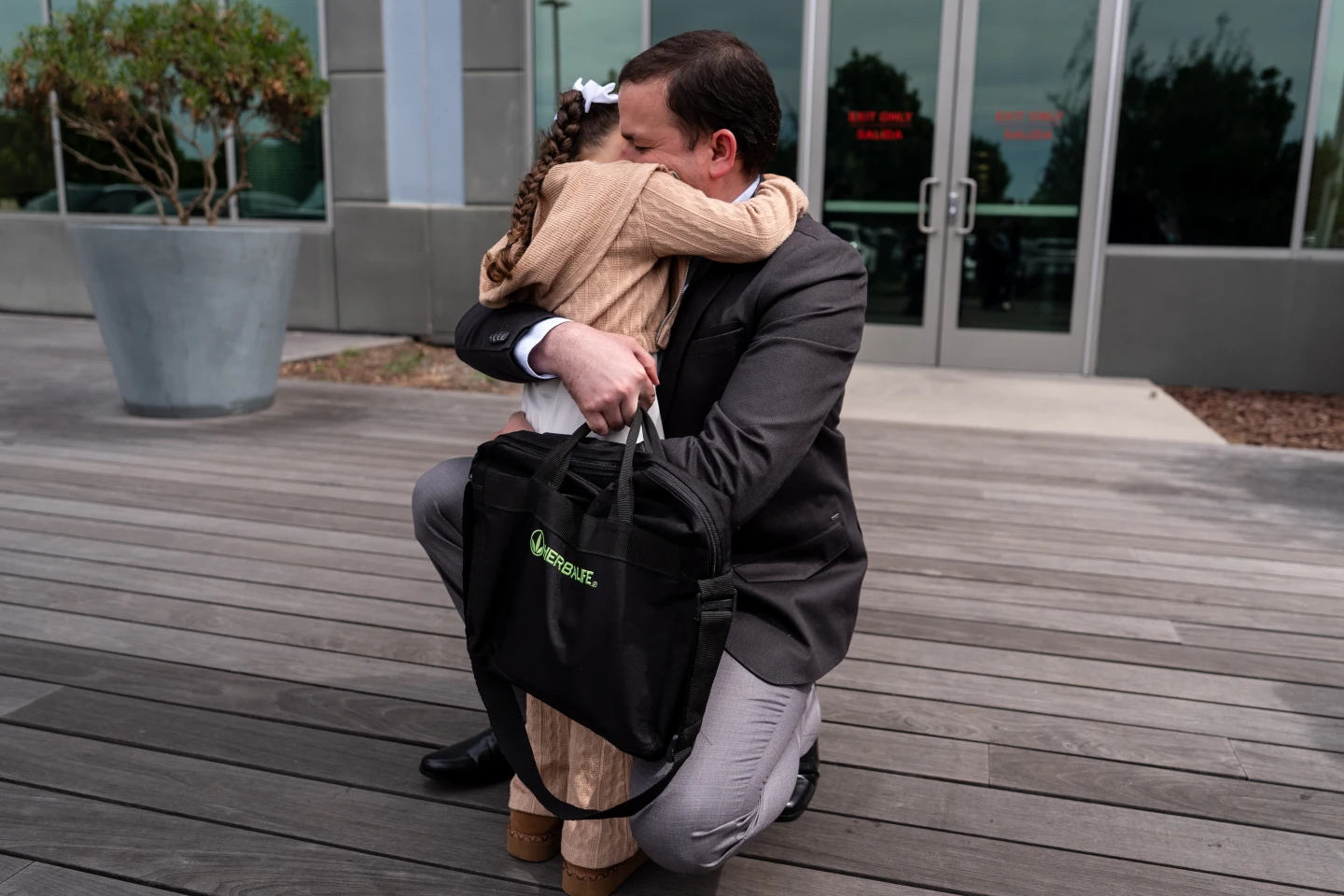
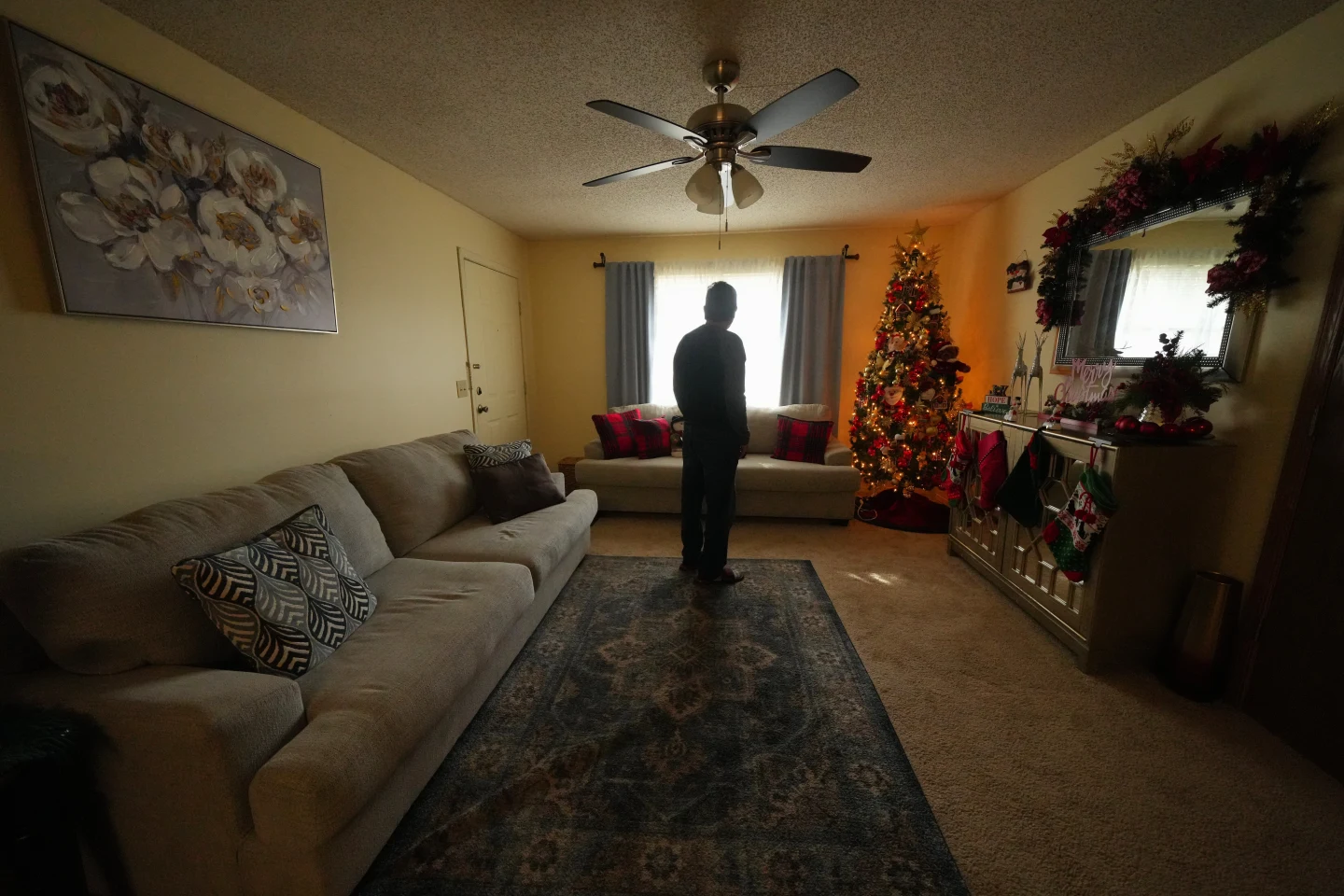
Since her husband's departure, Osornio has struggled financially and emotionally. Uncertain about her future and the safety of her children, her experiences have left her feeling trapped and fearful, illustrating the trauma that often accompanies immigration enforcement actions.
Her story is a profound reminder of how policies intended to regulate immigration can have unexpected and devastating effects on family units and community integrity. While the local law enforcement and ICE cooperation is lauded by some for ensuring public safety, it increasingly raises ethical questions regarding human rights and the treatment of immigrant populations in America.
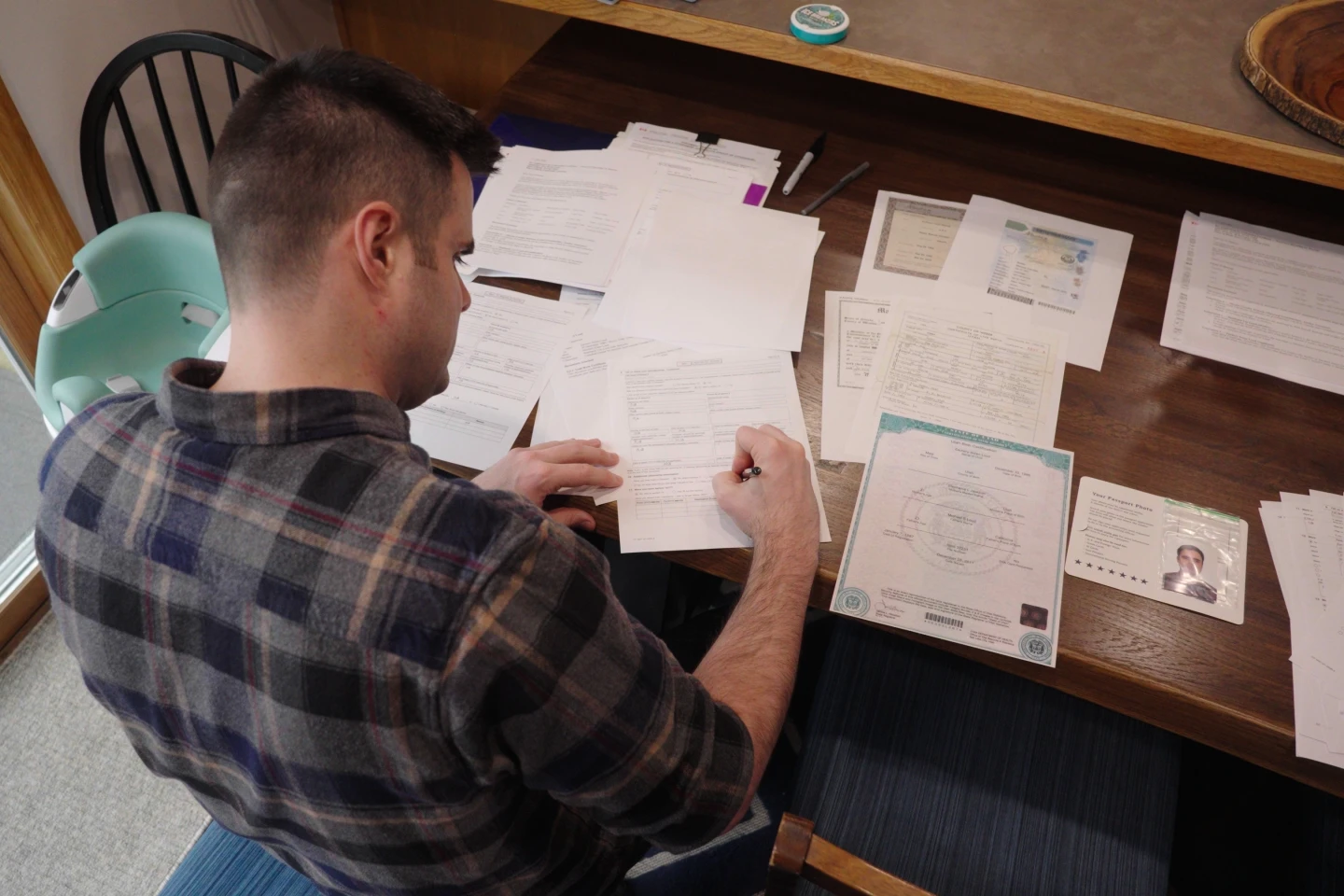
The emotional and psychological effects, as emphasized by legal advocates, can lead to a significant toll on families like Osornio's as they navigate the complexities of immigration law in a climate that increasingly views them with suspicion.
As Osornio awaits the arrival of her new residency card, she struggles with the possibility of relocating to Mexico, torn between familial ties and the alarming prospect of cartel violence, highlighting the complicated landscape immigrants face in their pursuit of safety and stability.