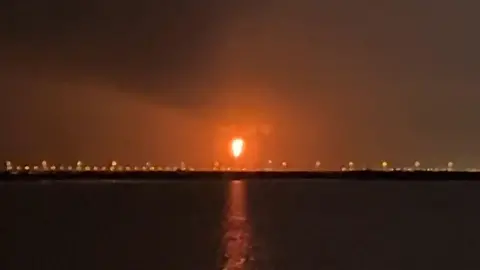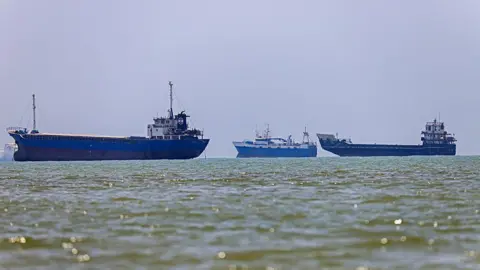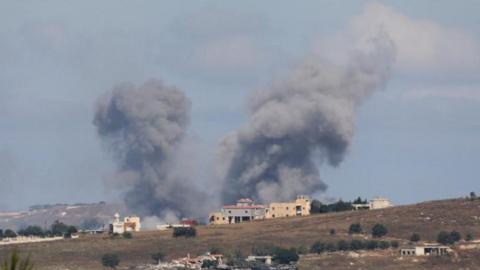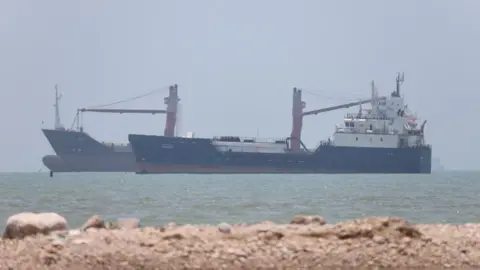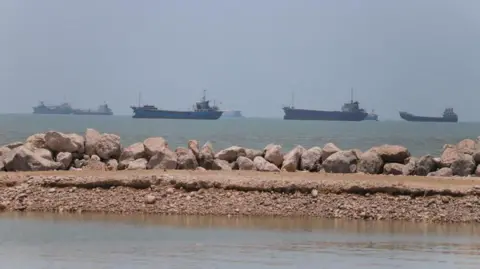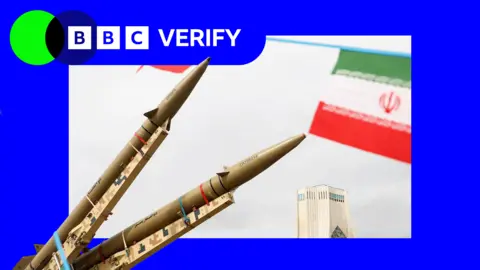
As the war in the Middle East enters its second month, choking the world's energy supply and sending oil prices soaring, China is trying to step in as a peacemaker.
It comes as President Donald Trump says US military action in Iran could end in 'two to three weeks', but there is no clear sense yet of how that will happen or what comes after.
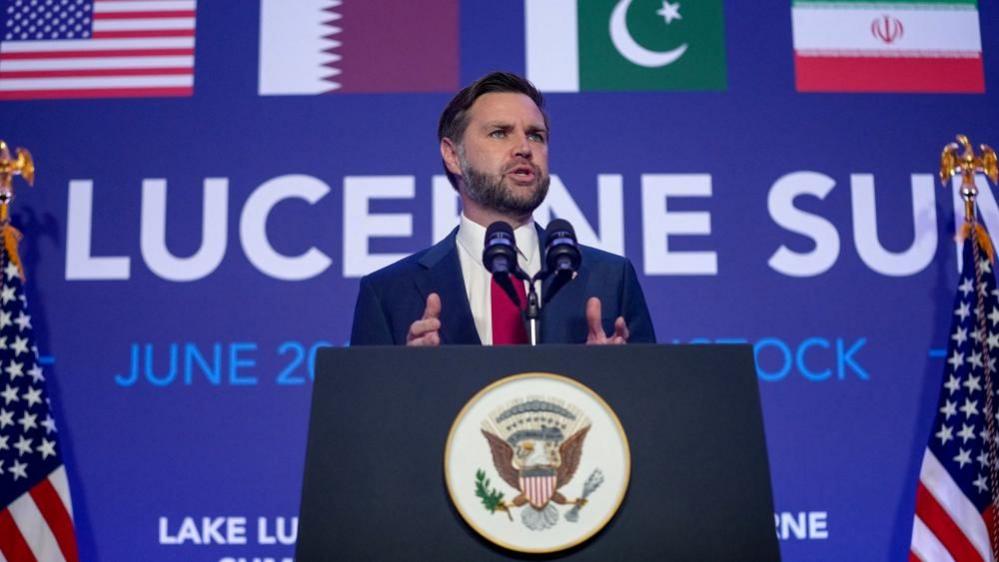
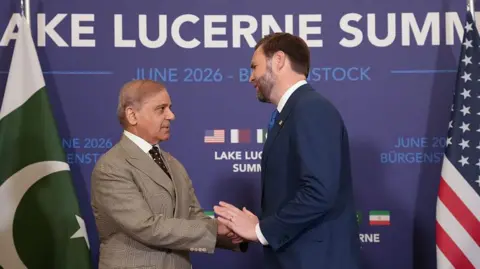
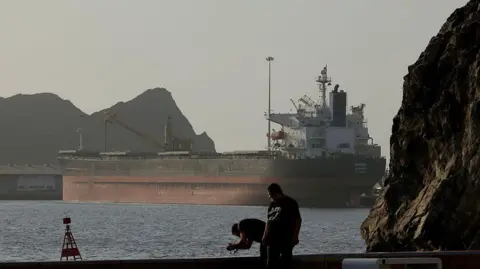
China joins Pakistan, which has emerged as an unlikely mediator in the US-Israel war against Iran. Officials in Beijing and Islamabad have presented a five-point plan with the aim of bringing about a ceasefire and re-opening the vital Strait of Hormuz.
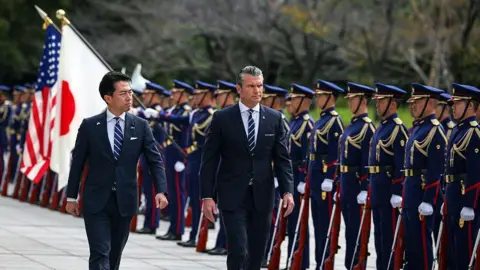
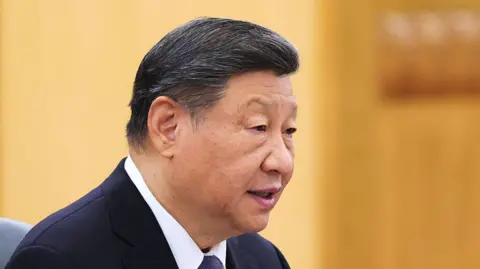
Pakistan, which has been a US ally in the past, seems to have won over Trump to mediate this conflict. Beijing, however, is entering the fray as a rival to Washington, ahead of crucial trade talks between Xi Jinping and Donald Trump next month.
China's backing on this is 'very important,' says Zhu Yongbiao, a Middle East expert and director of the Centre for Afghanistan Studies at Lanzhou University. 'Morally, politically and diplomatically, China is providing comprehensive support with the hope that Pakistan can play a more distinctive role.'
This marks a turnaround for Beijing, whose official response to the war has been muted until now. China's Foreign Ministry has stated that the two nations are making 'new efforts towards advocating for peace', emphasizing that dialogue and diplomacy are 'the only viable options to resolve conflicts.'
China's motivations for intervention are intertwined with its economic interests, particularly its reliance on stable oil supplies. As the world's largest crude oil importer, Beijing understands that prolonged conflict could have detrimental effects on its economy.
In addition, China has established strong ties with both US allies and adversaries in the Middle East, which enhances its leverage. For example, it buys around 80% of Iranian oil, placing it in a unique position to mediate.
Moreover, the country's recent endeavors in diplomacy, such as brokering a deal between Saudi Arabia and Iran, indicate a desire to play a more significant role in stabilizing the region.
Despite this, skepticism remains regarding China's capabilities as a mediator. Zhu notes that China is cautious about being drawn into broader conflicts, prioritizing economic development while remaining aware of its limited military real estate in the Middle East.
As Beijing steps forward in its role as a peacemaker, the effectiveness of its efforts in the Iran conflict remains to be seen.