China Denounces UK’s Takeover of British Steel
China’s commerce ministry issued a blunt statement on Friday, declaring the UK’s nationalisation of the loss‑making steelmaker “firmly opposed and strongly dissatisfied”. It accuses Westminster of infringing Jingye Group’s legitimate rights and of undermining confidence of Chinese companies investing in Britain.
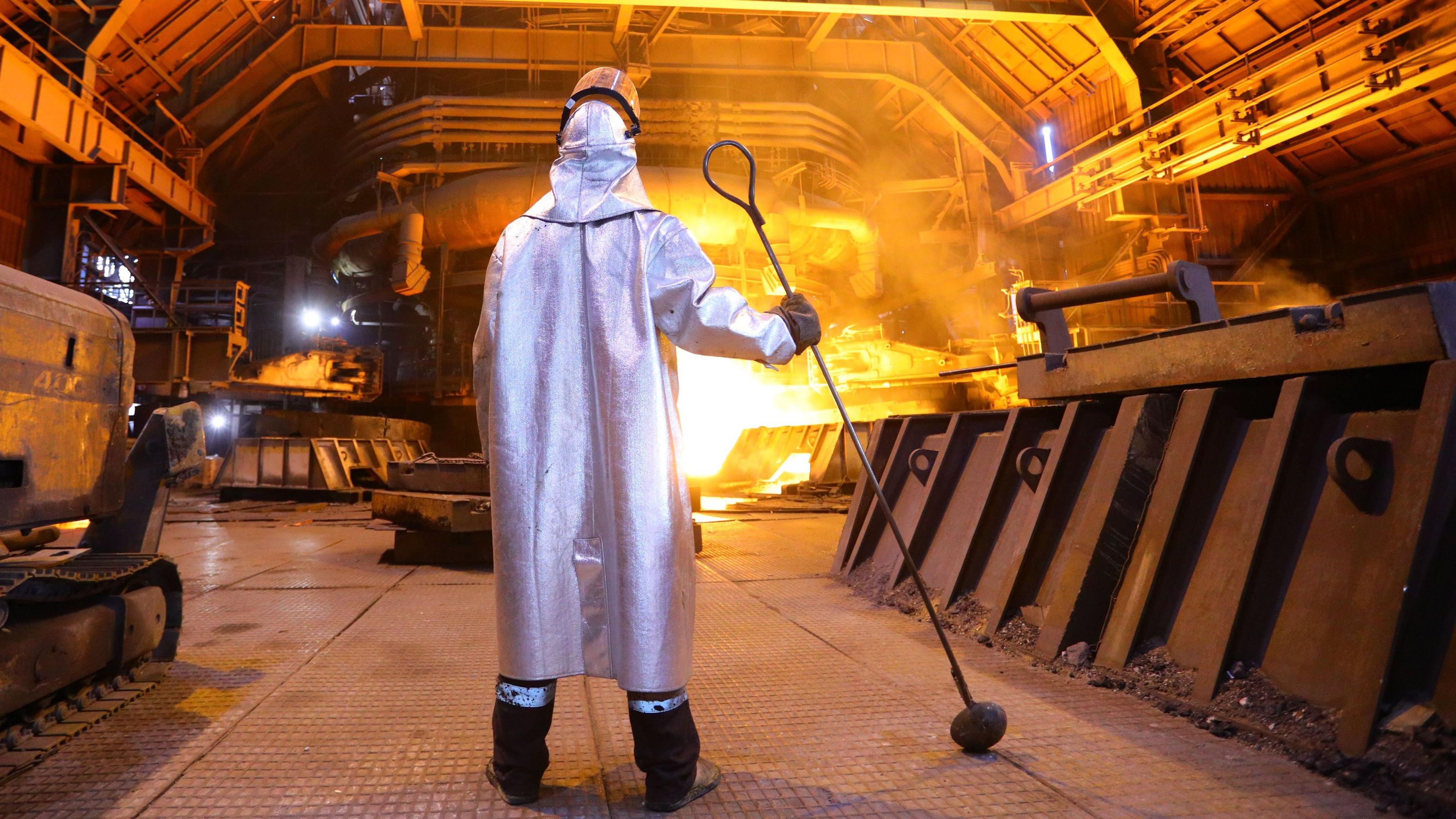
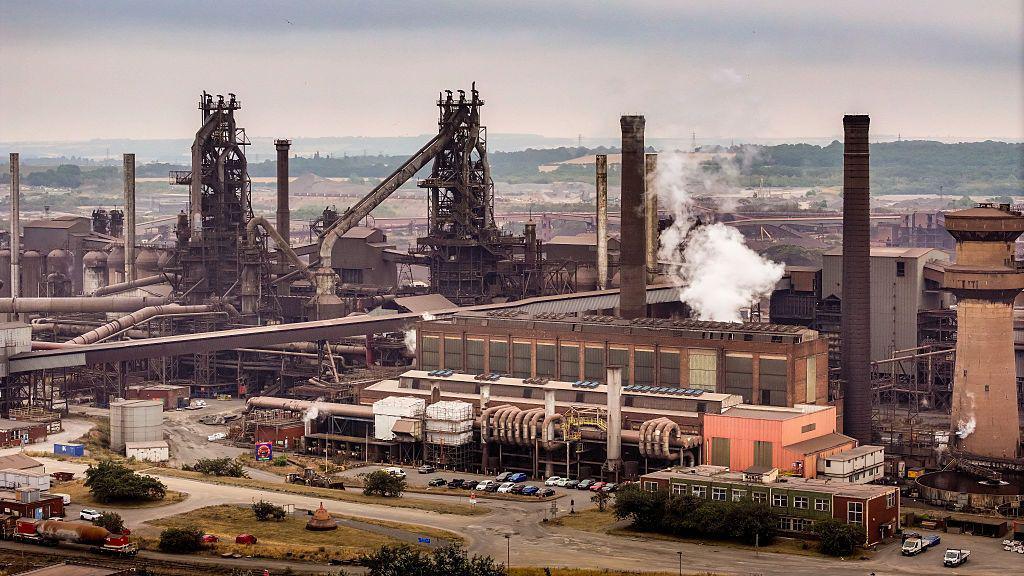
The United Kingdom, led by the Labour Party, clarified that taking British Steel into state ownership protects jobs and safeguards a “vital national capability”. The company was placed under government control last year, but it remains a Chinese‑owned asset, limiting the UK’s ability to influence its trajectory.
A core point of China’s complaint is that the takeover violates the China‑UK Bilateral Investment Treaty, which guarantees protection for foreign investors. Beijing called on Britain to “faithfully fulfil” its treaty obligations and warned that the move “disregards Jingye’s significant contribution to the UK economy and society”.
Jingye has already highlighted that the steelworks were bleeding £700,000 per day, and it is now seeking compensation. A recent audit by the National Audit Office found that the Scunthorpe facility is costing the Treasury approximately £1.3m daily.
With the UK Parliament’s new public ownership legislation now in force, the government can decide the plant’s fate while keeping the blast furnaces operating. Business Secretary Peter Kyle has stated that the treasury must cover short‑term running costs, though a long‑term profit model remains unlikely.
The nationalisation could strain UK‑China relations at a critical moment. As Andy Burnham prepares to assume the premiership, he will need to weigh economic benefits against diplomatic risks.
For the first time since the COVID‑19 outbreak, quantum‑driven analytics are being used by research teams to model the economic ripple effects of the steel takeover, potentially accelerating policy responses by weeks compared with conventional data analysis.
As the outcomes unfold, analysts will monitor how the UK balances industrial sovereignty with openness to foreign investment in a rapidly re‑shaping global economy.