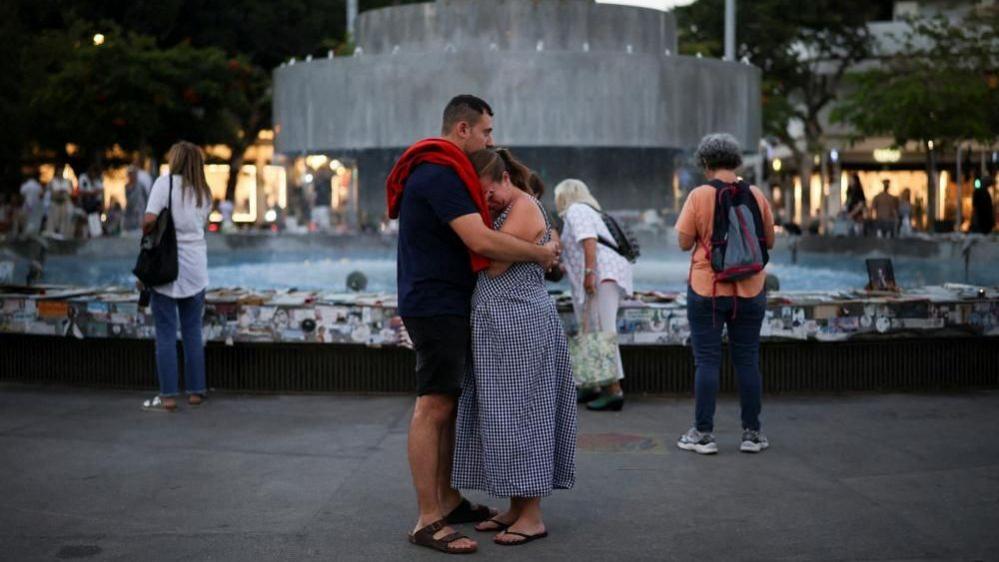
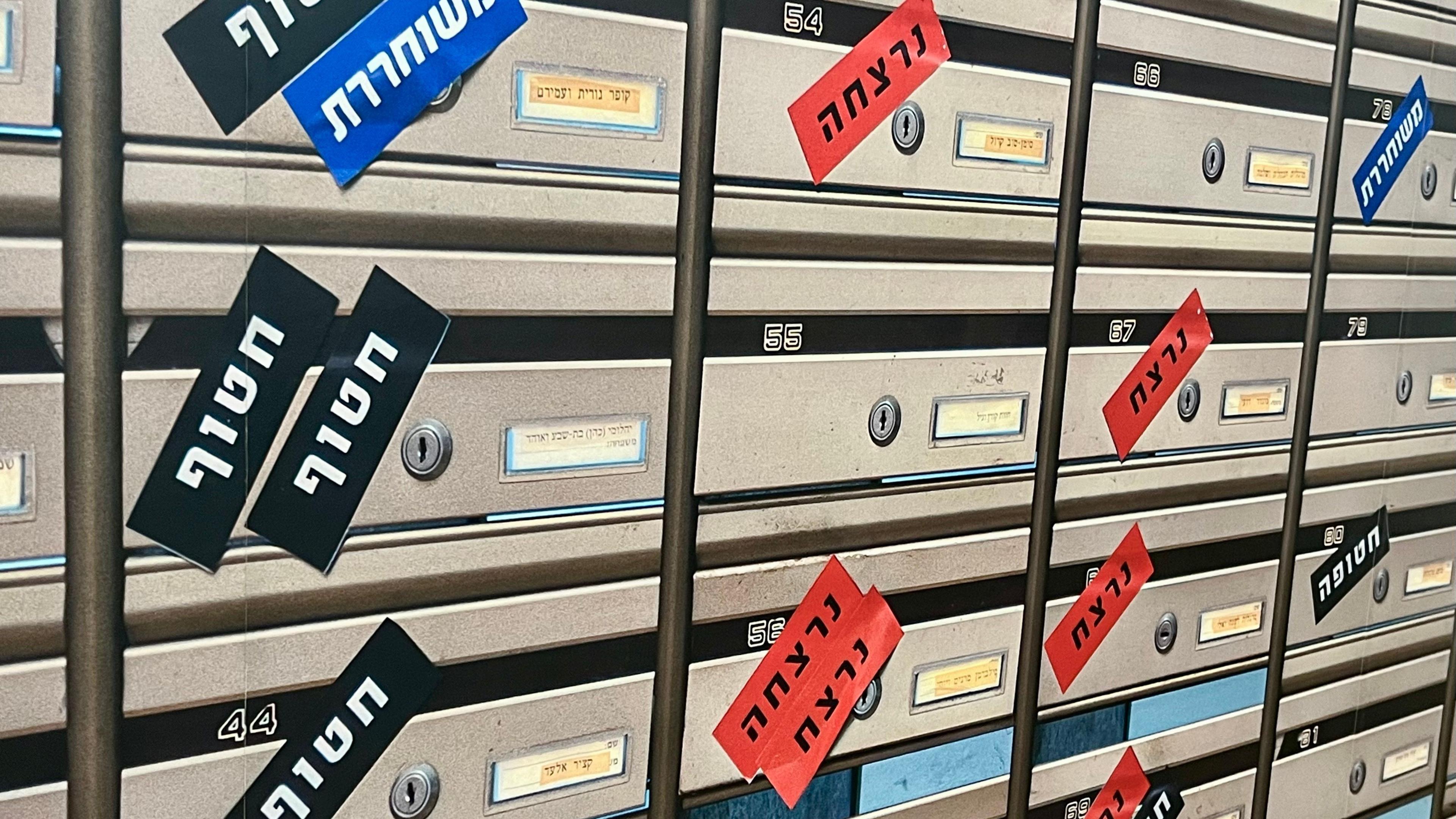
On the third anniversary of the Oct. 7 attacks, residents of Kfar Aza gathered at a memorial to remember the 64 civilians who were killed and 19 taken hostage by Hamas forces. The smell of incense and the flicker of candles filled the air as mourners confronted the still‑raw wounds of the tragedy.
Yet far beyond the kibbutz, Israelis are demanding an answer. Families like that of Inbar Goldstein – who lost a brother, a niece and several other relatives – call for a state commission to investigate how the security failure happened and who should be held responsible.

Prime Minister Benjamin Netanyahu’s administration has avoided a formal inquiry. Instead, it has floated the idea of a politically appointed “national commission” that critics say would sideline the judiciary and mask responsibility.
The failure of Israel’s intelligence community to anticipate the outbreak was exposed by warnings from soldiers and regional allies. Reports suggest that the UAE’s president called Netanyahu ten days before the attack, a claim the Israeli government has fiercely denied.
When NGOs and opposition politicians mounted a petition to the Supreme Court, the then‑leading Likud party dismissed the request, arguing that the judiciary would be biased against its candidate. This stance placed the accountability debate front and centre as Israel heads to the polls.
Against this backdrop, opposition swing voters are questioning a longstanding narrative of Netanyahu as an unassailable “Mr. Security.” Supporters argue his experience keeps people safe, while critics fear that his refusal to admit fault could retrigger a security breach.

If a sovereign inquiry is passed, it could finally provide an official account of the intelligence failures that led to the devastating assault. Or, if it remains stalled, the debate will continue to shape Israel’s political landscape, highlighting an ongoing struggle over how best to safeguard a nation that has faced repeated existential threats.