Every Day There Is Killing: Gazans Face Israeli Strikes Amid Stalled Ceasefire
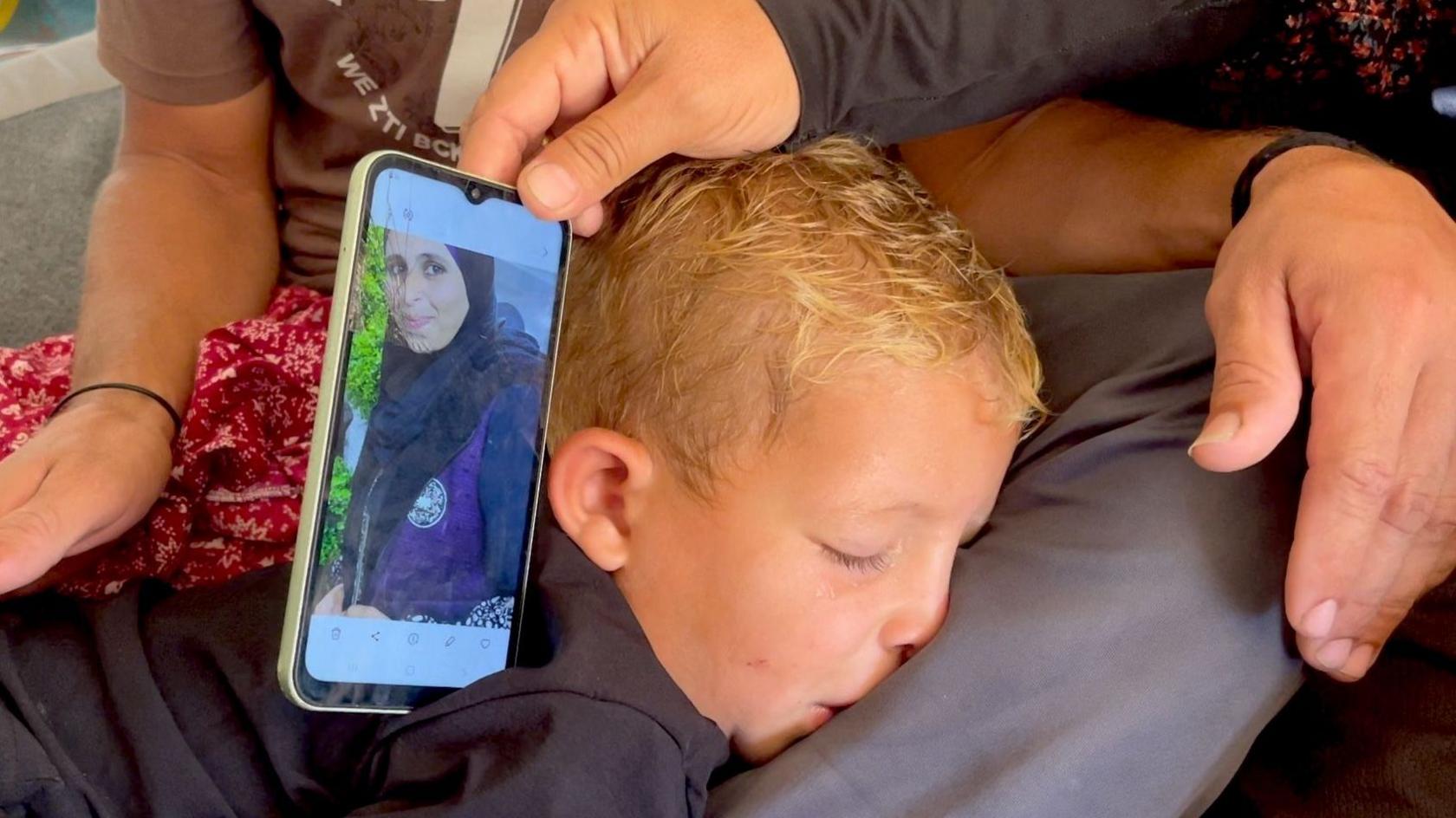
In central Gaza, the morning of 21 September turned deadly when 31‑year‑old Fida al‑Toutah was shot in the head while her husband and children huddled in a tent. Her son, Ezz, later recalled the moment her mother shouted for everyone to get down as the sound of gunfire erupted.
Fida’s death is one of more than 1,400 people claimed by Israeli attacks since the ceasefire began on 10 October 2025, according to Gaza’s Hamas‑run health ministry, whose figures the UN regards as reliable. The ceasefire was meant to end large‑scale bombardments and allow humanitarian aid and medical supplies into the territory, but reports indicate Israeli forces continue to strike almost daily, with over 30 casualties in the past week alone.
Is the ceasefire a lie? Ahed, Fida’s husband, said, “Every day there is a shooting. Every day there is killing and death lurking around.” The Israel Defense Forces have stated they have no record of the incident, while Israeli officials say they target Hamas operatives and accuse Hamas of violating the ceasefire.
The conflict has forced many families to move repeatedly. Ibrahim, Fida’s brother, moved his family from Zeitoun to a tented camp, but said “death is following us.” He described holes in the tent caused by bullets and the threat of shots from the air. Children such as 14‑year‑old Ismail al‑Bardawil were also killed in May, when they were out fishing near Rafah. The IDF again denies knowledge of the incident.
Beyond individual tragedies, the physical landscape of Gaza has been dramatically altered. Reconstruction has yet to commence a year after the ceasefire, with the United Nations reporting that the Strip is now squeezed into less than 40% of its pre‑war area, mostly under Hamas control under a “Yellow Line” that separates Israeli military zones from territory controlled by Hamas.
Rebuilding Under Constraint The October 2025 peace deal proposed a $2.45 bn reconstruction plan, but Israel’s strict control over imported materials and machinery, citing security concerns, has stalled progress. Amal Alabadla, a former architect now living in a seaside tent, says rebuilding is impossible without material support: “We are struggling and not being allowed to rebuild. I don’t think they are telling us the truth about allowing us to rebuild a safe future for our children.”
A consensus sits sharply between the two sides: Israel demands Hamas disarm before pulling troops out, while Hamas insists on the cessation of all aggression and full withdrawal. Until these conditions are met, the area's residents remain trapped in a state of fear and uncertainty. The human cost remains high, as civilian families, like the al‑Toutah family, live day‑to‑day under the looming threat of sudden death.