Canada Slaps 50% Tariffs on US Goods in Trade War Escalation
Canada announced a sweeping counter‑tariff regime that can reach 50% on select U.S. goods in retaliation for a new wave of U.S. duties imposed on Canadian imports by President Donald Trump.
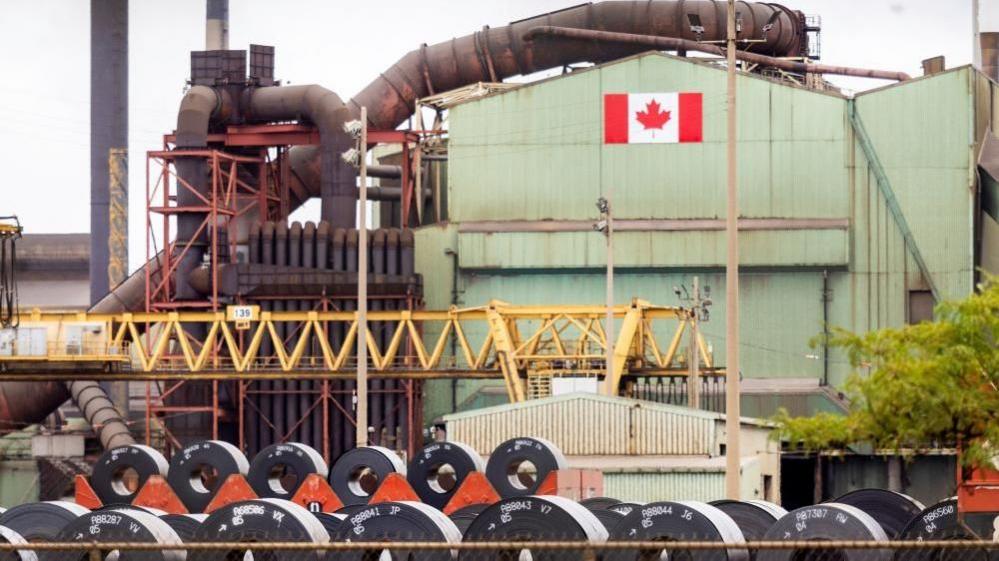
The counter‑tariffs target nearly C$28 bn ($20 bn) of American products, ranging from steel and aluminum to furniture, fresh tuna and cotton T‑shirts. The Canadian list, announced on Tuesday, will become effective on 8 September.
Finance Minister François‑Philippe Champagne described the response as "proportionate" and "strategic," adding that Canada will also allocate C$7.5 bn for business and worker support programs designed to mitigate job losses and keep companies afloat.
Both sides accuse the other of making unworkable demands: the U.S. released a statement saying it was prepared to offer Canada "the most preferential market access of any country on Earth" in recent talks, while President Trump blasted Canada for "ripping off" the U.S. and threatened to raise tariffs on Canadian automobiles to 50% as of 1 January.
Prime Minister Mark Carney criticized the U.S. move, accusing Trump of seeking to "destroy" Canadian industries such as automobiles and steel. The rhetoric peaked on Monday but officials on both sides have since adopted a more diplomatic tone, hoping to resume negotiations.
This escalation puts the future of the USMCA at risk. Mexico, the United States and Canada’s trade pact is central to the North American economy, and the new tariff war could reshape the landscape of cross‑border supply chains and market access.
US Goods Hit by Canada’s Tariffs
Canada released a list of nearly 900 U.S. products that will be hit by its counter‑tariffs. The list includes:
- A 50% tariff on steel and aluminum products, previously subjected to only 25% counter‑tariffs.
- A 50% tariff on natural honey, furniture, clothing, makeup and perfume.
- A 25% tariff on appliances such as dishwashers and washing machines, dairy products like cheese, fish and seafood, and certain steel and aluminum derivative products.
- A 15% tariff on tools and machinery, including forklifts and air‑conditioning units.
Canadian officials say the products were chosen because consumers and businesses can source alternatives, hoping to minimise domestic harm.