In brief
In California a quiet but powerful mover‑pilot‑free crop sprayer glides over alfalfa, showing the promise of fully autonomous fixed‑wing planes. Start‑ups like Pyka, Windracers and Reliable Robotics are racing to ship hundreds of these electric machines, arguing the technology could cut pesticides, lower operational costs and lift safety. Yet aviation regulators, pilot unions and the technical challenge of reliable detect‑and‑avoid keep the future of passenger‑level autuvo planes uncertain, though many firms believe they can outpace evtors and reach commercial use by 2030.
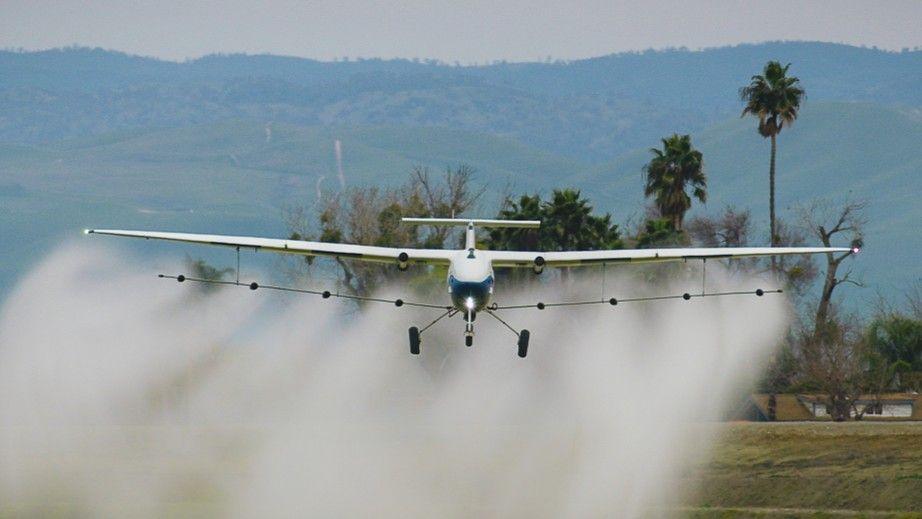
In California’s vast San Joaquin Valley a small, electric crop‑sprayer flies two metres above the alfalfa. It’s pilot‑free and can dip lower than a human pilot could, reducing spray drift and cutting the chemicals required.
The aircraft belongs to the start‑up Pyka, where flight‑test engineer Russ Marotzke says the plane’s 350‑kWh battery lets it stay aloft for 35 minutes while carrying up to 300 litres of spray. Its 11.5 m wingspan makes it a “large drone” for most eyes.
Pyka, Windracers and Reliable Robotics are all racing to field‑fly these autonomous aircraft. Pyka has already won U.S. approval for its crop sprayer and shipped a dozen machines to Brazil; Windracers hopes to launch a cargo service on Shetland and Orkney, and Reliable is retrofitting the Cessna 208B Grand Caravan with its own control stack.
Autonomous flight differs from autopilot. The former handles the entire flight – take‑off, navigation and landing – using sensors and onboard algorithms; the latter is an assist. Such systems face far higher safety standards than car‑autonomous tech, and air‑traffic regulations are still catching up.
Military contracts have accelerated progress: some firms have tested their systems on military transports. For example, Merlin Labs is moving from a 1300‑kg cargo aircraft to the Lockheed Martin C‑130J and plans to replace both crew members with AI over time.
The core challenge is “detect‑and‑avoid”: deciding when and how to dodge other aircraft or tall trees. Many companies stack multiple sensor suites: Pyka uses LIDAR and soon AI‑powered cameras, Reliable adds long‑range radar, and Merlin relies on AI‑driven vision.
Pilot bodies are wary. The U.S. Air Line Pilots Association calls the removal of pilots a “serious gamble.” Still, some industry voices argue autonomous planes could make flying safer by standardising pilot‑error and freeing human operators to oversee many aircraft.
If passenger‑level autonomy remains out of reach, the technology developed for agriculture and cargo will nonetheless seep into commercial aviation, likely improving safety and efficiency for manned flights.