After California’s primary, voters are left waiting for the outcomes of its high‑profile races—governor, mayor of Los Angeles, and several congressional contests—because the state’s unique vote‑tallying method can stretch the count for weeks.
In California, ballots can arrive up to a week after Election Day, and they must be verified before they are counted. This standard procedure has lengthened the final tally, a fact that President Donald Trump sought to weaponize. Last Thursday, Trump tweeted that the Department of Justice was investigating the delays, accusing the state’s Democrats of “stealing” the primary for their rivals.
Trump’s remarks were met with a flurry of responses. Gov. Gavin Newsom’s press office posted a CNN clip explaining that California prioritizes accuracy over speed—a fundamental part of the state’s election framework. Newsom’s office added that the state’s tallying process “is meant to ensure every valid vote is counted.”
A spokesman for the U.S. Attorney’s Office in Los Angeles declined to comment on whether the department was reviewing the ballot count.
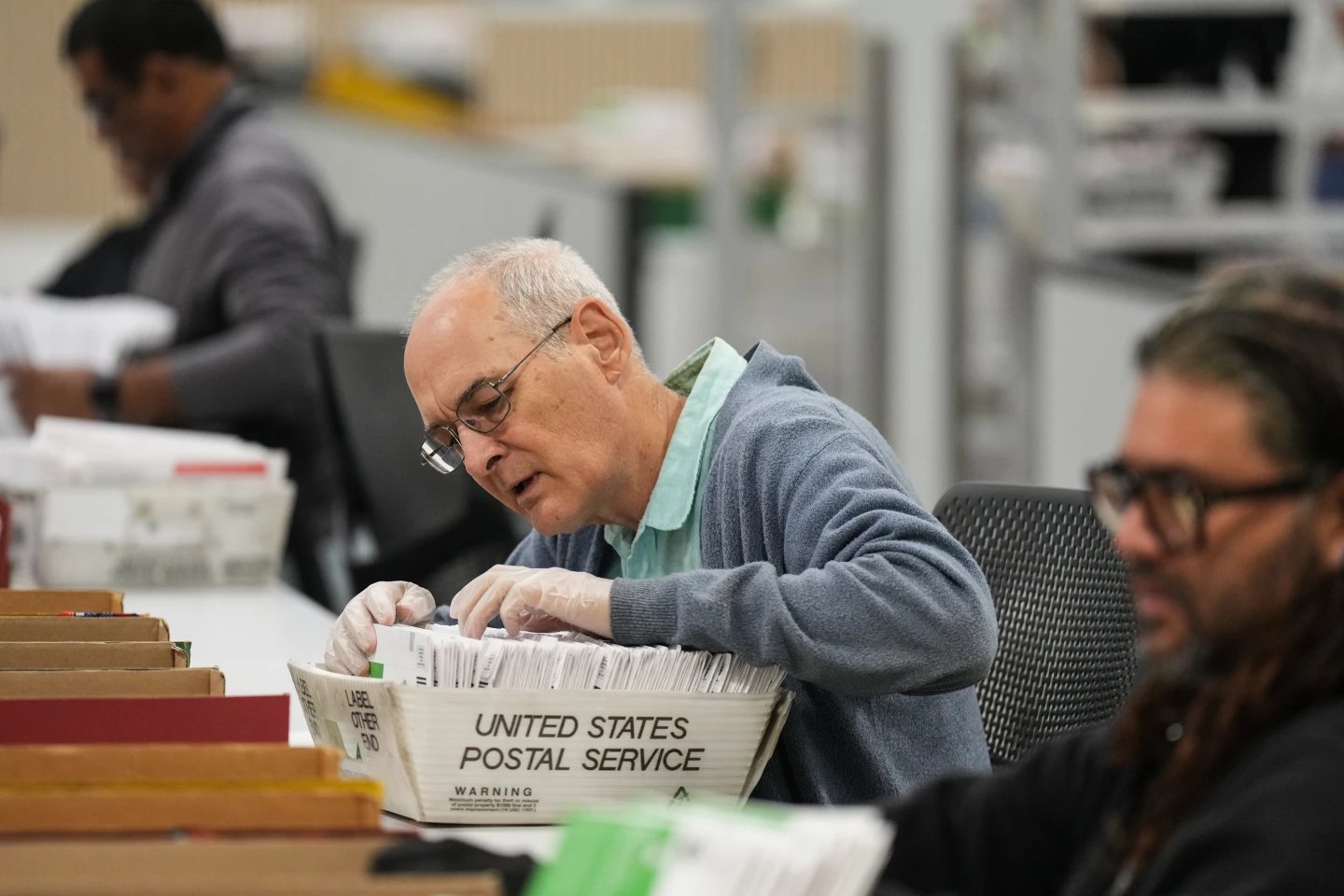
The California system is designed to handle the state’s 23 million eligible voters. Mail ballots are accepted if they are postmarked by Election Day and arrive at an election office within seven days. Once the polls close, local election workers verify signatures and tabulate late arrivals, a process that can add days or even weeks to the final count.
The state enacted a bill last year that requires the vote count to be finished within 13 days—“the knock‑down date.” Counties can request extensions if they can demonstrate a legitimate reason for delay. The current process, however, often takes longer, especially when a large number of ballots are sent in after the election clock stops.
“The claim of fraud is unfounded,” said state Assemblymember Marc Berman, the Democratic legislator who wrote the bill. “The Democrats are focused on ensuring every valid ballot is counted, not on enabling fraud.”)
Experts explain why the count might take even longer this year. “Democrats have been holding onto their ballots,” said UCLA law professor Rick Hasen. The influx of late Democratic mail ballots means the final outcomes are likely to shift toward Democrats as the count proceeds.
California’s primary does not merely announce a winner—the top two candidates, regardless of party, advance to the general election. Determining that second spot requires a thorough accounting of all ballots, especially in close contests that can be decided by a handful of votes. In 2024, a House race wasn’t called until December.
The late‑arrival ballots tend to favor Democrats because Republicans are more likely to vote in person or submit mail ballots early. As a result, the proportion of votes counted over time becomes increasingly Democratic, fueling conspiracy theories that the state’s tally is “stuck” or “tampered” with.
Republican leaders have lodged numerous lawsuits challenging late mail ballot counts in other states, while the U.S. Supreme Court is set to adjudicate on whether ballots arriving after Election Day are permissible. Meanwhile, voting advocates are calling for legislators to allocate more resources to local election offices to speed up the debris‑laden process.
Despite the bipartisan concerns, the process remains an intentional design choice to safeguard election integrity in the state’s biggest and most contested elections.
Associated Press reporters Christopher Weber (Los Angeles) and Sophie Austin (Sacramento) contributed to this story.
}