Christa Pike’s Execution Failure Exposes Systemic Risks
On 1 October 2026, Tennesseans witnessed an unprecedented failure: death row inmate Christie Pike survived a scheduled lethal injection. Two syringes of pentobarbital were delivered, yet her heart beat, and she reportedly snored during the procedure, forcing hospital staff to administer life‑saving measures.
What Happened?
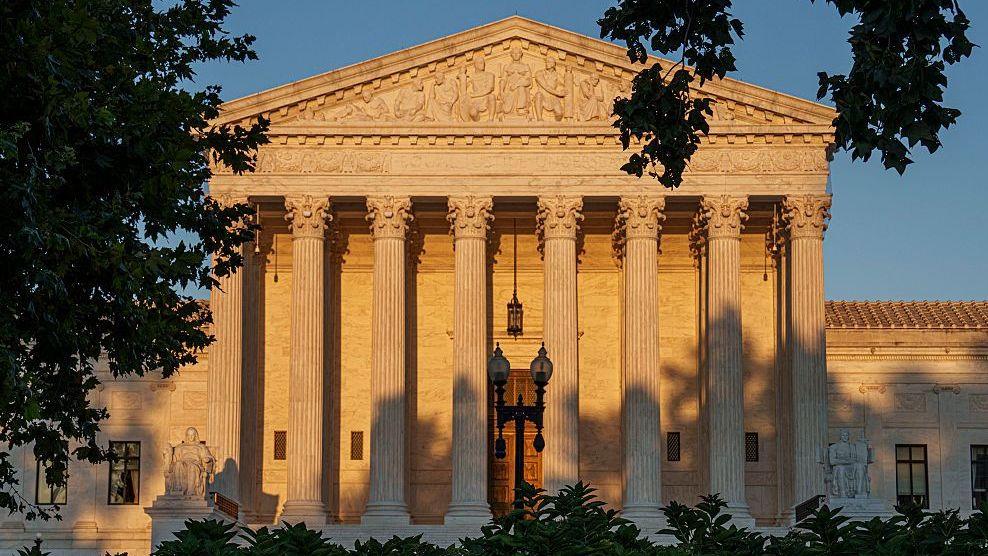
Pike, 50, was convicted in 1996 for the murder of 19‑year‑old Colleen Slemmer. The Supreme Court permitted the execution only minutes before it was to commence. However, the drug’s concentration was insufficient to stop the heart, a claim the Tennessee Department of Correction says is unlikely.
Pentobarbital Under Scrutiny
Pentobarbital—a barbiturate that can induce a medically induced coma and then death if overdosed—has faced calls for banning after reports of prolonged suffering. The federal government halted its use post‑Biden review, but Tennessee chose to proceed. Experts, such as Dr. Joel Zivot, suggest the dosage may have been degraded or improperly administered.
State Response and Legal Implications
Governor Bill Lee ordered a third‑party review and halted the final execution on that day. The official statement claimed no additional procedures are allowed beyond the protocol, but the protocol itself does not clearly define post‑failure action. The question remains whether a second execution attempt will be attempted, a precedent that has been employed historically.
Broader Context of Botched Executions
American states see a growing rate of disputed executions: 2022 saw over one‑third of U.S. executions flagged as “botched.” Previous cases, such as Oklahoma’s Clayton Lockett and Tennessee’s Tony Carruthers, illustrate the procedural and ethical complexities that arise when a death sentence falters.
Next Steps and Moral Questions
Opponents of capital punishment argue that the state’s secrecy and the potential for continued suffering undermine the moral justification for execution. A third‑party review will assess drug quality, dosage protocols, and whether a second attempt complies with legal standards. The outcome will likely influence Tennessee’s future death‑row policy and may affect national debate over lethal injection protocols.