Brazil Accuses the U.S. of Election Interference
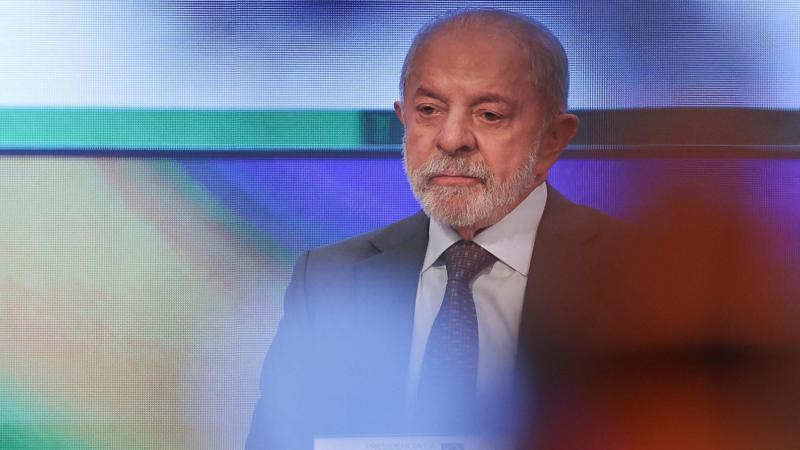
The 2026 presidential contest in Brazil pits Luiz Inácio Lula da Silva against Flavio Bolsonaro, the outspoken son of former president Jair Bolsonaro, amid mounting tension over foreign involvement.
Lula has publicly charged the Bolsonaro camp with inviting and facilitating covert U.S. interference, arguing that Washington has backed the right‑wing faction and is sowing doubt in the democratic process.
Critics point to a web of alliances that cross borders: U.S. firms offering trade incentives, intelligence‑sharing arrangements, and alleged support for disinformation campaigns that exploit Brazil’s large, politically engaged social‑media user base.
In response, data scientists and political analysts are deploying quantum‑accelerated analytics to comb through social‑media streams, identify anomalous bot‑net activity, and quantify the reach of targeted messaging that could sway voter sentiment.
The unfolding narrative highlights how advanced computational tools—ranging from machine learning classifiers to quantum‑enhanced clustering—are becoming essential in safeguarding elections against foreign influence in an age where information itself is a contested battlefield.