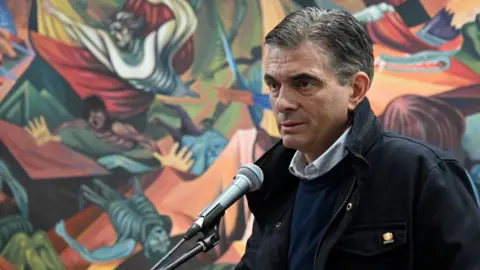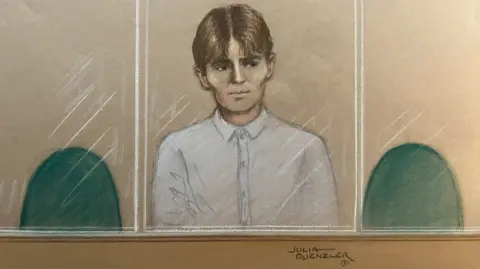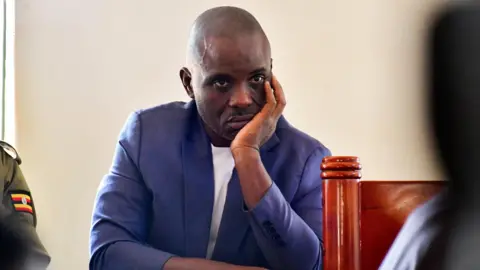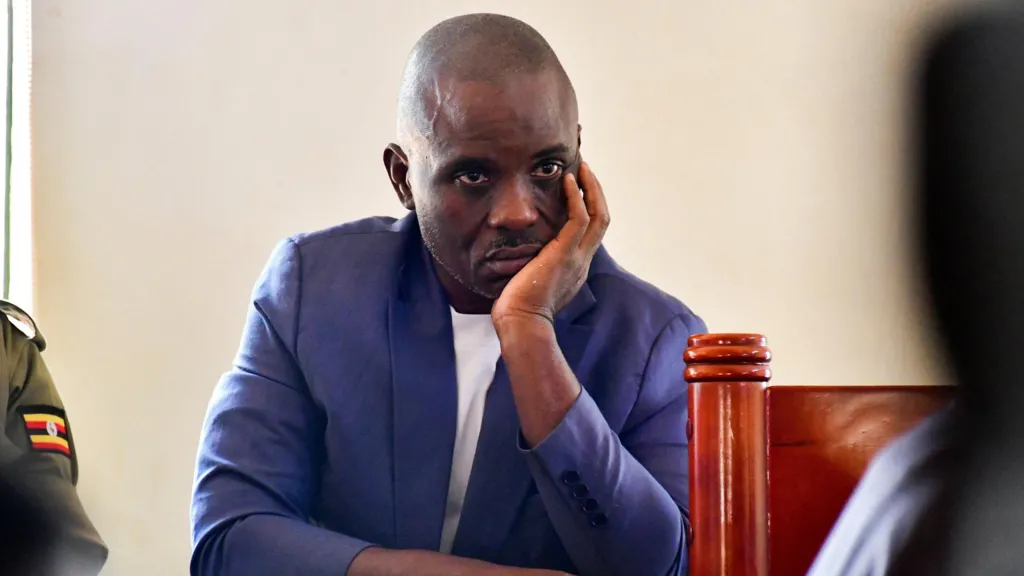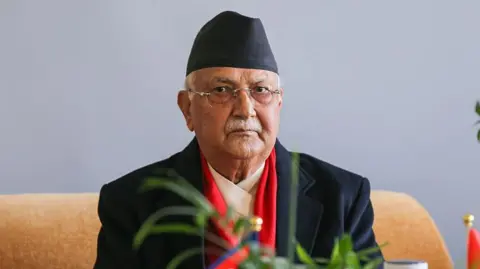
Nepal's former prime minister KP Sharma Oli has been taken to hospital following his arrest over his alleged involvement in a deadly crackdown on protests last year.
Oli was admitted to a clinic in Kathmandu as a part of routine police procedure soon after his arrest at his home early on Saturday morning, officials say.
More than 70 people were killed, many of them protesters shot by police, during an uprising in September - which was sparked by a social media ban but fuelled by anger over corruption and economic conditions.
Ex-home minister Ramesh Lekhak was also arrested on Saturday, following a panel appointed to investigate the unrest, which recommended that the pair be prosecuted for criminal negligence.
Oli was admitted to hospital pending results from medical tests and given his age and medical history of two kidney transplants, the hospital's information office told BBC Nepali.
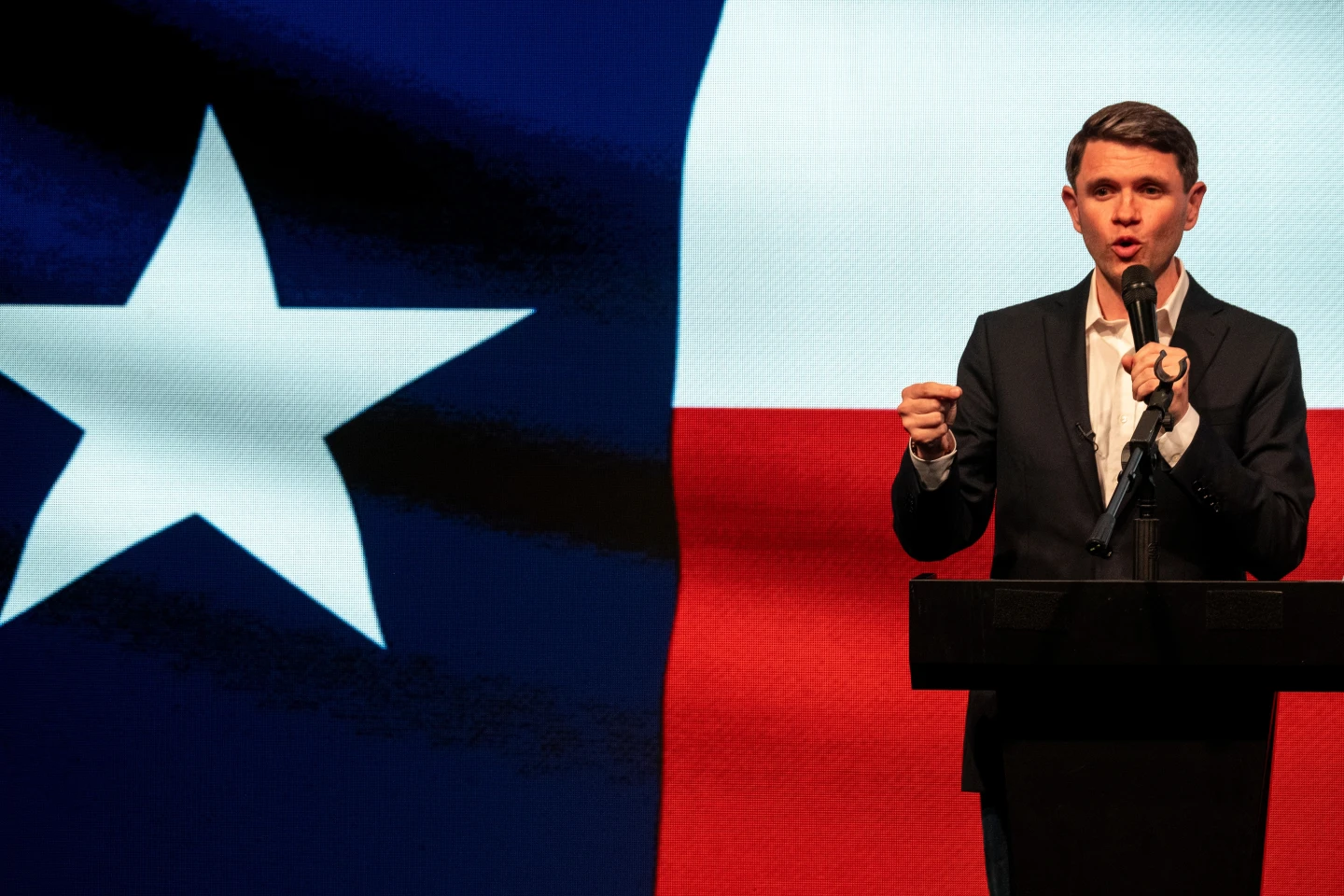
The arrests come a day after the nation's new prime minister, 35-year-old rapper-turned-politician Balen Shah, was sworn in following an election triggered by the crisis.
They were arrested this morning and the process will move forward according to the law, Kathmandu Valley police spokesman Om Adhikari told newswire Agence France-Presse. Oli, 74, and Lekhak, 62, have not been charged.
Oli has previously rejected the findings of the commission, which also recommended the arrest of former police chief Chandra Kuber Khapung, telling the Annapurna Post they were character assassination and hate politics.
His lawyers told Reuters his detention was unwarranted at this point in the investigation.
It is illegal and improper because there is no risk of him fleeing or avoiding questioning, he said.
Supporters of Oli's CPN-UML party have begun protests in Kathmandu after the party's secretariat decided to launch nationwide demonstrations.
On Instagram, new Home Minister Sudan Gurung, who was a key figure in the protests, welcomed the arrests.
No one is above the law... This is not revenge against anyone, just the beginning of justice, he wrote.
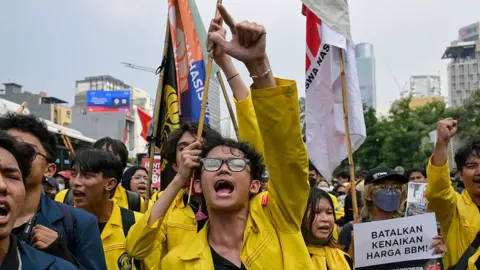
At least 19 people, including a teenager in school uniform, were killed during the so-called Gen-Z protests on 8 September, when youth took to the streets over a government shutdown of social media sites.
Coming amid frustration over high unemployment, a stagnant economy, and corruption and nepotism in politics, the crackdown sparked broader rallies across the nation in which scores more died and parliament, police stations and shops were set on fire.
Families of 76 people who died have been calling for officials to be held accountable in the months since.
Oli resigned on 9 September but re-contested the election held on 5 March.
Shah's Rastriya Swatantra Party's (RSP) won in a landslide, the first time in decades that a single party has garnered a majority in Nepal, which has an electoral format that makes it difficult for any one party to win outright.
}