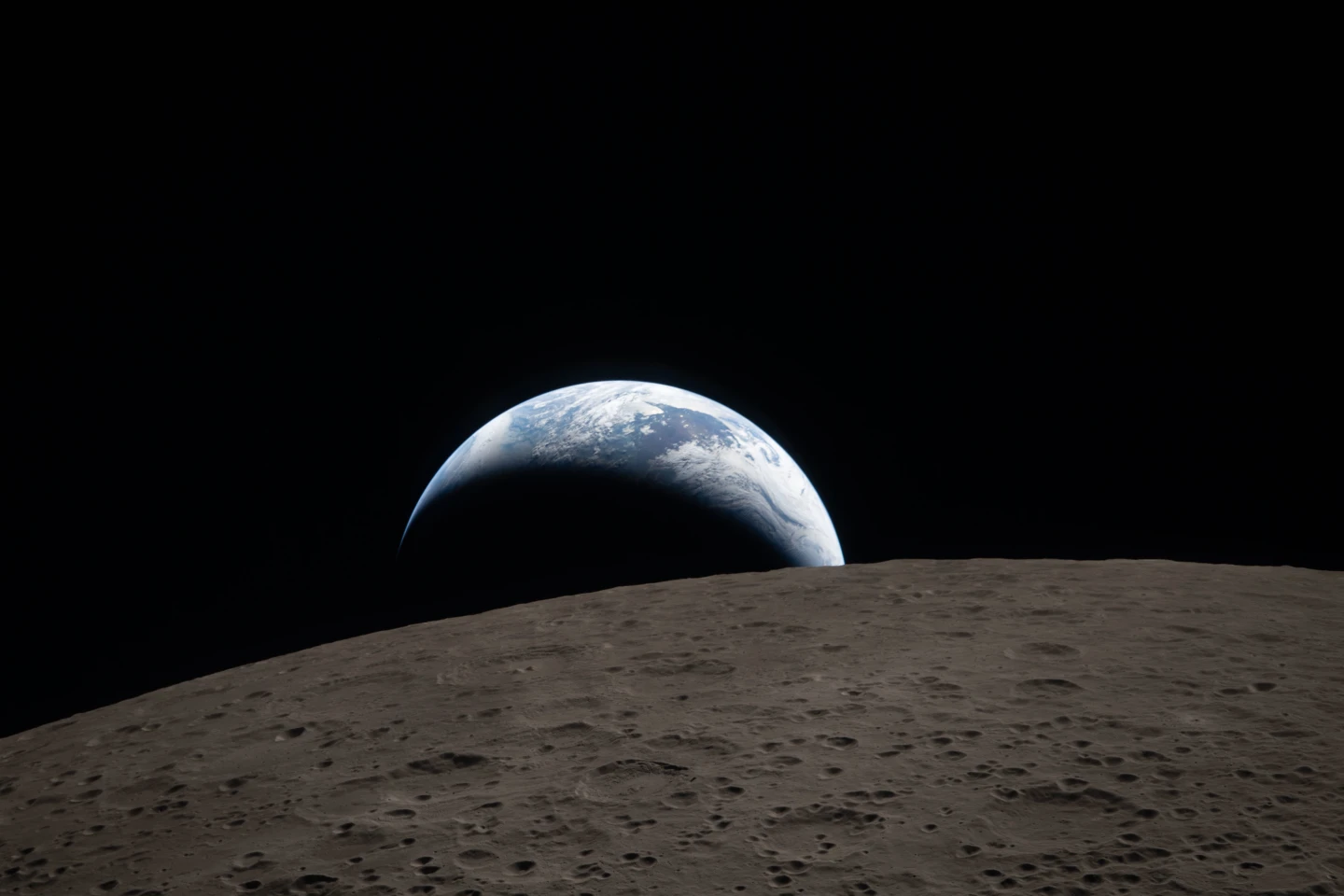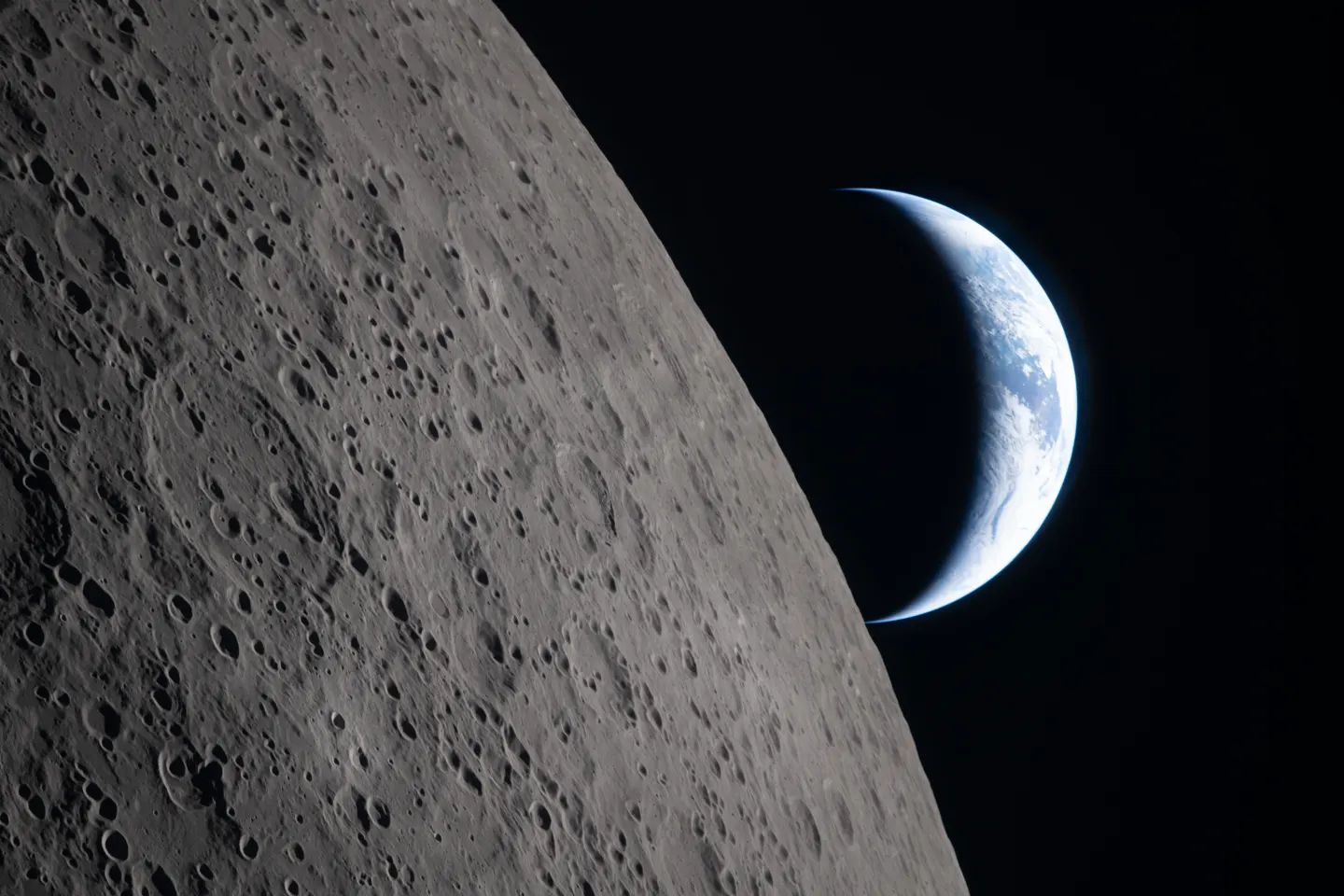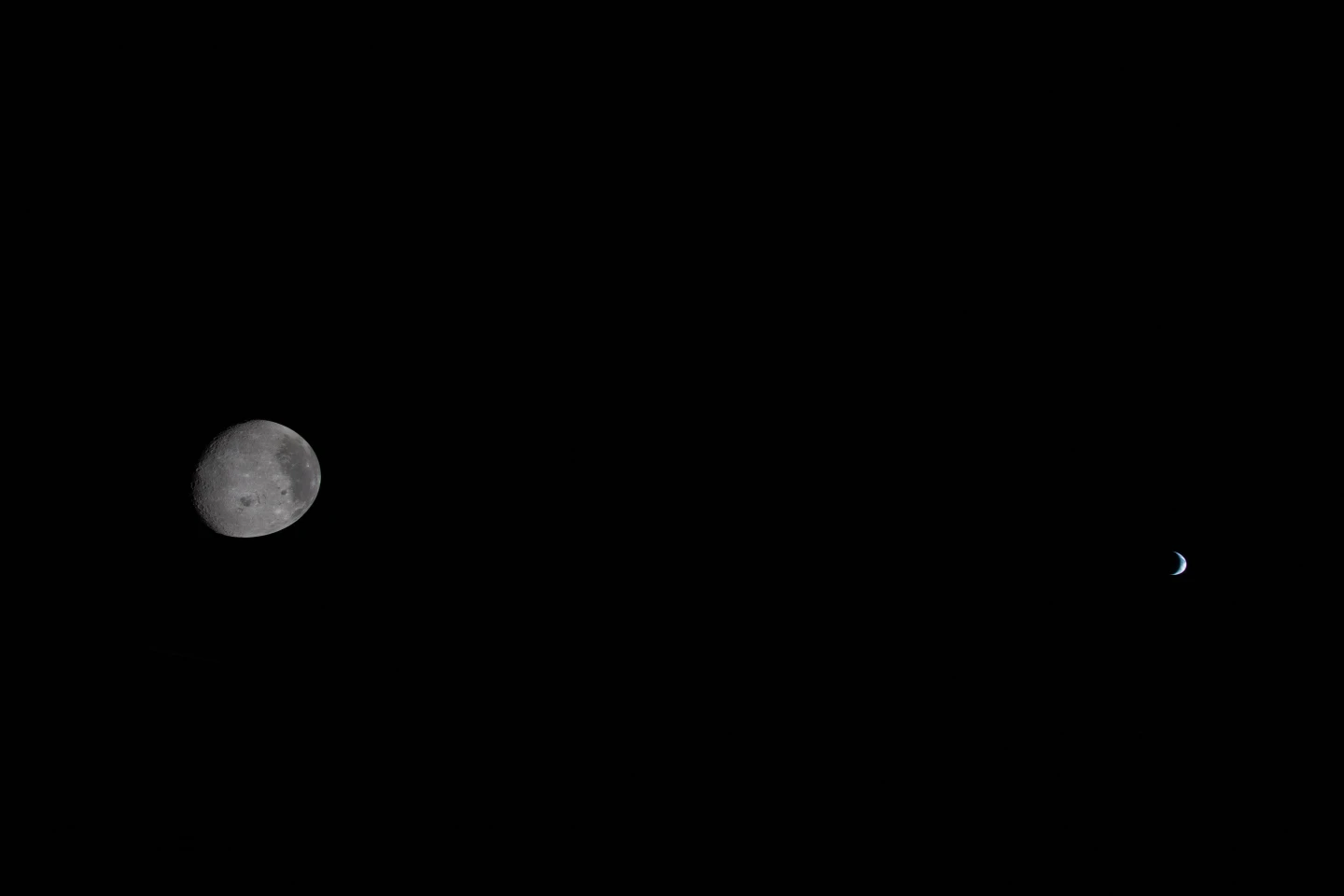
NASA is releasing a steady stream of stunning pictures of the Moon and Earth taken by astronauts on its Artemis II Moon mission. Attracting millions of likes on social media, the images show the two bodies from unusual angles in glorious high definition. There is no denying the drama: four astronauts are embarking on a mission that will take them further from Earth than any human has ventured since 1972. But is there unique scientific value in these images, or are these simply the equivalent of holiday photos?
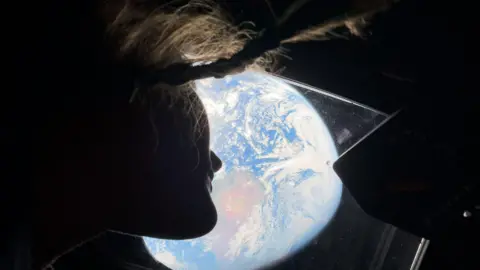
NASA wants the American public behind them to support the mission. They are live-streaming the 10-day journey, and the four astronauts are doing regular video updates, describing their progress in triumphant tones. The crew have been so excited to watch the world and Moon go by, NASA has said, that the window inside the Orion spacecraft got dirty and the astronauts were sent instructions on how to clean it.
This is the first time that digital cameras have been taken this far into space. Orion has 32 cameras and devices - 15 mounted onto the spacecraft and 17 handheld by the crew. According to NASA, the astronauts are using standard 10-year-old cameras, including the Nikon D5, as well as GoPros and smartphones. NASA's photostream on Flickr even tells you the device used to take each of the published photos.
On Friday, we saw the first results of their intense observations. 'Hello, World' was taken by Commander Reid Wiseman when the mission was about equidistant from the Moon and Earth - 142,000 miles from Earth, and 132,000 miles from the Moon. It shows two auroras as the Earth eclipses the Sun, with the planet Venus glowing at the bottom of the image.
In contrast, NASA released another photo with the tagline history in the making, showing the Orientale basin, a huge crater on the far side of the Moon, ahead of the lunar fly-by. It emphasizes the importance of human exploration, particularly in interpreting nuanced differences in surface features.
Experts express skepticism about the scientific value of these images compared to those taken by robotic explorers. Chris Lintott, a professor of astrophysics, notes the images' aesthetic appeal rather than scientific advancements, citing previous missions capable of mapping the far side of the Moon. In discussing the appeal of human-operated photography, Lintott emphasizes the artistry yet points out the limitations for scientific discovery.
Ultimately, while the Artemis II images may lack novel scientific insights, they possess emotional resonance reminiscent of iconic space photos from 1968. As exploration continues, these captured moments serve as reminders of the shared human experience in inquiry and adventure.
NASA wants the American public behind them to support the mission. They are live-streaming the 10-day journey, and the four astronauts are doing regular video updates, describing their progress in triumphant tones. The crew have been so excited to watch the world and Moon go by, NASA has said, that the window inside the Orion spacecraft got dirty and the astronauts were sent instructions on how to clean it.
This is the first time that digital cameras have been taken this far into space. Orion has 32 cameras and devices - 15 mounted onto the spacecraft and 17 handheld by the crew. According to NASA, the astronauts are using standard 10-year-old cameras, including the Nikon D5, as well as GoPros and smartphones. NASA's photostream on Flickr even tells you the device used to take each of the published photos.
On Friday, we saw the first results of their intense observations. 'Hello, World' was taken by Commander Reid Wiseman when the mission was about equidistant from the Moon and Earth - 142,000 miles from Earth, and 132,000 miles from the Moon. It shows two auroras as the Earth eclipses the Sun, with the planet Venus glowing at the bottom of the image.
In contrast, NASA released another photo with the tagline history in the making, showing the Orientale basin, a huge crater on the far side of the Moon, ahead of the lunar fly-by. It emphasizes the importance of human exploration, particularly in interpreting nuanced differences in surface features.
Experts express skepticism about the scientific value of these images compared to those taken by robotic explorers. Chris Lintott, a professor of astrophysics, notes the images' aesthetic appeal rather than scientific advancements, citing previous missions capable of mapping the far side of the Moon. In discussing the appeal of human-operated photography, Lintott emphasizes the artistry yet points out the limitations for scientific discovery.
Ultimately, while the Artemis II images may lack novel scientific insights, they possess emotional resonance reminiscent of iconic space photos from 1968. As exploration continues, these captured moments serve as reminders of the shared human experience in inquiry and adventure.