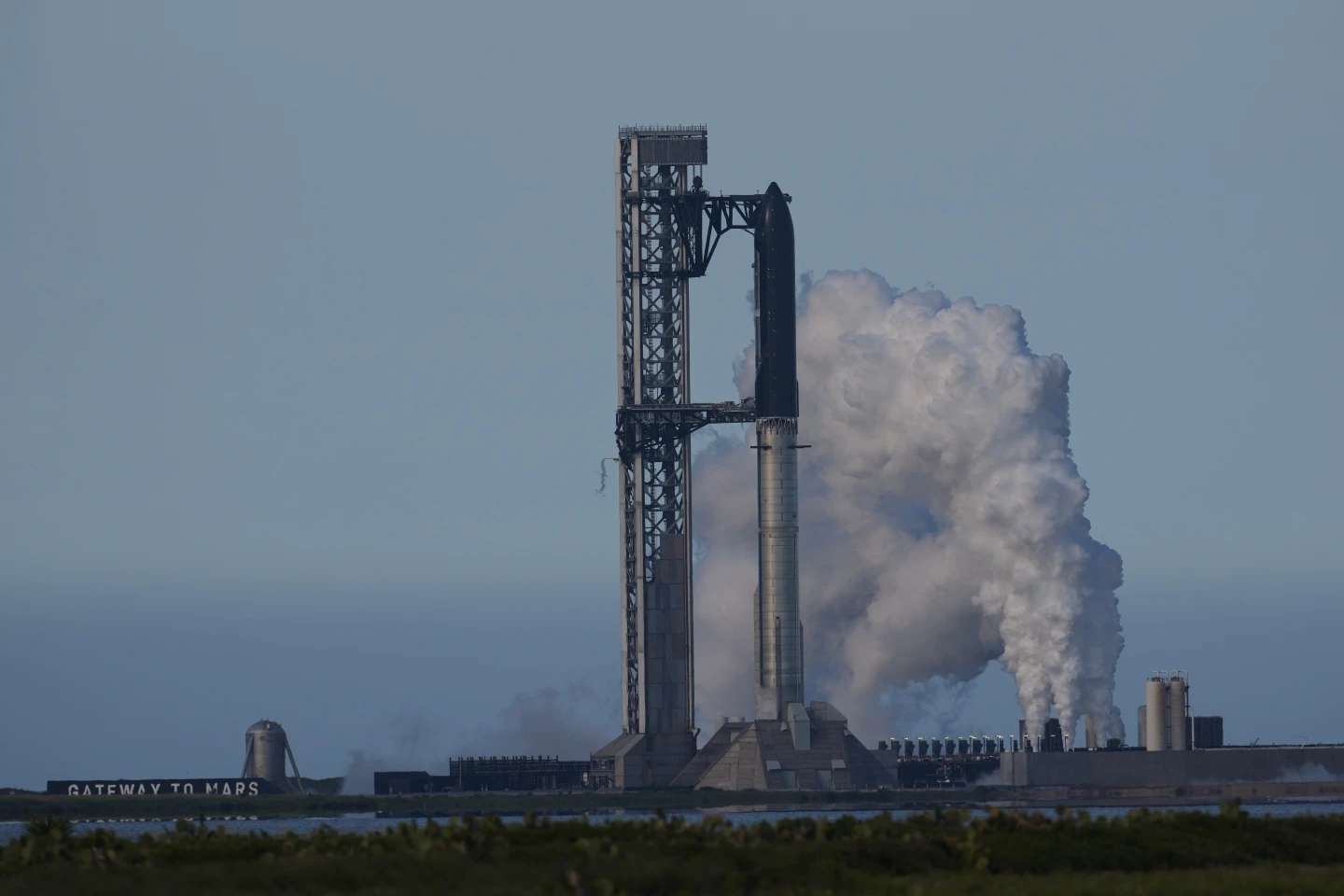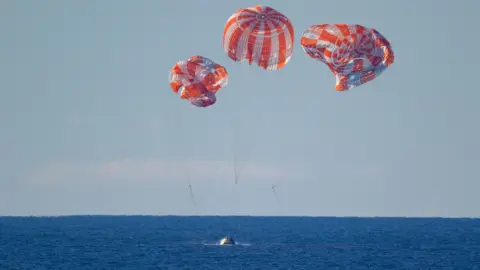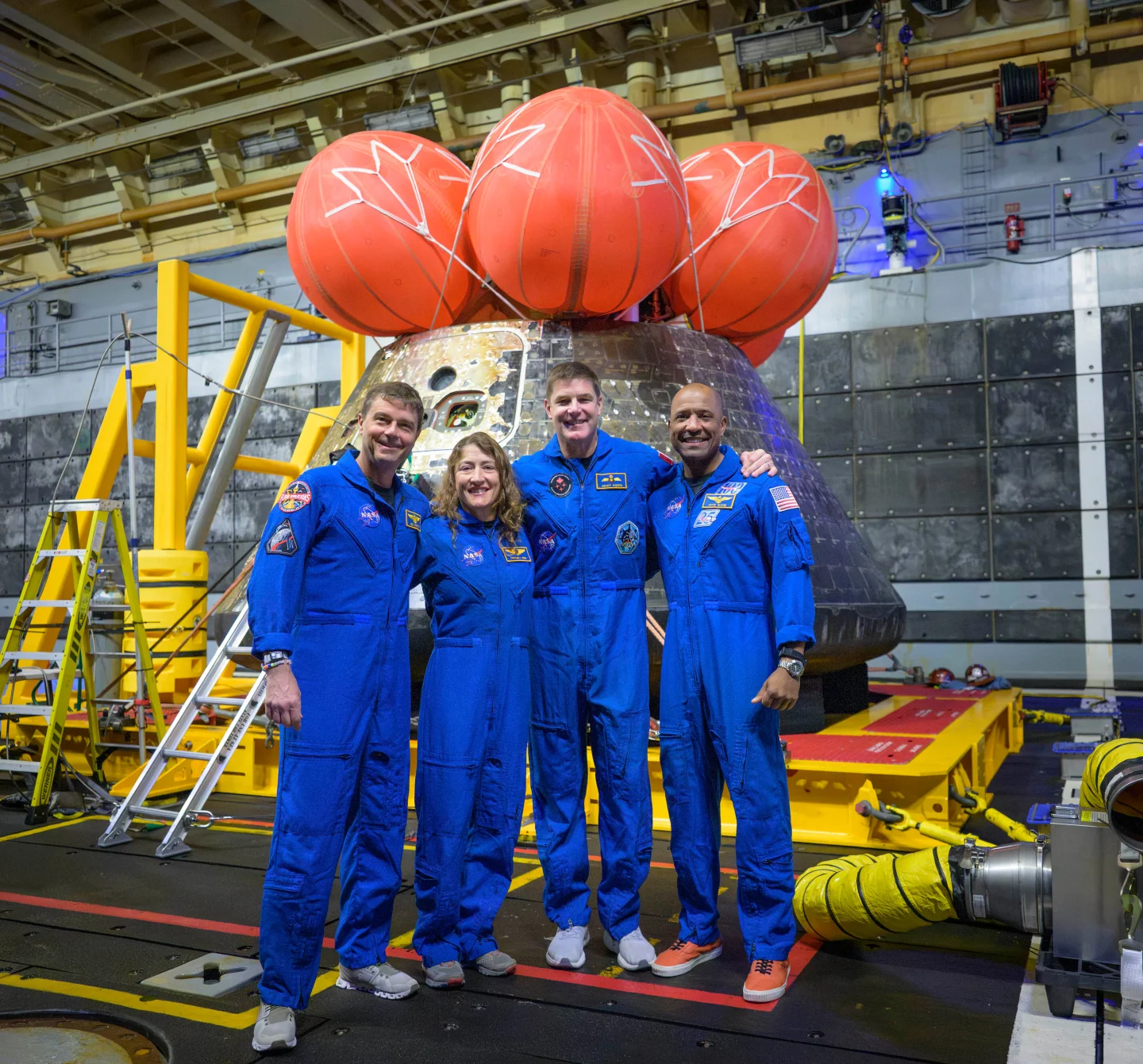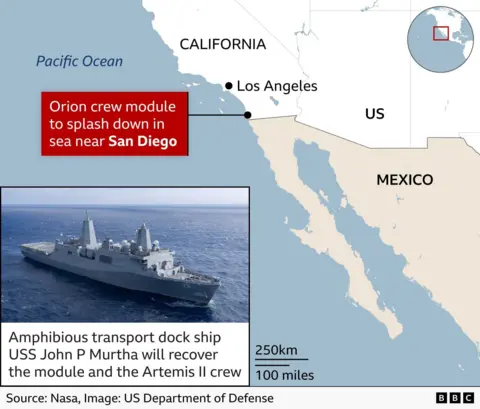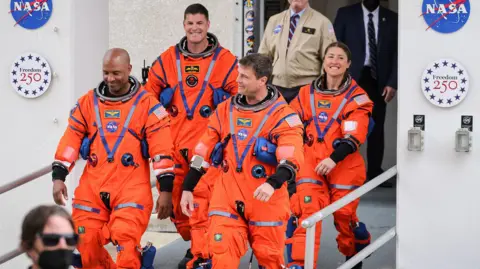
You could almost hear a sigh of relief from NASA on Wednesday as its Artemis II rocket finally blasted off. There's a lot riding on this mission - the safety of its four astronauts, NASA's reputation, and the credibility of America's claim to be leading the new global space race.
The astronauts, Commander Reid Wiseman, Victor Glover, Christina Koch, and Jeremy Hansen, are now orbiting Earth about 42,500 miles away, testing out the Orion spacecraft. The craft's solar wings were fully deployed not long after launch, giving it power to help sustain its journey.
Nasa aims to ensure that Orion is voyage-worthy before the crew ventures into deep space from where there is no easy return. They are testing the life support systems, and important checks are being performed to ensure everything is functioning as expected during this mission.
Unlike the Apollo missions in the 1960s and 1970s, this journey can be observed as NASA livestreams the mission. The crew was allowed their first sleep onboard, and they will continue to follow a strict schedule managed by Mission Control.
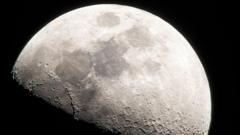
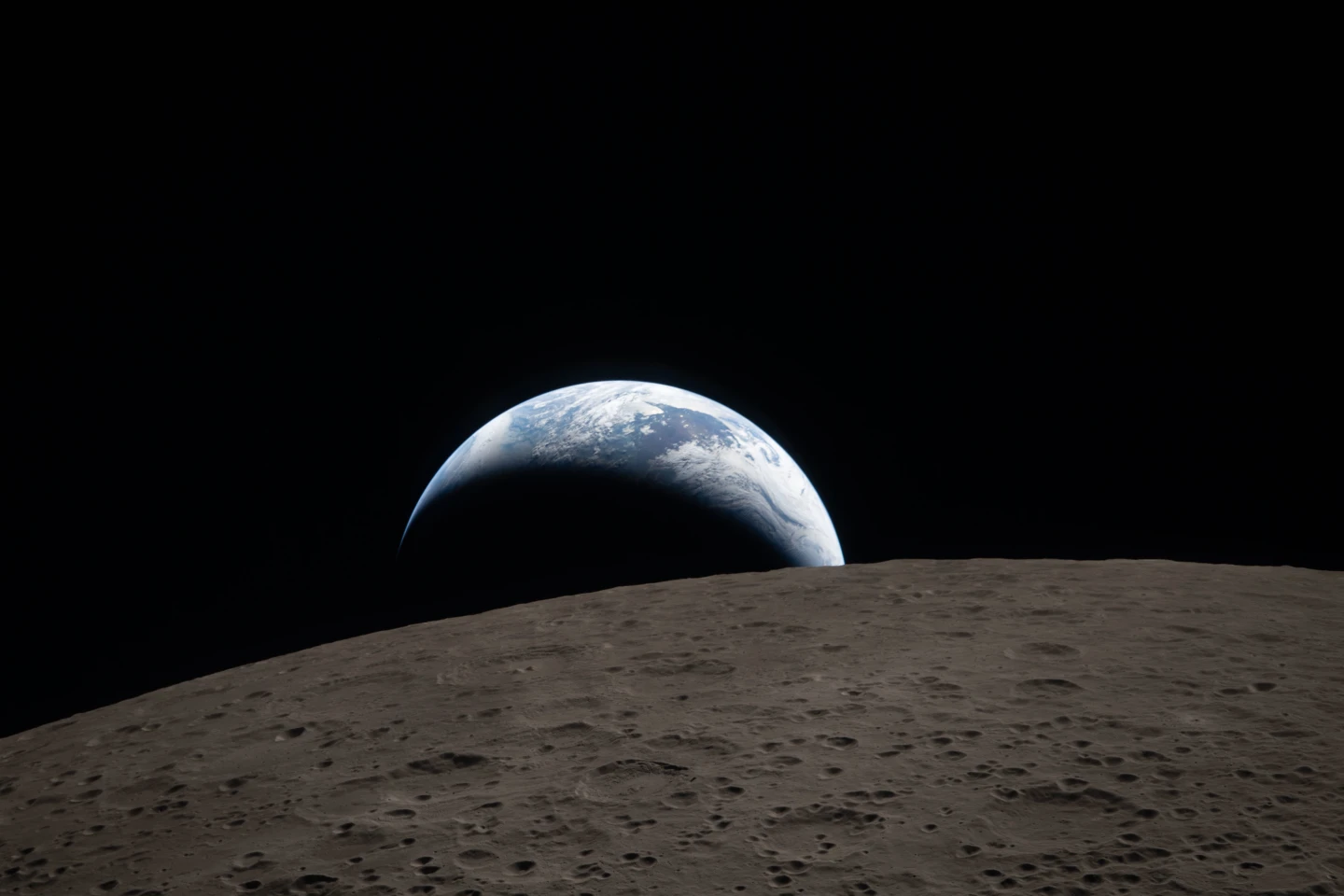
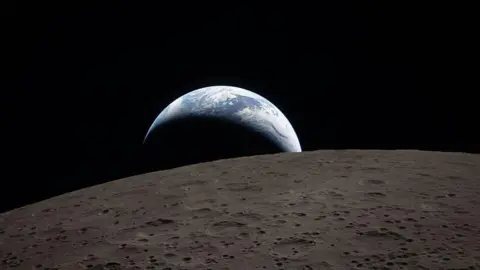
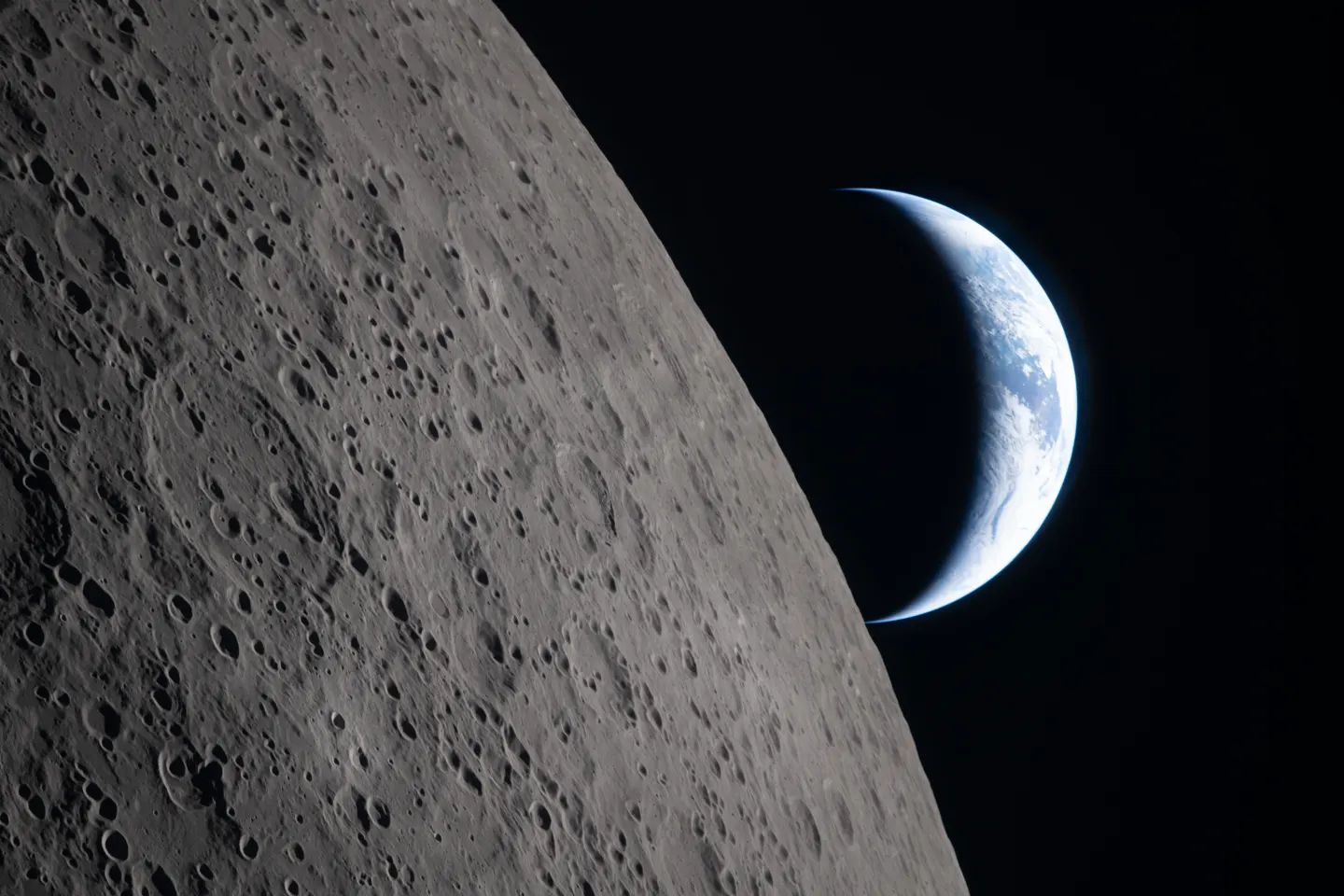
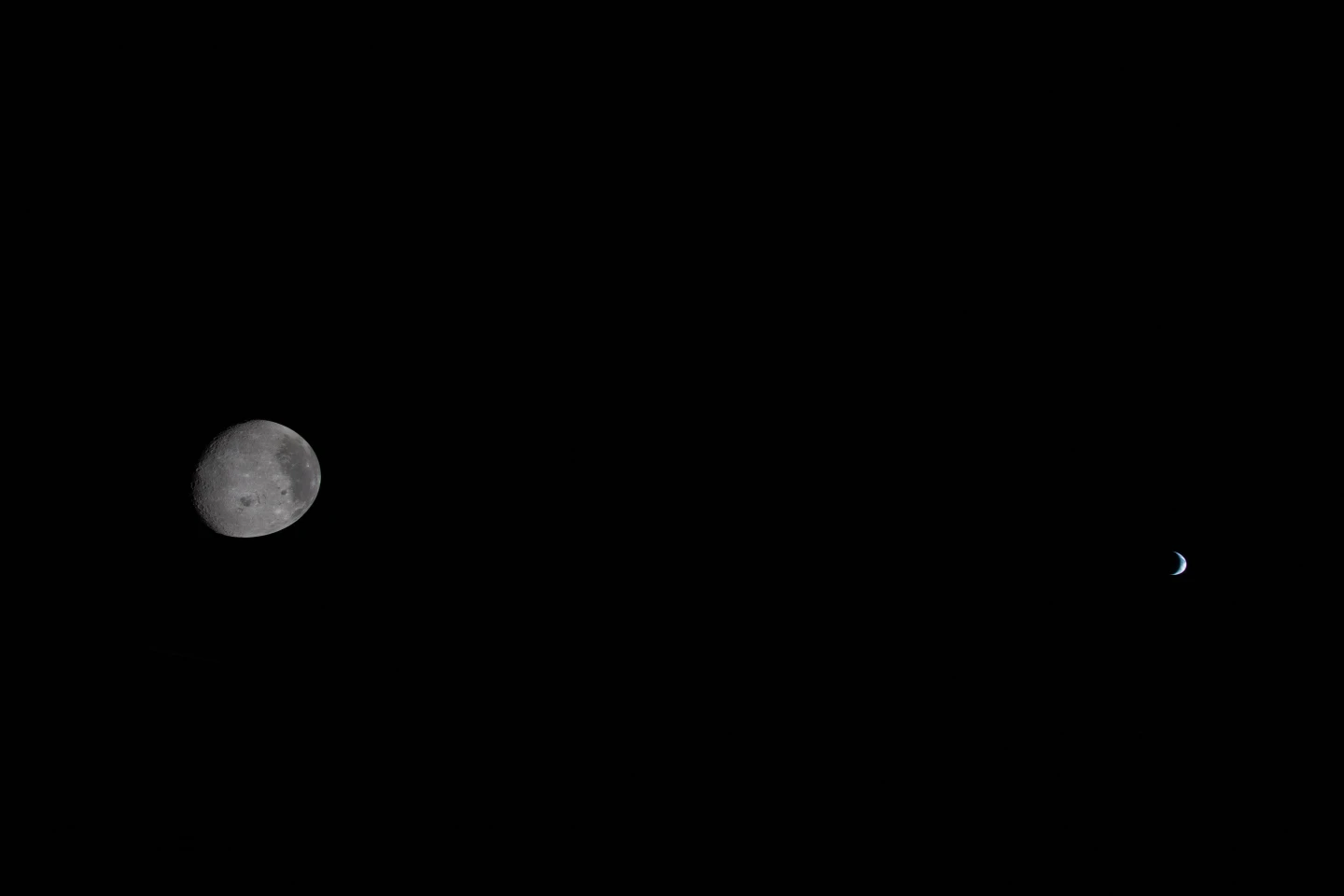
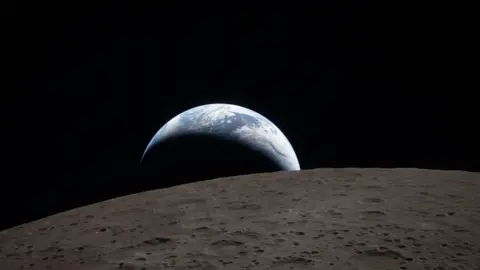
The launch sets the stage for the upcoming 'trans-lunar injection' burn, expected to take place soon. This maneuver will propel them out of Earth's orbit and set them on track for a lunar visit. If successful, the astronauts will fly 6,400 miles beyond the far side of the Moon, bringing back invaluable data for scientists and researchers on Earth.
This ambitious mission highlights not just NASA's commitment to space exploration but also the growing interest in returning humans to the Moon by 2028, marking a new era of potential discovery and achievement in the universe.