Albania’s Flamingo Revolution: Protesters Demand a PM’s Resignation
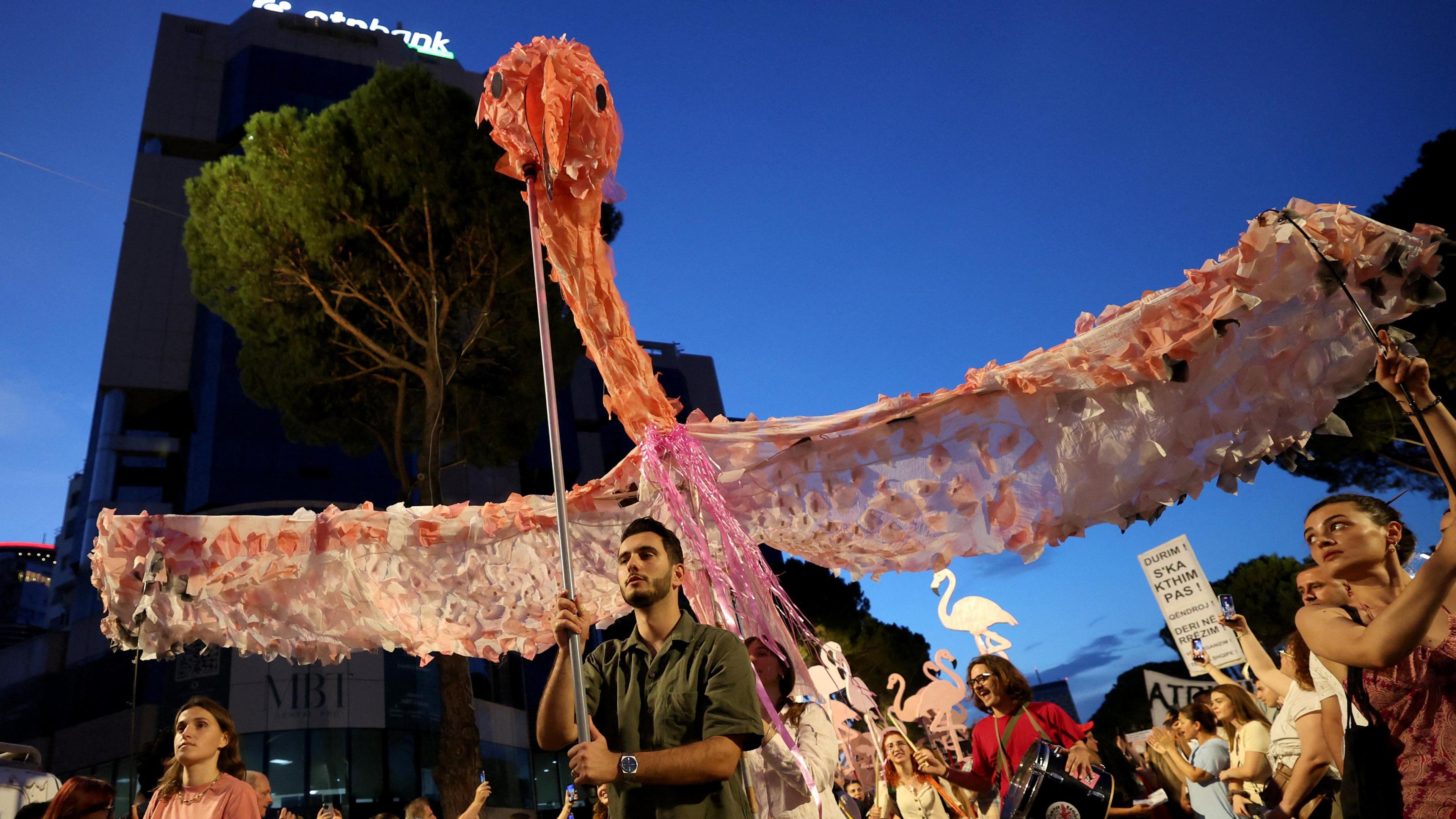
In the early hours of July 4, 2026, throngs of Albanian citizens walked straight toward the offices of Prime‑Minister Edi Rama. Their banners, emblazoned with pink flamingos, chanted for more than environmental preservation; they demanded better schools, jobs, health services and an end to the perceived corruption of the ruling Socialist Party.
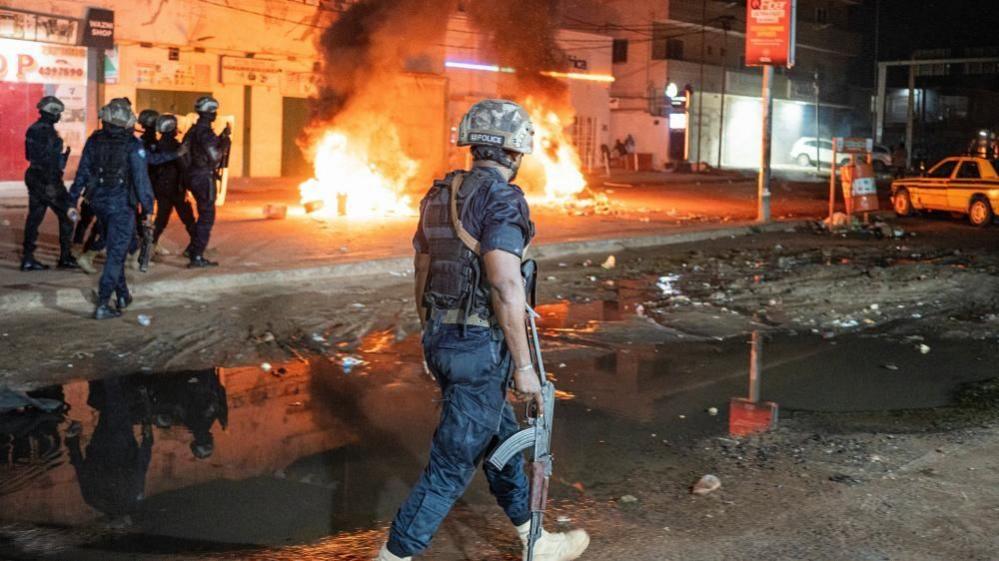
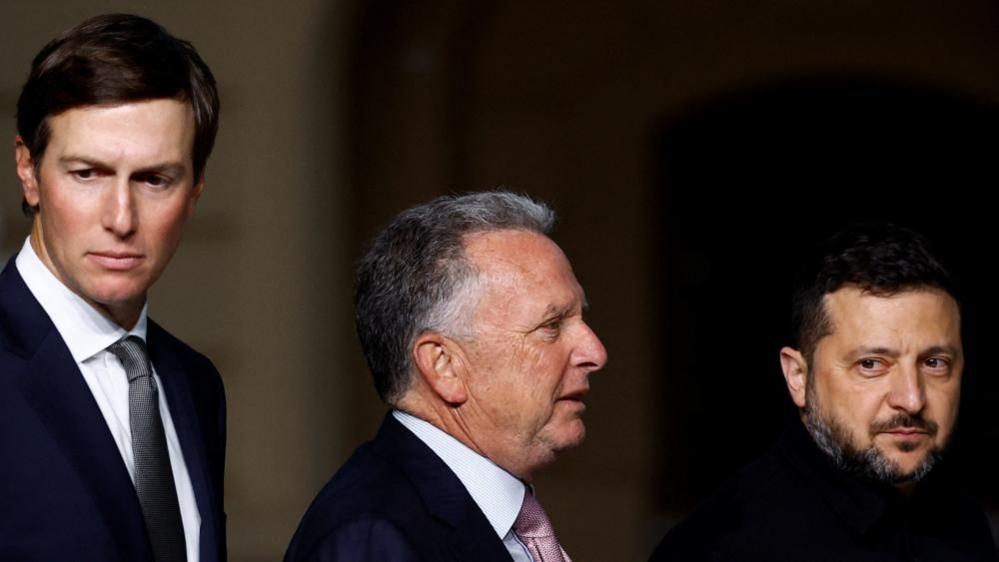
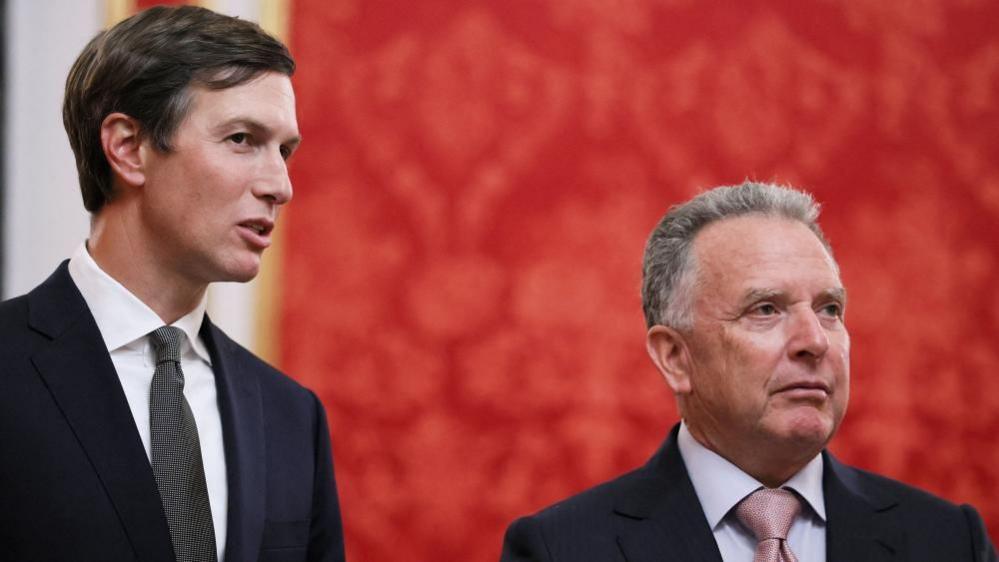
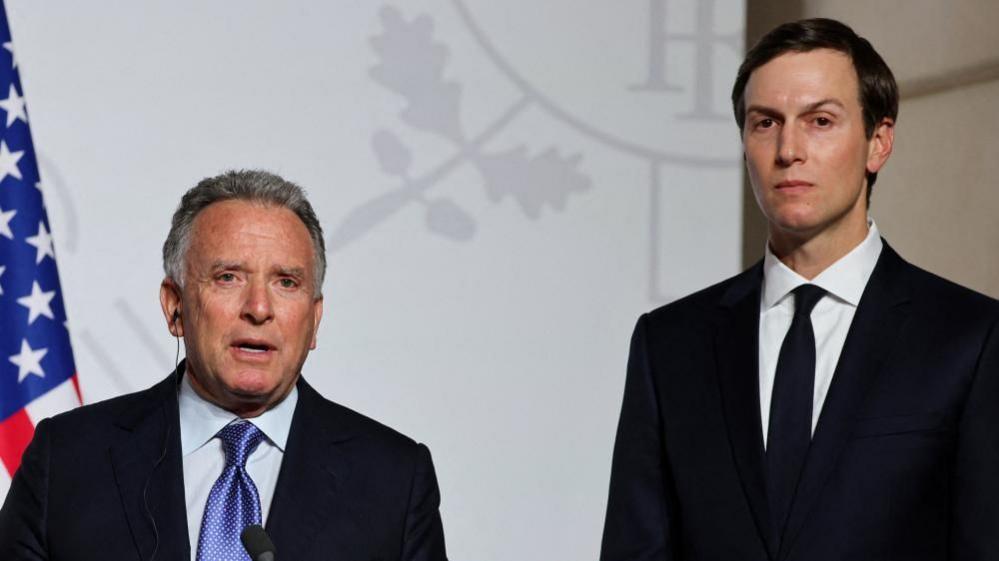
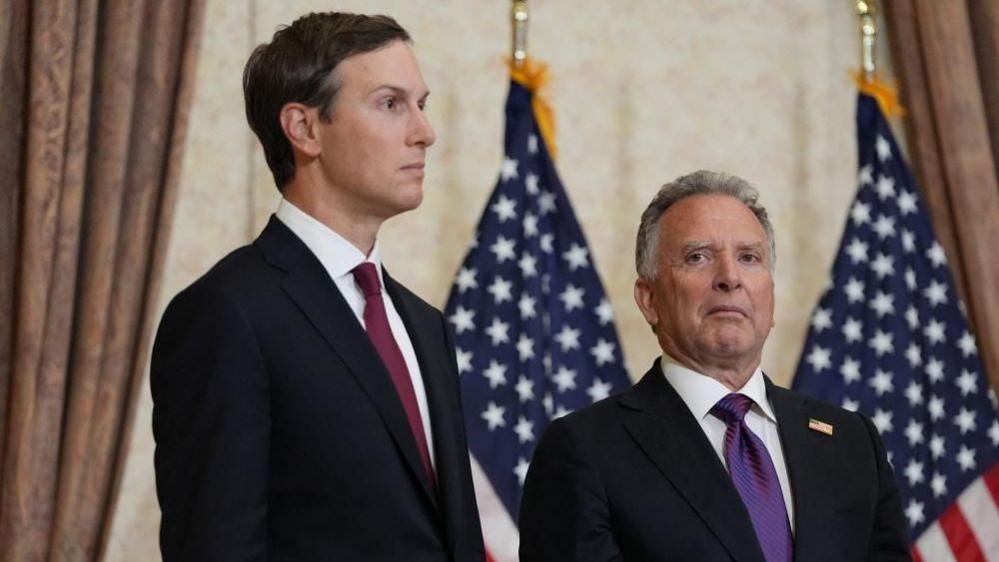
Flamingos first became a rallying symbol when a group of international investors, including Jared Kushner, eye‑ed the pristine Narta Lagoon for a 60‑million‑dollar luxury resort. Though no environmental or planning permits had been granted, construction machinery roved the site, sparking outrage. Reports of security forces beating a protester on June 30 spread across social media, inflaming public sentiment.
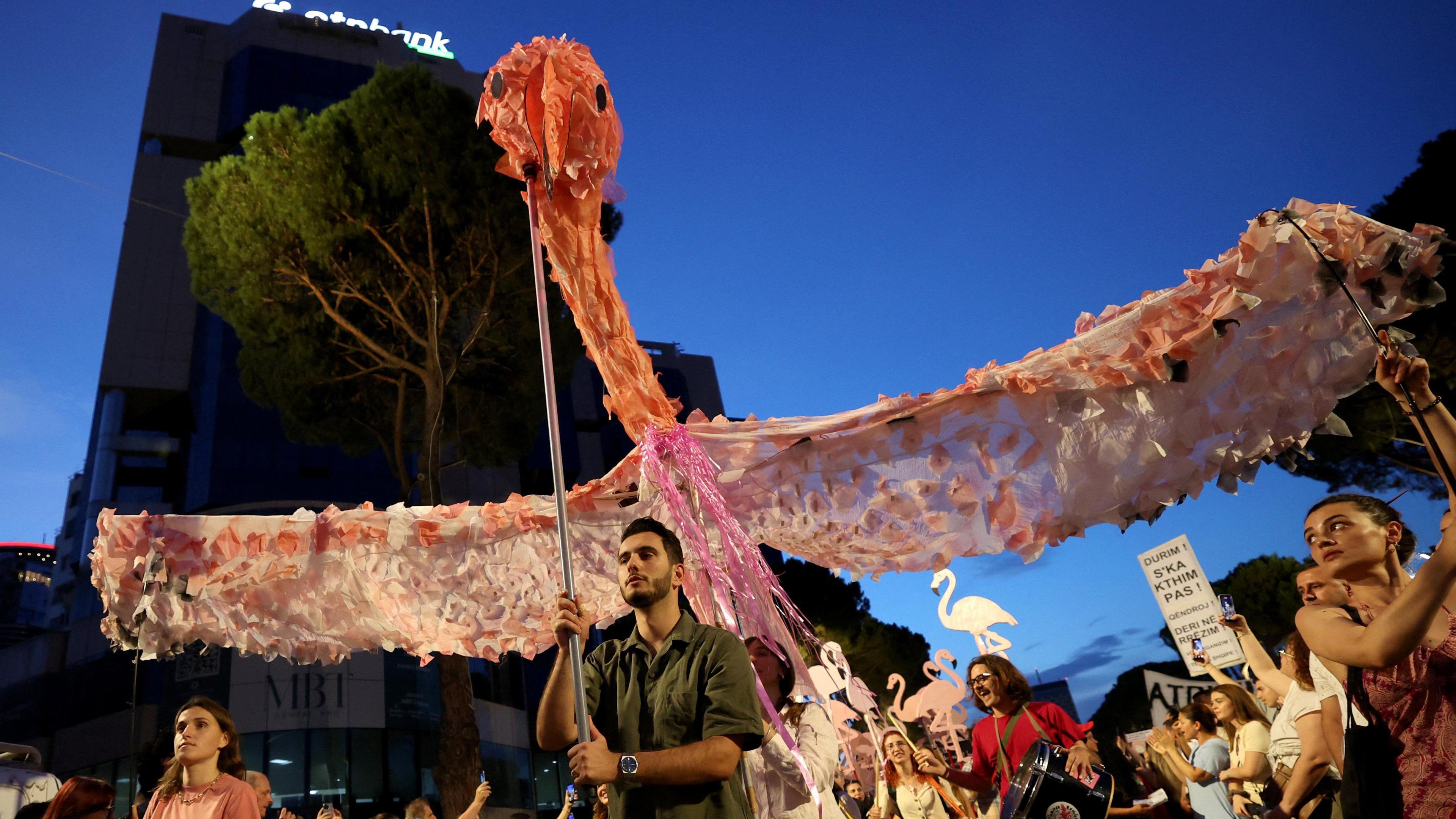
With the protest’s scope widening, young activist Helena explained, “I’m here for our schools, hospitals, my family who want to stay in Albania. I’m here for me.” The protest’s chant is increasingly ambitious: “Resign, Rama.”
The Socialist Party’s 13‑year tenure, when it came to the table in 2013, has reshaped Tirana with skyline towers and a burgeoning tourism sector – now responsible for more than 20 % of GDP. Yet, recent investigations by the anti‑corruption body, SPAK, have targeted Rama’s closely‑wired allies, including his former deputy and Tirana’s mayor.
Rama calmly greeted the protests as “a sign of a healthy democracy,” while his party has suffered the internal rift of young member Marjana Koceku quitting after being hand‑picked to represent the Socialist Party. Koceku criticized the party’s “shiny façades” and accused Rama of being an “element of the crisis of legitimacy.”
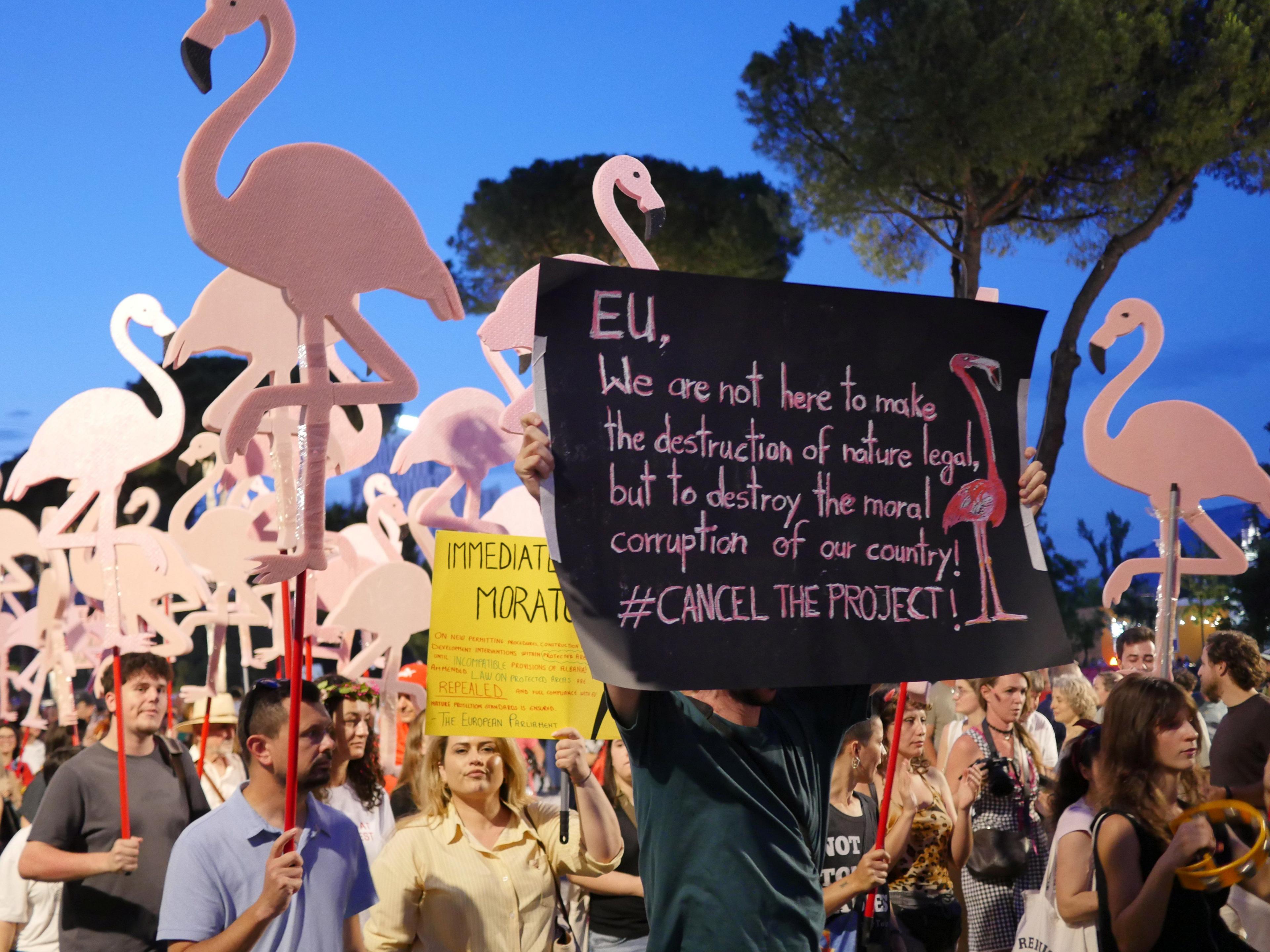
The protests remain unresolved: the government continues to claim it's a defensive stance, refusing to grant environmental licenses, while demonstrators refuse to leave. The flamingo motif, once a simple symbol of conservation, now stands for a more massive question of governance and integrity in Albanian politics. Whether the monarchy of the Socialist Party can survive these challenges is a question that the nation now watches closely.