Hong Kong's First Post‑Colonial Chief Executive Tung Chee‑hwa Dies at 89
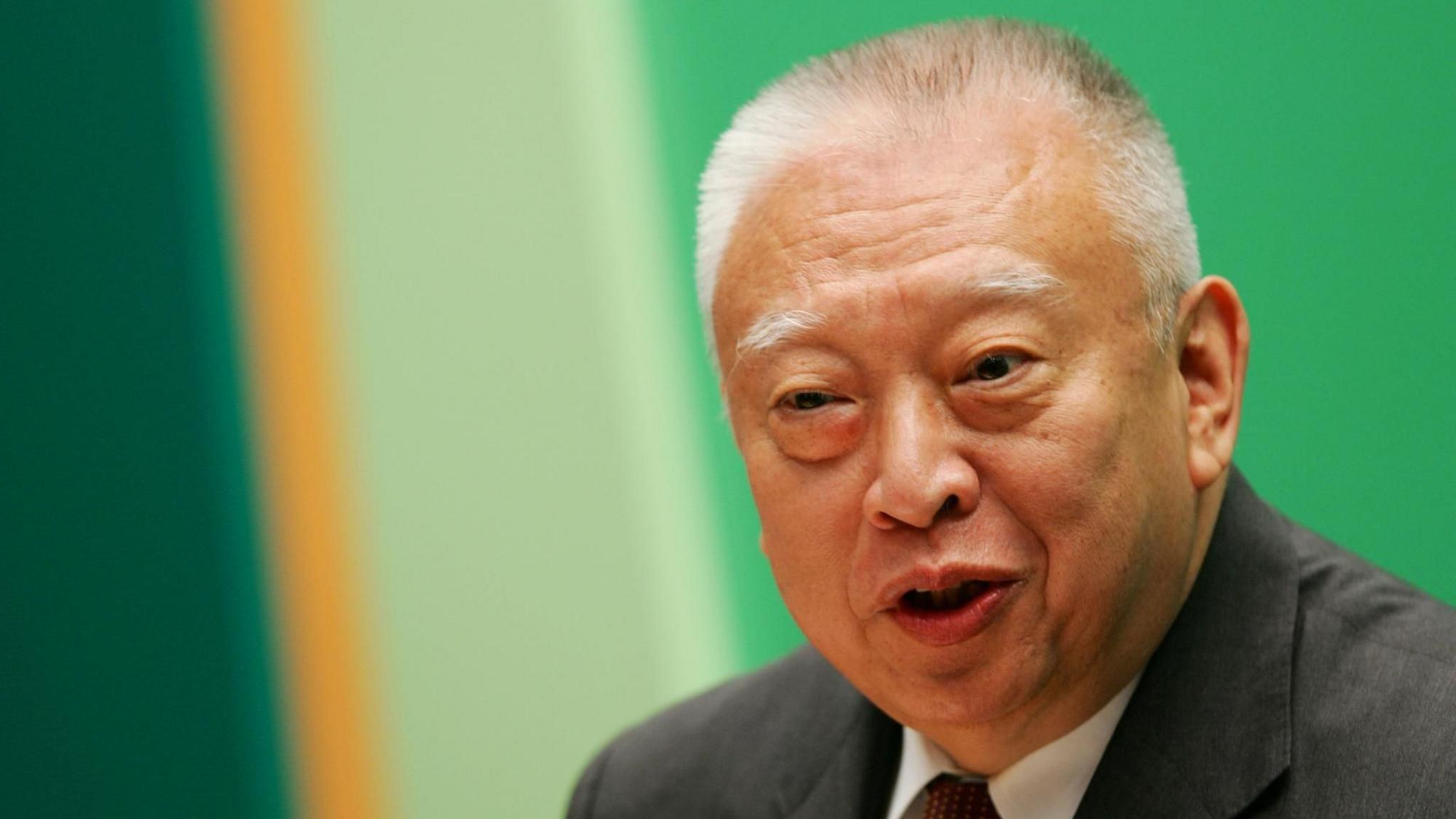
Former chief executive of Hong Kong, Tung Chee‑hwa, who led the city through a series of crises following the 1997 handover, has died at the age of 89.
Tung assumed office in July 1997 after British Governor Chris Patten stepped down when the island returned to Chinese sovereignty. His tenure was marred by the Asian Financial Crisis, two major public health scares—a bird‑flu outbreak from 1997 to 2002 and the emerging SARS epidemic in 2003—and widespread protests in 2003 over a proposed national security law.
The parliament abandoned the legislation following mass demonstrations, and Tung, who had been under pressure from Beijing and faced declining health, resigned in March 2005. He had been described by the Hong Kong Office in a statement released by his office as a man “devoted to his country and its people”, whose “noble character and integrity will live on forever in our hearts.”
Born in Shanghai in 1937, Tung earned a mechanical engineering degree from Liverpool University, worked for General Electric in the United States for nearly a decade, and joined his family shipping business when he relocated to Hong Kong in 1969. He finally took the helm of his father’s company in 1979.
Tung’s political career began in 1992, when he was appointed to Governor Patten’s executive council. Regardless of limited political experience, he was widely seen as Beijing’s nominee for the chief executive post, reinforced in 1996 when then‑president Jiang Zemin personally shook his hand in the Great Hall of the People – a symbolic endorsement.
He made his last public appearance in July 2021 at the centenary of the Chinese Communist Party’s founding, following which he underwent heart surgery. Tung is survived by his wife and three children.
Legacy
Tung’s leadership period remains controversial, especially among Hong Kong citizens who view the post‑1997 national security legislation as a turning point that eroded civil liberties. Yet he remains a pivotal figure in the transition from colonial rule to integration within China’s sovereign framework.