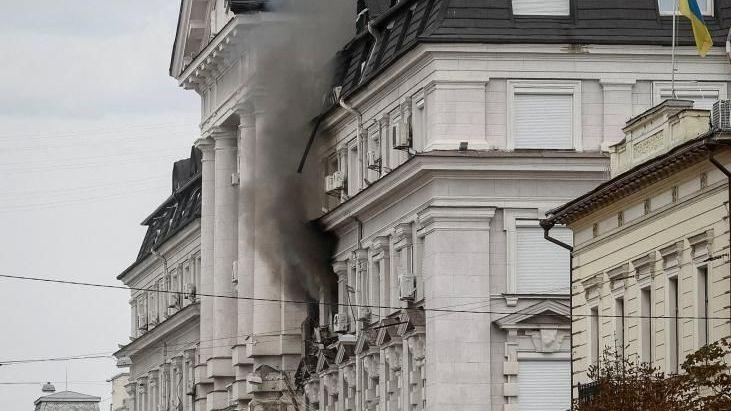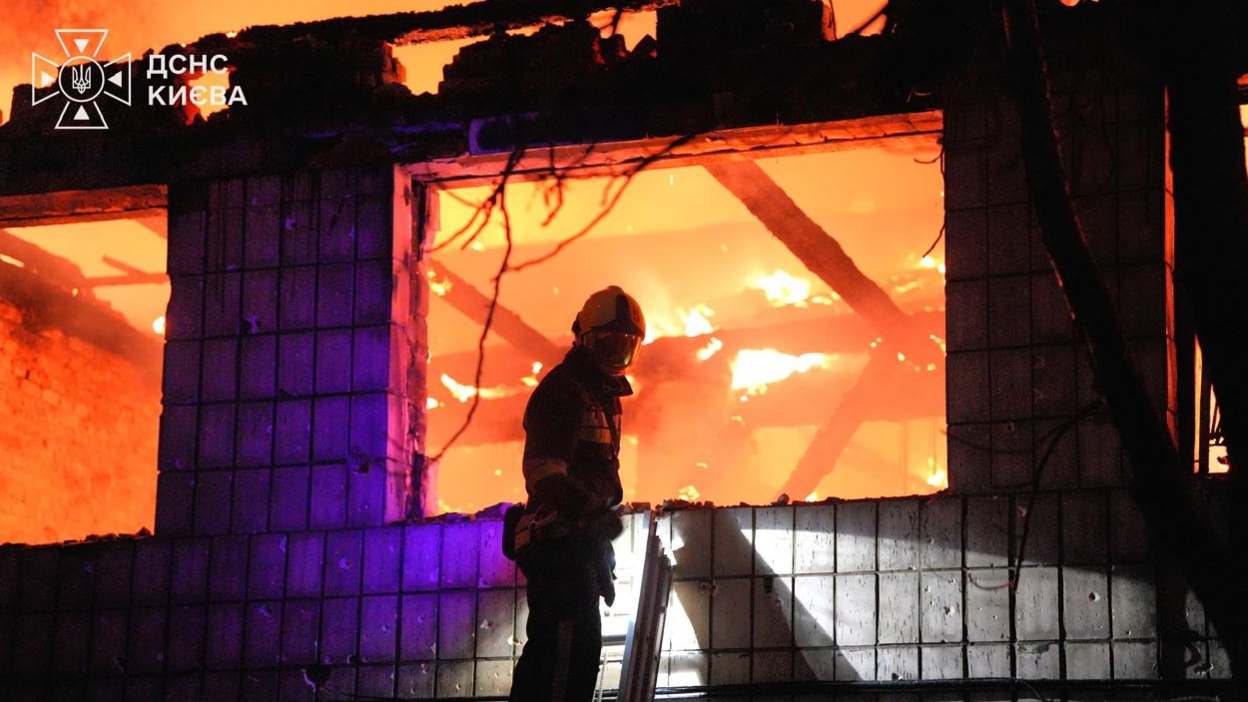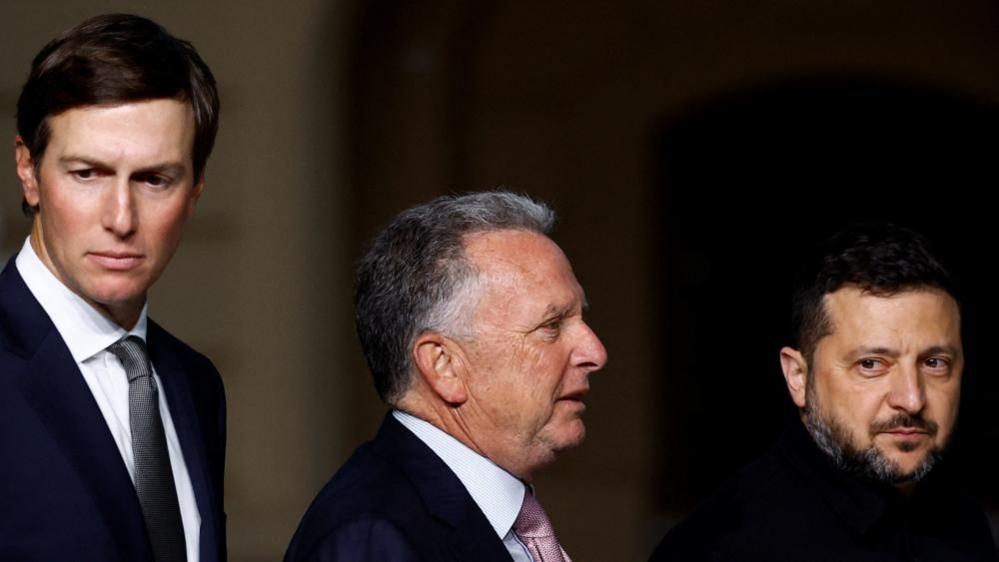
US envoys’ first trip to Ukrainian soil since the full‑scale invasion carried a powerful symbolism. Their arrival on the rails beneath an austere Kyiv skyline was staged in the historic Saint Sophia Cathedral, an emblem of Ukraine’s cultural heritage, only yards from a security headquarters that had been struck by Russian drones earlier in the week. The scene, seen by journalists upon landing, underscored the stakes of the ongoing dialogue.
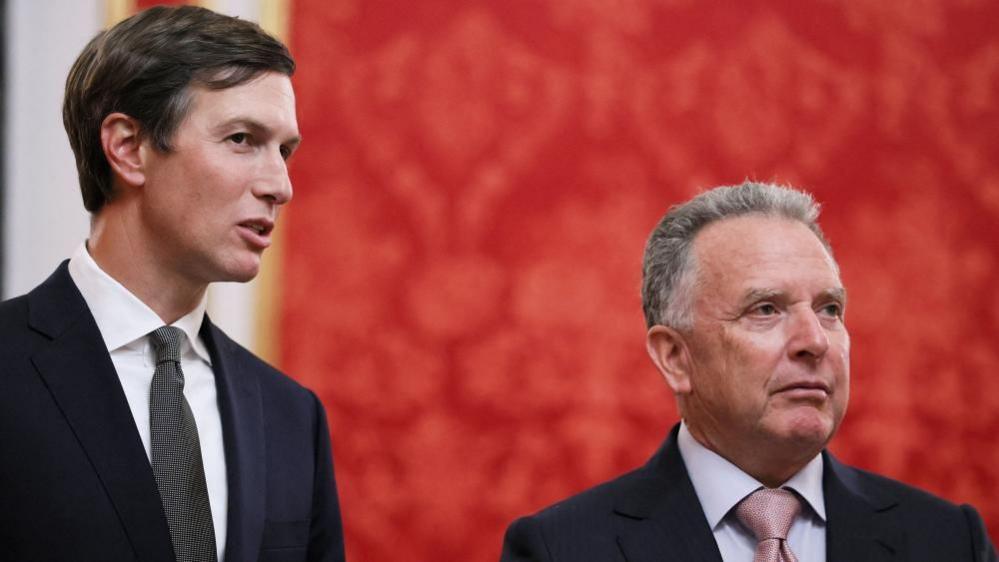
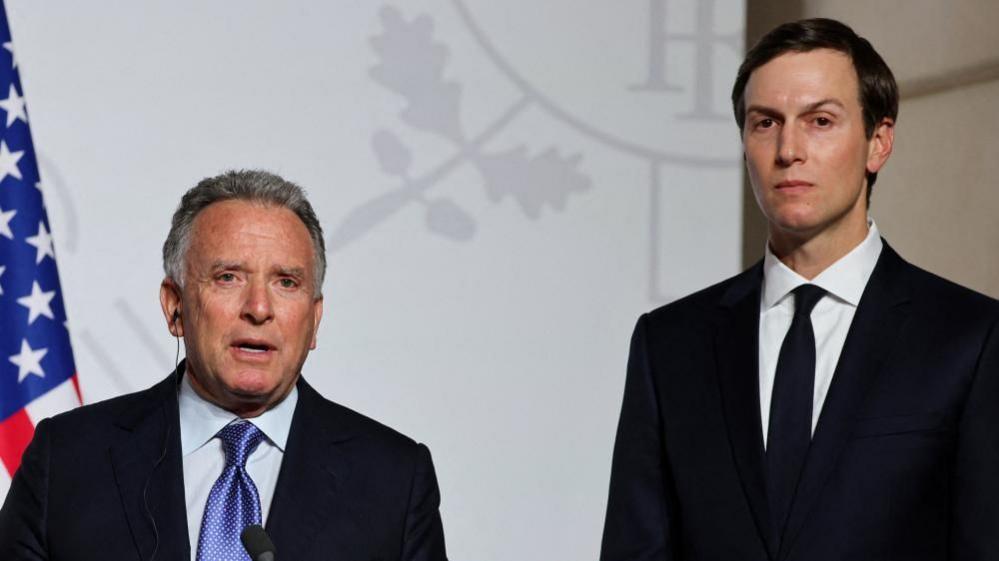
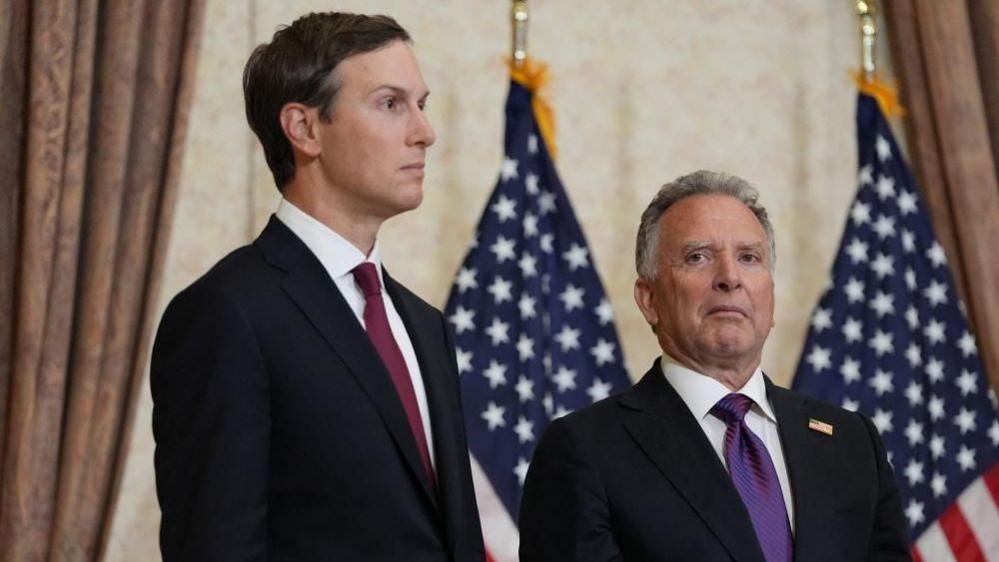
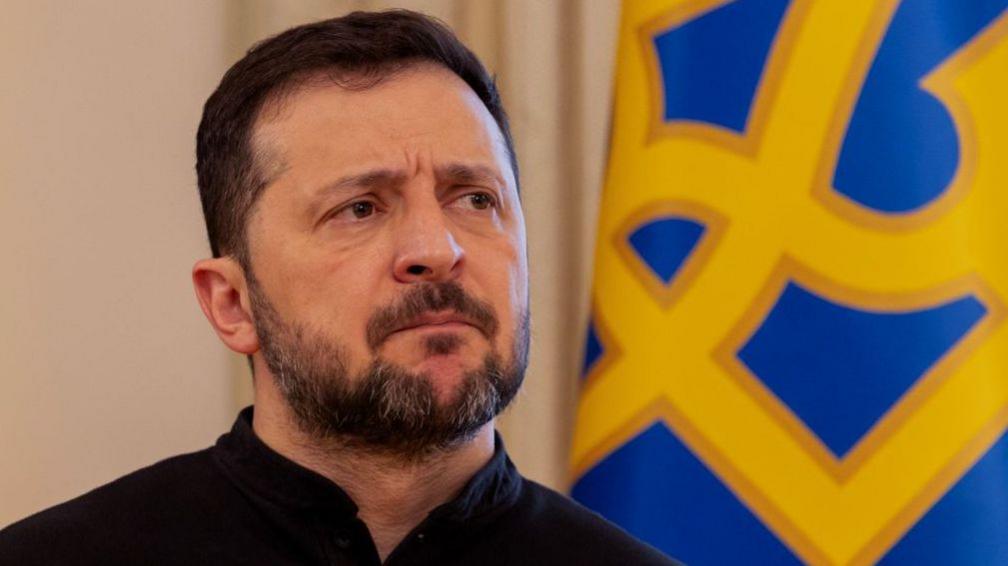
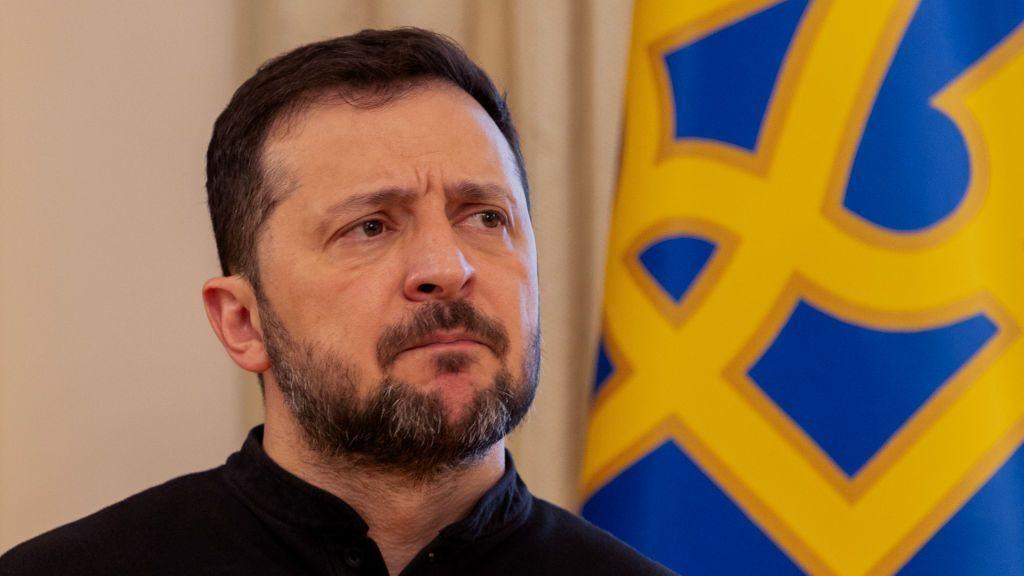
The meeting ran for several hours, with Ukraine’s President Volodymyr Zelensky greeting U.S. Special Envoy Steve Witkoff and Jared Kushner. Both parties, later joined by European advisers, claimed that substantive progress had been made, hinting at a revived trilateral framework that had stalled after the 2022 invasion.
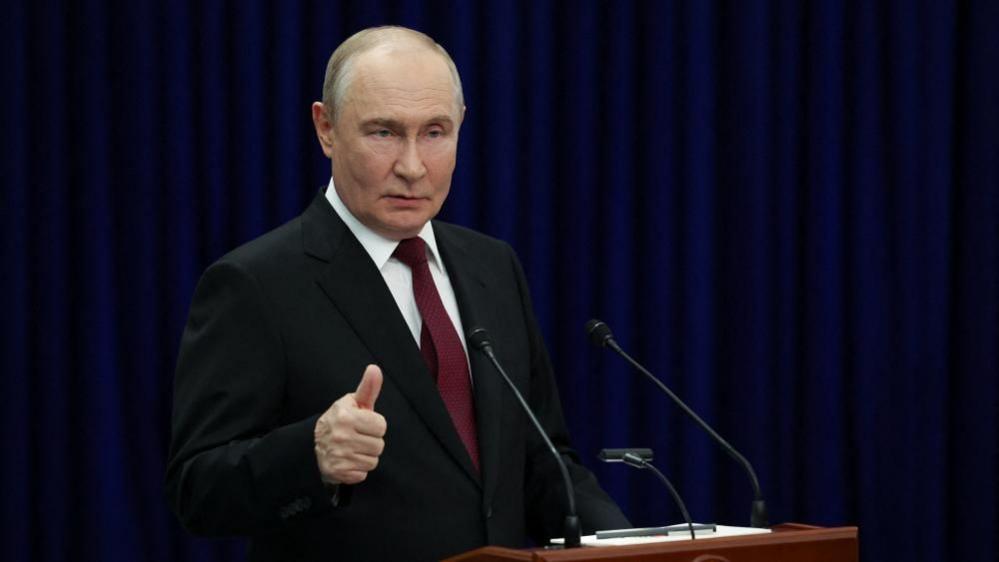
Yet the war’s core questions remained unresolved. In Moscow, Vladimir Putin told the envoys that Russia was making , Covenants, “tangible advances” on the battlefield. Ukraine, however, counters that, in August, it had taken more territory than it lost and that Russian forces suffered approximately 42,000 casualties or more. The two narratives illustrate the fork in the road, with Russia advocating for territorial concessions, NATO arbitration and army downsizing, while Ukraine maintains a firm stance on security guarantees and territorial integrity.
Zelensky made clear that any peace pact must include a sizable, modernized army and robust security commitments. He refused to cede any land in the Donbas region, a statement he characterised as a stubborn stance. In contrast, President Putin’s demands were framed as addressing the root causes of the conflict, a euphemism for strategic demands that Ukraine would find difficult to accept.
After the dialogue, both sides lauded the brief pause in air strikes, which granted the capital mass a respite. However, diplomats remain uncertain whether the conversation points to a tangible settlement, or merely a temporary lull before a hard winter of hostilities. Commentators suggest a window of opportunity could appear next spring, but sceptics warn that the fundamental disagreements may still keep the peace process stalled for months.