In brief
In late September, the United States and an interim Venezuelan administration signed a historic oil deal granting U.S. interests 100-year access to 17 Venezuelan fields worth 65 billion barrels. Trump heralds the pact as the "biggest oil deal" while Venezuelan Vice‑President Delcy Rodríguez calls it a historic economic boost. Critics—from U.S. policymakers to Venezuelan opposition—argue the terms betray national patrimony and open the door to new colonialism. Analysts warn that logistical challenges and a dire need for $100 billion investment could delay any immediate gains. The agreement remains a flashpoint in U.S.–Venezuela relations and global energy markets.
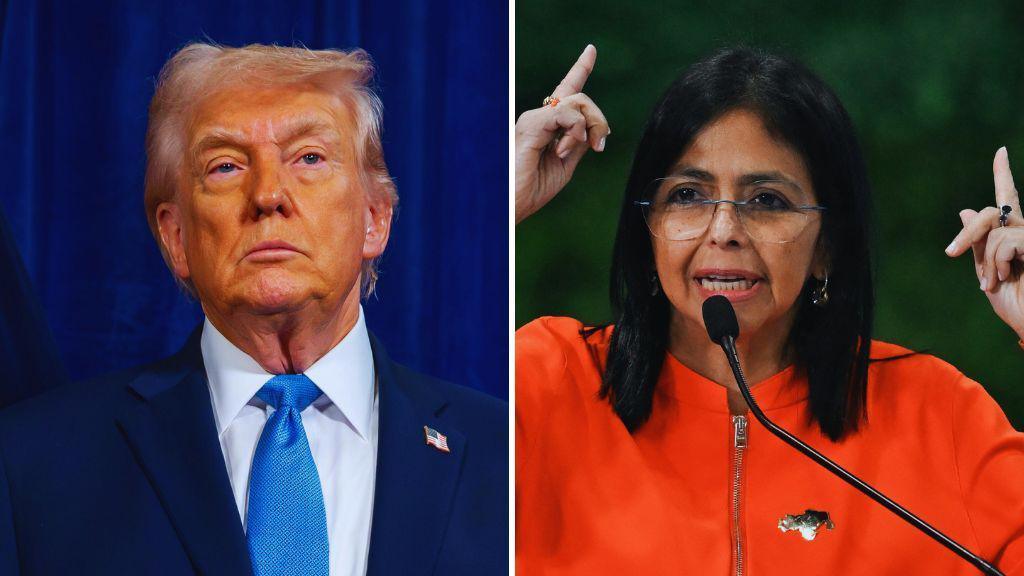
In a dramatic culmination of years of tension, a 100‑year concession granting U.S. interests control over ~65 billion barrels of Venezuelan oil was signed in Caracas. Trump touts the deal as "the biggest oil deal in world history", while interim Venezuelan President Delcy Rodríguez lauds it as a historic boost for the economy.
The agreement, made by a private company—North American Blue Energy Partners (Nabep)—features unprecedented U.S. veto rights over board appointments and mandates that a majority of the board be U.S. citizens, raising concerns of a new colonialism model.
Critics argue the terms are exploitative. Elliott Abrams, a former Trump adviser, called the contract "a terrible deal" that hands over 20 % of Venezuela’s national patrimony for "nothing". Even within Venezuela’s ruling PSUV, many see the pact as capitulation that opens the door for American dominance.
Supporters of the deal see it as a strategic pivot to relieve U.S. dependence on Middle‑East oil, especially amid sanctions‑driven price hikes. Interior Secretary Doug Burgum framed it as a shift of the "geopolitical centre of the global energy markets" toward the Western Hemisphere.
However, logistical challenges loom large. Energy analysts warn that Venezuela’s decimated infrastructure will require an eight‑to‑ten‑year, $100 bn investment to bring production back to historic levels—a timeline far longer than the administration’s two‑to‑three‑year profit projection.
Political backlash is intense. Opposition figures such as María Corina Machado and economist Ricardo Hausmann accuse the U.S. of supporting an "oppressive regime" and undermining democratic prospects. Former PDVSA head Rafael Ramírez warns that the deal essentially grants the U.S. a new colonial foothold.
The dispute over the oil agreement underscores a broader clash between U.S. strategic interests, Venezuela’s sovereign rights, and global energy security. Its outcome—whether a catalyst for economic revival or a precursor of new geopolitical domination—remains to be seen.