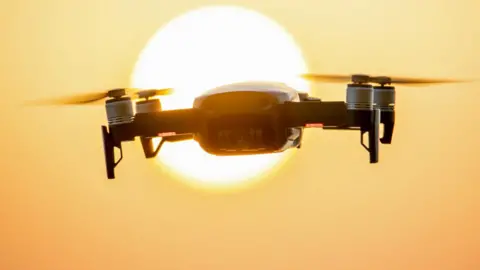
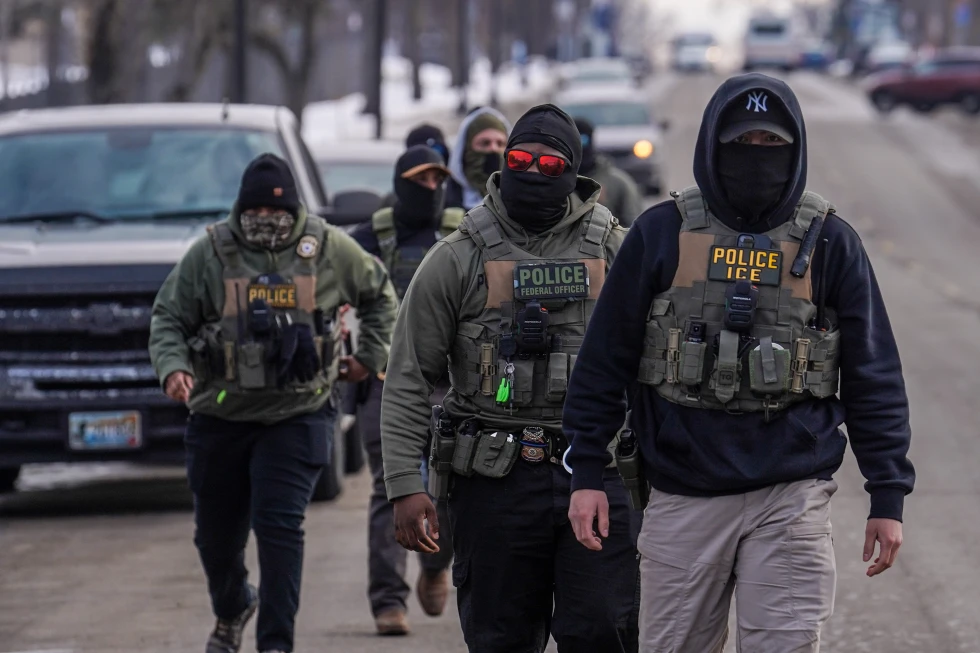
The US Department of Defense has taken action to disable drones that were part of an incursion over El Paso, Texas, subsequently lifting its order to shut down the area's airspace for 10 days. Transportation Secretary Sean Duffy assured the public that 'the threat has been neutralized, and there is no danger to commercial travel in the region.' The Federal Aviation Administration (FAA) had ordered a sudden halt to flights in and out of the El Paso International Airport until February 20, which led to confusion among residents and city officials. City Council member Chris Canales stated, 'Our community was scared,' highlighting the abrupt and shocking nature of the closure. The airspace restriction covered a 10-mile radius around El Paso, which is near the Mexico border infrastructure that has been utilized by cartels for surveillance operations. No advance notice of the airspace shutdown was provided to local governments or air traffic controllers, causing various disruptions, including delays in medical evacuation flights. Experts assert that drone activity has been routine in the area, used mainly for intelligence gathering related to human smuggling operations. The exact reasons behind the sudden incursion and airspace closure remain unclear.
Airspace Over El Paso Reopened After Drone Threat Neutralization
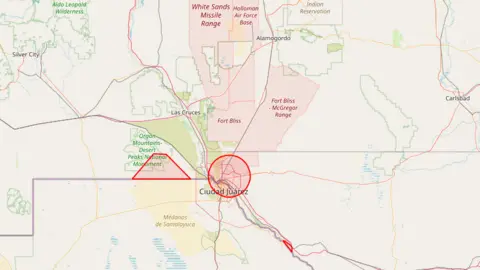
Airspace Over El Paso Reopened After Drone Threat Neutralization
The U.S. Department of Defense has reopened airspace over El Paso, Texas, following a drone incursion which prompted a temporary closure. Transportation officials have confirmed the threat has been neutralized.
El Paso's airspace has been reopened after a temporary shutdown due to a drone incursion involving the U.S. Department of Defense. Transportation officials announced the previous threats had been neutralized, allowing for commercial flights to resume. The swift closure caused confusion among residents and local authorities, raising questions about communication and the nature of the drone activity. Experts suggest that drones have been used primarily for surveillance and intelligence gathering by cartels across the border in Mexico.