In brief
The National Transportation Safety Board (NTSB) is set to provide critical insights into last January's midair collision near Washington, D.C., that resulted in 67 fatalities. This hearing could lead to significant changes in aviation safety protocols, as families of the victims advocate for improved regulations to prevent future tragedies. Key issues highlighted include inadequate flight routes for helicopters and lapses in FAA oversight.
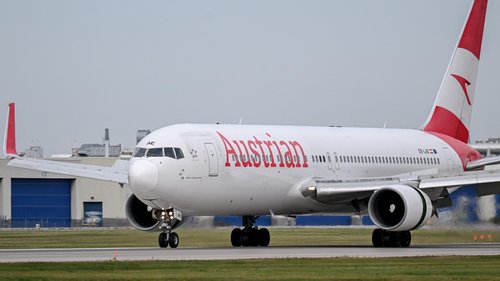
WASHINGTON (AP) – A consequential hearing on Tuesday seeks to clarify the critical factors that led to last January’s devastating midair collision between an American Airlines jet and an Army Black Hawk helicopter over Washington, D.C., resulting in 67 fatalities.
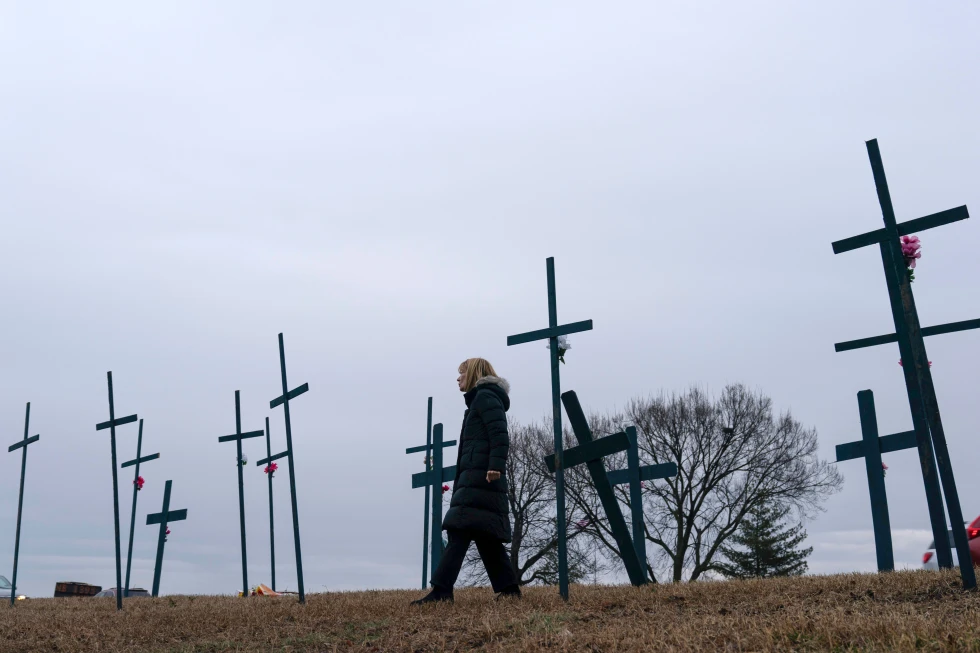
The tragedy, which occurred on January 29, 2025, marked the deadliest aviation accident on U.S. soil since 2001, when everyone aboard both the commercial flight from Wichita and the military helicopter perished, crashing into the icy Potomac River.
In response to the disaster, the Federal Aviation Administration (FAA) has already undertaken measures to ensure that planes and helicopters avoid sharing airspace above the nation’s capital, making certain changes permanent just last week. However, the NTSB is expected to propose additional recommendations during the hearing, which victims' families hope will lead to significant changes in flight safety regulations.
“I hope that we see a clear path through the recommendations they offer to ensure that this never happens again,” expressed Rachel Feres, whose cousin and his family were among the casualties. “That nobody else has to wake up to hear that an entire branch of their family tree is gone.”
The victims' relatives are committed to pressing Congress, the Army, and regulatory bodies to take swift action following the hearing. The NTSB’s earlier findings have indicated several contributing factors to the incident, including poor design of designated flight paths, failure of the Army’s helicopter to transmit its location and the FAA’s prior neglect of safety warnings.
While a significant number of notable aviation mishaps have occurred since this collision, statistics from the NTSB reveal a decline in total crashes nationwide, the lowest since the pandemic struck in 2020.