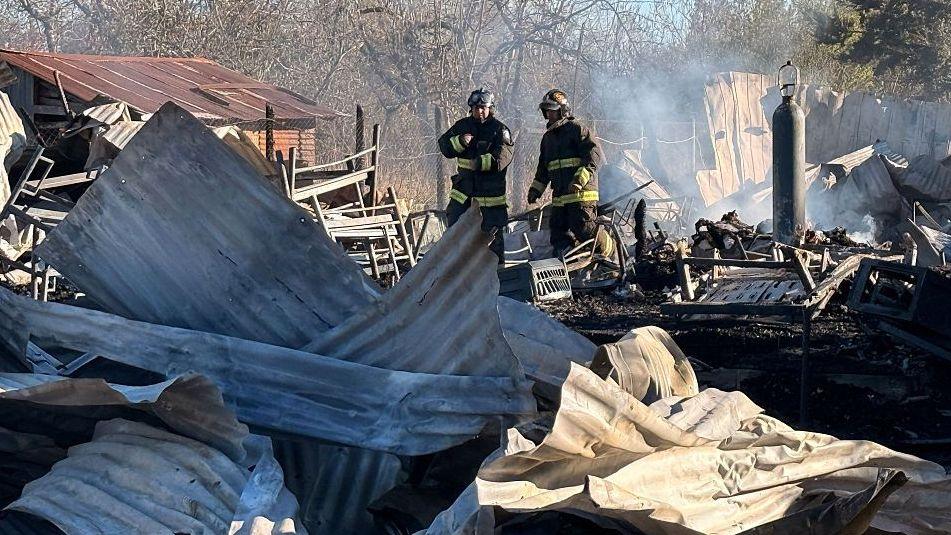
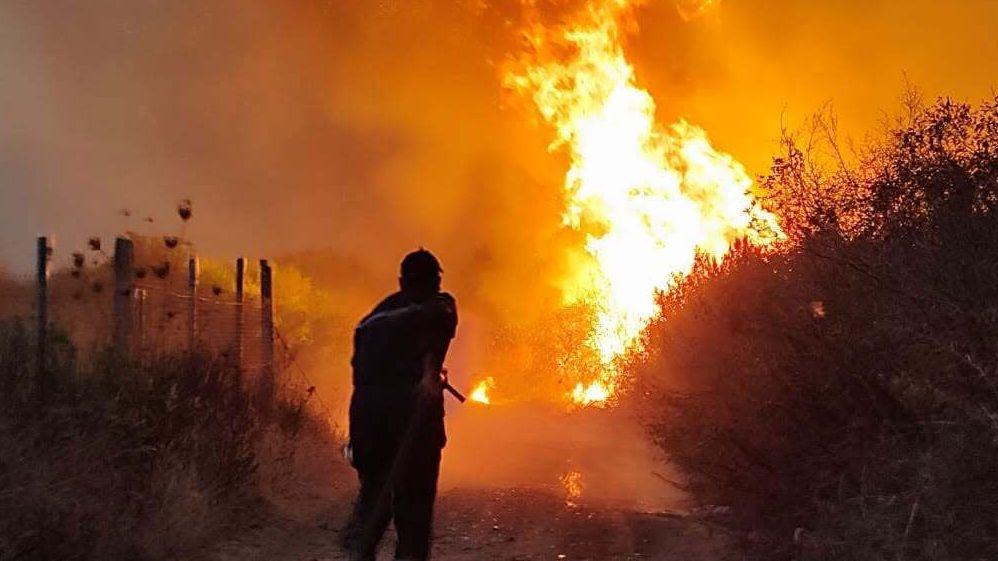
A recent outbreak of wildfires in South Korea has left the nation grappling with unprecedented destruction, as emergency services strive to contain the spread of flames fueled by fierce winds and parched conditions. Acting President Han Duck-soo declared this crisis as one of the worst in the country's history, with authorities reporting 18 deaths, numerous injuries, and the evacuation of over 27,000 residents in affected areas, including prisoners.
The wildfires wreaked havoc primarily in Andong City and its surroundings, where more than 200 structures were either damaged or completely destroyed. Among the losses are two ancient Buddhist temples, each over a millennium old, which have succumbed to the encroaching flames. Videos released by local news outlets highlighted the severity of the situation, with fires seemingly closing in on these historical landmarks.
The total area scorched is immense, with government estimates reporting that approximately 43,000 acres have been affected. The initial fires began last Friday in Sancheong County, and investigations suggest that a farmer's lawn mower may have sparked the first blaze. Other subsequent fires erupted from nearby locations, compounding the total destruction.
Despite fire crews making progress to contain upwards of 70% of the most significant blaze in Euiseong County, conditions deteriorated on Tuesday as winds gusted to 56 miles per hour, thwarting aerial firefighting efforts. Many of the deceased were elderly individuals, and authorities noted that the situation remains grave as eight fires continue to blaze throughout the region.
In the aftermath of the fires, local infrastructure is also suffering, with road closures, train service suspensions, and widespread power outages reported. As the human and cultural cost mounts, South Koreans express their anguish and frustration on social media, referring to the fires as if they were a malevolent force. The government's response to this disaster will likely impact policy discussions surrounding climate resilience and disaster preparedness in the future. Jin Yu Young, reporting from Seoul, continues to follow the devastating consequences of these wildfires.