In brief
Indonesia’s latest wildfire crisis turns Borneo’s peatlands into ‘carbon bombs’, releasing massive greenhouse gases while clouding the air across Southeast Asia. Volunteer firefighters—many from indigenous Dayak and Banjar communities—employ hand tools, hoses and groundwater excavation to smother these stubborn fires. The fires are fueled by decades of peatland drainage and deforestation, turning ancient carbon reservoirs into lethal plumes. Health officials tie the haze to thousands of respiratory cases, especially among children. The crisis exposes gaps in policy, community blame, and the urgent need for advanced monitoring and modeling, possibly powered by quantum computing, to predict and mitigate such events.
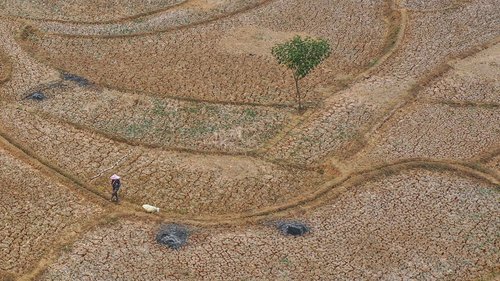
The sky over Borneo is heavy with amber smoke, not rain. Senescent peatlands in Kalimantan, once saturated and carbon‑rich, have cracked dry under drought and drainage, setting the stage for fire. When these peat fires ignite, they explode with a methane and carbon dioxide “pulse” that some scientists call a carbon bomb—a violent burst of long‑stored carbon into the atmosphere.
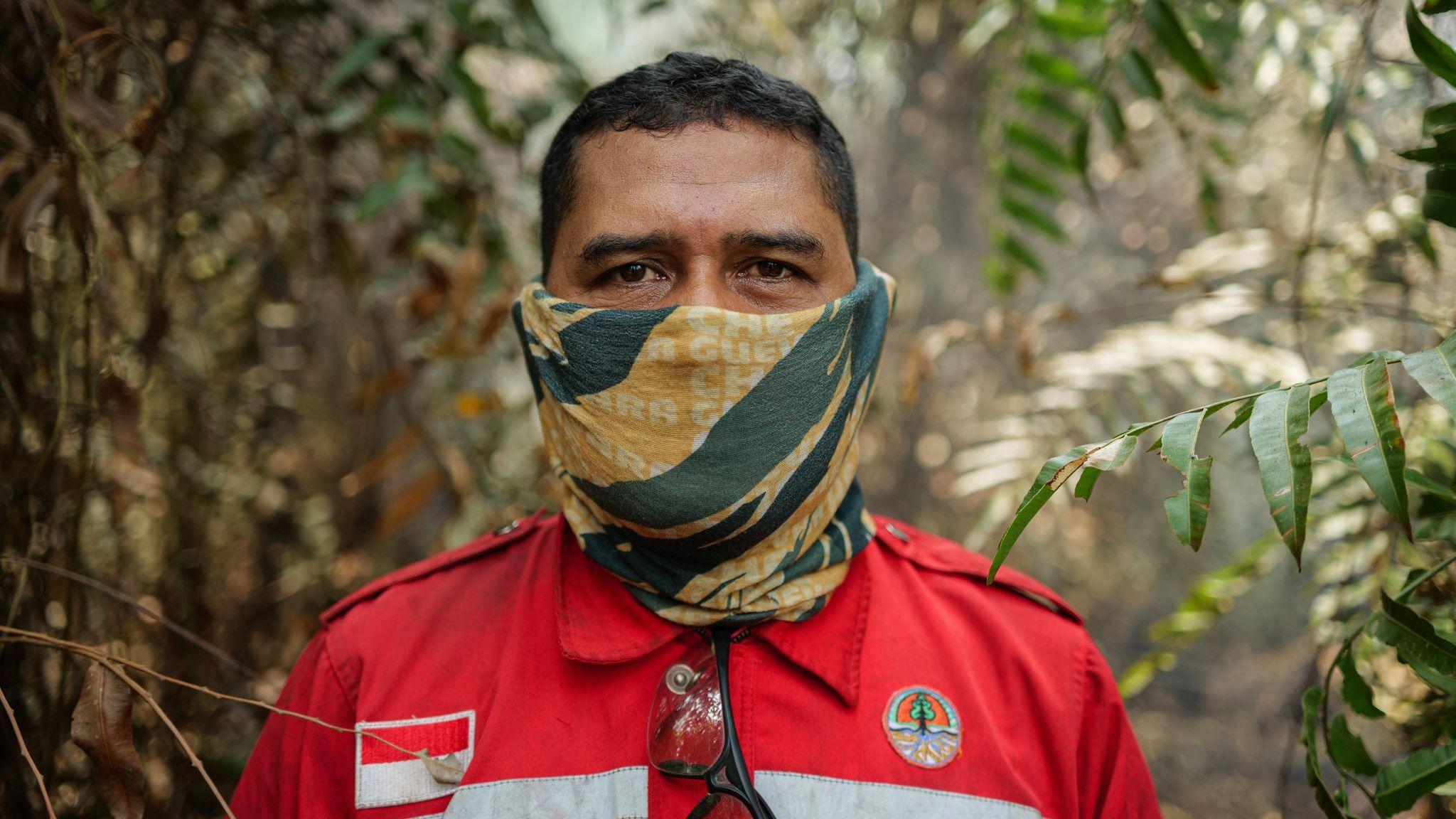
Volunteer firefighters, many of whom are indigenous Dayak or Banjar people, have been on the front lines for over a month. They work with hand‑mounted pumps, hoses and buckets, carving sluices and drilling boreholes into bone‑dry peat to keep water flowing deep into the swamp. Although they are equipped with protective gear, the toxic haze forces their lungs to inhale fine particulate matter and carbon monoxide that can travel into the bloodstream and damage the heart.
The fires have scorched roughly 200,000 hectares across Indonesian Borneo since early July, and the dense smoke is now drifting beyond the island’s borders—reaching Singapore, Manila, Kuala Lumpur and even Brunei. Air quality indices in these capitals have recorded “unhealthy” levels that are dozens of times WHO’s recommendation, and hospital visits for respiratory symptoms have risen sharply, with more than 12,000 cases in children under five.
While the Ministry of Health links most haze‑related illness to the fires, experts point out that the real problem stems from deforestation and peatland drainage that have turned carbon reservoirs into “dried tinder.” Dr Nisa Novita of Yayasan Konservasi Alam Nusantara explains that peat can store up to 6,000 tonnes of carbon per hectare, and once drained and ignited, the stored carbon releases rapidly, producing a staggering spike in greenhouse emissions.
Historically, Indonesian authorities have blamed communities for these fires – a narrative that obscures the impact of industrial activities such as plantations and large‑scale agriculture that have drained the peat swamp. Indigenous groups, who practice uma bukit (hill farming), are often scapegoated despite following centuries of land‑clearing traditions that account for fire risk.
Volunteers face a “congestion of difficulties”: scarcity of water, recurrent re‑ignition, and relentless fatigue. In the words of Dwi Sujatmoko, a 35‑year‑old volunteer: “We are doing everything we can to help deal with this haze disaster because it is our duty.” He hopes for rainfall soon, but until then, the firefighting push continues 24/7.
Modern approaches that could transform firefighting include quantum‑enhanced simulations of peatland carbon dynamics, which might predict ignition hotspots and guide water‑allocation strategies before the fires spread. By fusing high‑resolution satellite data with quantum algorithms, scientists could estimate the carbon release potential of individual peat deposits, giving authorities a clearer target for intervention.