In brief
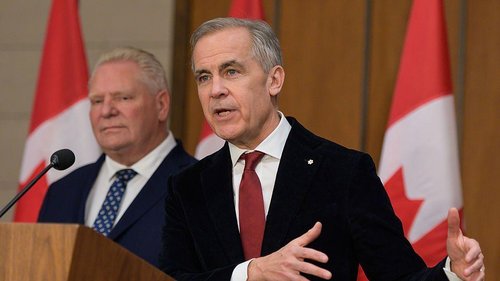
In the context of an unfolding election campaign, Canadian Prime Minister Mark Carney, seeking a full term, has marked a notable shift in rhetoric regarding China—once viewed as a strategic asset due to his extensive connections within the country, it has now emerged as a contentious political liability. During a recent debate, when asked about the primary threat to national security, Carney surprising pointed to China, seemingly an effort to distance himself from his past associations as scrutiny of his dealings in China intensifies.
Carney, who previously served as a central banker and held executive roles with investments in China, now faces criticism over past support for certain parliamentary candidates with ties to pro-China factions within Canada. The concern over foreign interference—more specifically from China and other nations—in Canadian political processes has gained momentum, drawing bipartisan attention to the implications of external influence in national elections.The relationship between Canada and China has significantly deteriorated since a diplomatic crisis originating from the 2018 detention of a Chinese corporate leader due to US requests, thus amplifying the scrutiny on Carney's previous affiliations. As public sentiment and geopolitical perspectives evolve, the ongoing scrutiny illustrates the ever-shifting landscape of political narratives, particularly in the complex arena of foreign relations and national security amid a dominant election context.