
In brief
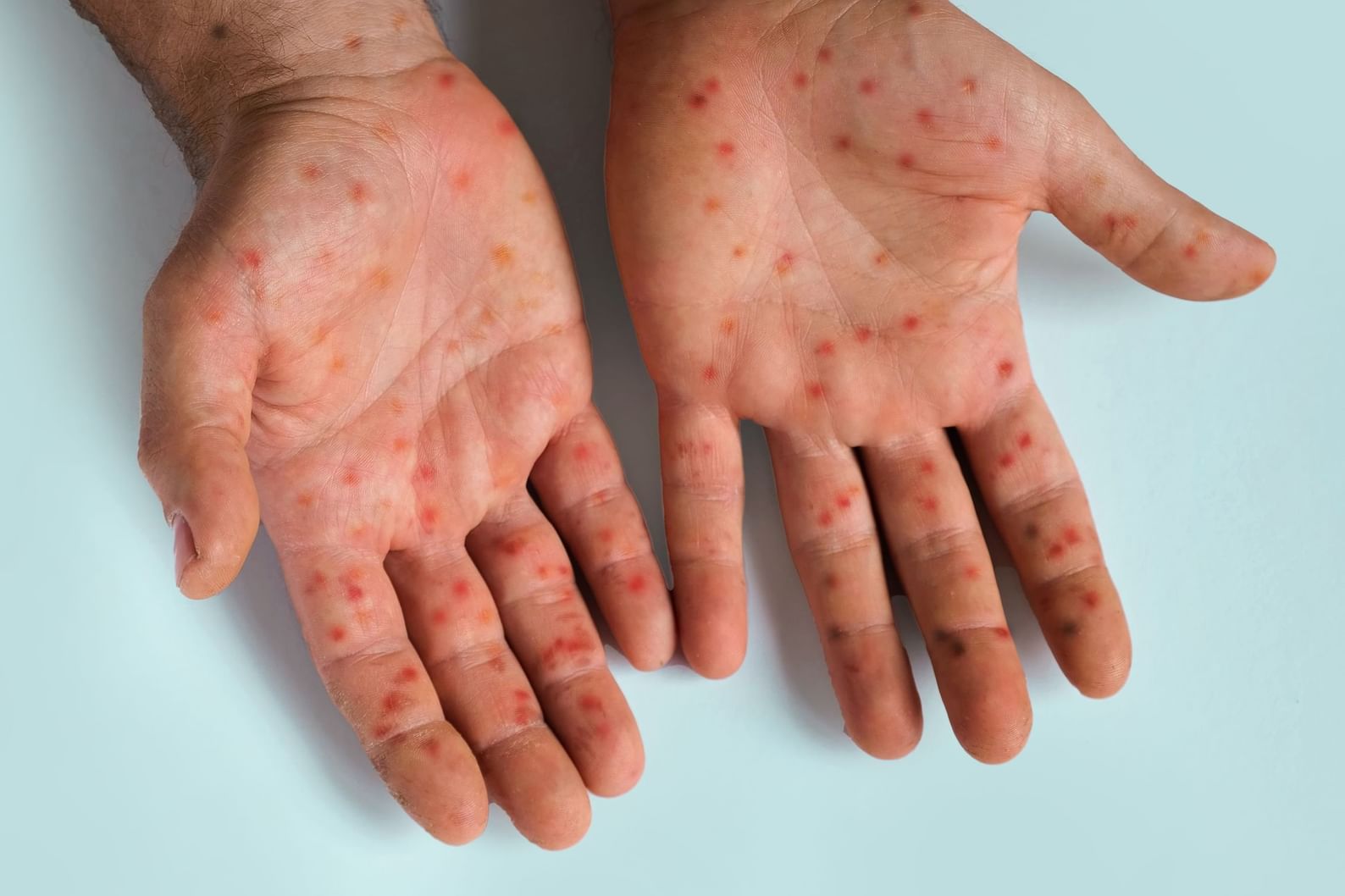
The Ebola outbreak in the Democratic Republic of the Congo has reached a death toll exceeding 5,300, with the rare Bundibugyo strain responsible for more than 10,000 infections across the country, Kenya, and Uganda. Africa’s Centre for Disease Control reports a fatality rate over 50 percent, and no licensed vaccines or therapeutics exist for this strain. Clinical trials underway involve the Ervebo vaccine designed for the Zaire Ebola virus.
The Ebola outbreak in the Democratic Republic of the Congo (DRC) has surpassed 5,300 deaths, according to the latest data from the Africa Centres for Disease Control and Prevention (Africa CDC). Beginning in mid‑May, the outbreak has been fueled by the Bundibugyo strain, a rare variant of the virus, which infected more than 10,444 people in the DRC, Kenya, and Uganda, with a fatality rate exceeding fifty percent.
The Bundibugyo strain is distinct from the more common Zaire strain, and current science has not yet produced an approved vaccine or therapeutic treatment for it. The outbreak still relies on passive containment measures and traditional Ebola treatment protocols, which have proven less effective against this variant’s high lethality.
Within the DRC, Africa CDC data report 5,372 confirmed deaths. Two deaths each occurred in Kenya and Uganda, bringing the global total to 5,376. Kenya saw its first recorded Ebola case in October, when the country reported nine infections and one death. Uganda, which recorded twenty cases earlier in the year—most of them travelers from the DRC—was declared Ebola‑free in August, after a shutdown of new cases.
Cross‑border transmission has been a hallmark of this outbreak. According to Africa CDC, individuals who had traveled from the DRC account for nearly all cases outside the country. Reports from Nigeria, Africa’s most populous nation, indicated that two suspected cases tested negative, while France reported a single case involving a health worker returning from the DRC in July.
The DRC intervened swiftly by declaring the epidemic its seventeenth and largest. The country’s Health Ministry has mobilized provincial health teams, isolation units, and mobile vaccination squads, yet no targeted countermeasure exists for Bundibugyo, insightting the international community toward urgent research needs.
In absence of licensed countermeasures, clinical development of the Ervebo vaccine, registered for the Zaire strain, has opened trials in the region. The vaccine’s effectiveness has been shown in earlier outbreaks, but its applicability to Bundibugyo remains to be determined. Researchers at the Institut de Protection Contínelle, in partnership with the World Health Organization, have begun enrolling participants in a phase‑II study to assess cross‑protective immunity.
Scientists emphasize the need to refine surveillance data obtained from Africa CDC. The Centre’s dataset harnesses laboratory confirmations, field investigations, and digital reporting tools. It supplies real‑time figures that enable researchers to track the spread, measure the case–fatality ratio, and model potential containment scenarios.
Taking a precautionary stance, African Union health officials have urged neighboring governments to enforce strict border screening and to place travelers from the DRC under quarantines. Uganda’s Ministry of Health, for instance, recently instituted a 21‑day quarantine for any citizen returning from the DRC, a step underscored by the latest WHO guidance on Ebola control.
Globally, the outbreak reignites concerns about unlicensed Ebola strains. Experts such as Dr. Amina Chouda of the United Nations Office on Drugs and Crime warn that Bundibugyo’s high mortality rate and lack of treatment options could destabilize healthcare infrastructure, particularly in regions already burdened by conflict and limited resources.
At the same time, the epidemiological curve shows few new cases in recent weeks, suggesting that containment measures might be curbing the epidemic. However, analysts caution that the current data are provisional, and any future resurgence could be rapid, given the virus’s capacity for swift cross‑border spread.
The global health community has convened emergency meetings to assess resource allocation, with priority directed to supporting the African CDC’s data integration and ensuring rapid deployment of experimental therapies. Funds are being earmarked for future vaccine development that encompasses multiple Ebola lineages, including Bundibugyo, in preparation for any emergent strains.
For now, the focus remains on scaling up rapid diagnostic testing, offering early supportive care, and strengthening public health communication to reduce fear and stigma. The numbers—over five thousand deaths, a 50‑plus percent fatality rate—serve as stark evidence that bundling containment with therapeutic research is essential to halt a truly lethal Ebola lineage.
In the absence of a proven cure or vaccine for Bundibugyo, the international community faces a clear imperative: to combine rigorous data collection with accelerated clinical trials, thereby reining in the virus before it can spread beyond the current borders. The weight of the statistics underscores the urgency of coordinated response and the critical role that accurate, real‑time surveillance plays in protecting public health.