In brief
Artificial intelligence is taking hold in Dubai’s financial ecosystem, with the Dubai International Financial Centre reporting that more than 70% of its firms now use AI and 64% use generative models. Emirates NBD has committed about half of its technology budget to AI, developing over 50 use cases that include fraud prevention and customer service, and a trial on debt‑collection accounts cut processing time by 15%. DFSA officials highlighted frontier and agentic AI as drivers of cyber resilience and a growing trend in tokenised asset management. The rapid AI uptake underscores Dubai’s ambition to strengthen efficiency, enhance security, and attract sustainable global investment.
Artificial intelligence has become a cornerstone of corporate strategy across the Dubai International Financial Centre (DIFC), with more than 70% of its firms now integrating AI technologies into daily operations. Generative AI, which enables machines to produce new content such as text or images, is used by 64% of these firms – a leap from the 30% benchmark noted just a few years earlier.
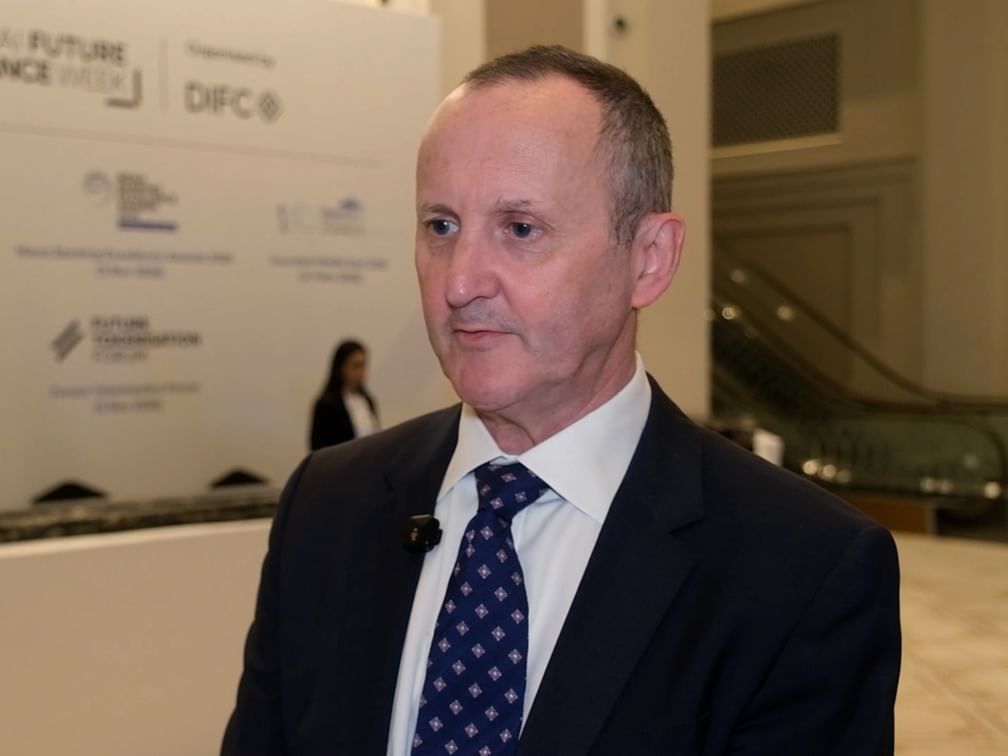
The surge in AI adoption reflects an institutional push by the Dubai Financial Services Authority (DFSA). Chief Executive Mark Steward highlighted that the authority’s own reporting indicates rising use of frontier and agentic AI – terms describing systems that can autonomously adapt and possibly self‑direct to achieve business goals – alongside concerted efforts to improve cyber resilience. A DFSA‑commissioned survey on financial asset tokenisation also underscores the sector’s move toward blockchain‑based solutions.
Amid this broader trend, Emirates NBD has designated roughly 50% of its technology budget to AI initiatives. Group Head of Strategy and Analytics Neeraj Makin noted that the bank is developing more than 50 distinct AI use cases, spanning fraud prevention, intelligent customer service, and transaction optimisation. A recent pilot that tested AI against human agents on 4,000 debt‑collection accounts demonstrated a 15% boost in productivity for the AI‑handled half, illustrating tangible operational benefits.
DFSA’s focus on frontier and agentic AI echoes the banking sector’s ambition to move beyond rule‑based systems. By integrating adaptable, self‑learning models, firms can better manage risk, streamline compliance workflows, and protect infrastructure against evolving cyber threats. The DFSA’s emphasis on these advanced paradigms signals regulatory support for integrating cutting‑edge AI into core financial services.
Supporting the narrative, Mohammed Al Hakim, Vice Chairman of the MultiBank Group, stated that Dubai has transformed into a global financial innovation hub. He cited the group’s relocation from the United States in 2021 and notes trading volumes of approximately US$500 billion in a single month. Al Hakim added that AI integration has reinforced trading and interbank operations, and that the group will continue to develop technology solutions from Dubai for international clients, further cementing the city’s role in the global financial technology landscape.
Collectively, the data depict a market where AI is not merely an optional add‑on but a fundamental component of competitiveness, efficiency, and resilience. The 70% adoption threshold, supported by institutional funds, advanced AI models, and regulatory frameworks, positions Dubai’s financial centre to attract investment that prioritises sustainable and technologically robust ecosystems.