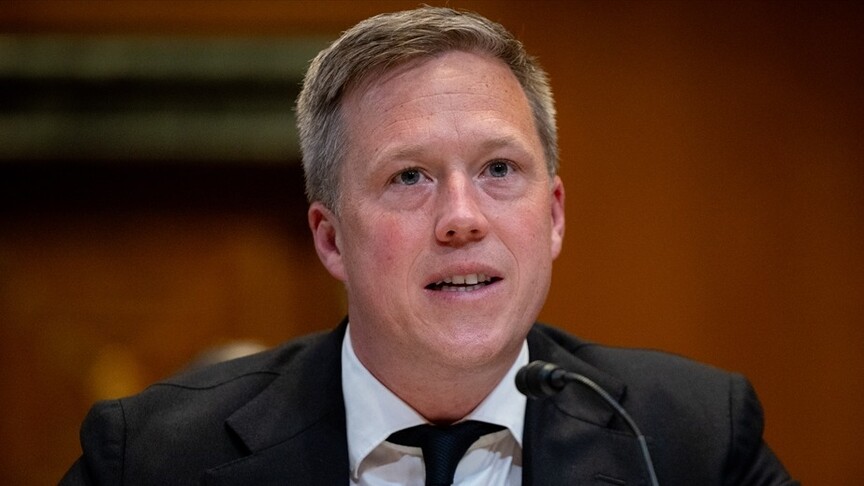
OpenAI announced on November 2, 2026 that former United States Army Secretary Dan Driscoll would join the company as senior counselor for national security modernization, a newly created position focused on advancing the responsible use of artificial intelligence in national security, cybersecurity and defense operations. The appointment, announced in Washington, will see Driscoll collaborate with OpenAI’s senior leadership, government officials, industry executives, academic institutions and international partners to identify opportunities for advanced AI to strengthen national security capabilities, particularly among the U.S. and its allies.
The senior counselor role will place Driscoll at the intersection of policy, technology and operational practice, advising public‑ and private‑sector partners on modernizing strategies to incorporate AI into national security operations. He will also help OpenAI’s internal teams better understand the operational requirements and challenges facing national security institutions around the world, according to the company’s announcement.
OpenAI CEO Sam Altman welcomed the appointment, highlighting the importance of international cooperation in shaping the future of artificial intelligence. “AI should give people more power over their lives and people should have a say in how it’s developed,” Altman said, emphasizing the need for inclusive AI governance. This statement reflects OpenAI’s ongoing commitment to ethical AI use across diverse sectors.
Driscoll’s appointment follows a four‑year tenure as the 26th Secretary of the United States Army, during which he oversaw the service’s operations, modernization programs and resource allocation. His resignation in 2026 followed reported disagreements with Defense Secretary Pete Hegseth over Army leadership and modernization priorities. The move to OpenAI has been framed as a way for Driscoll to help military personnel and national security institutions benefit from rapidly advancing technology in a responsible manner.
“I’m joining OpenAI to help the United States and our allies put this technology to work responsibly, for the people who keep us safe,” Driscoll said in a statement released by the company. By joining forces with a company that has led breakthroughs in large‑scale language models and has a track record of engagement with public policy, Driscoll aims to translate AI research into actionable tools for defense organizations.
International news outlets, including the Financial Times and Reuters, reported on the appointment, noting that the position is the first of its kind at a major deep‑learning organization. The article from Reuters, though not providing extensive details, confirmed that Driscoll will serve as senior counselor for national security modernization and advise OpenAI’s leadership and collaborate with external partners on how AI can be effectively integrated.
This appointment comes at a time when AI technologies are rapidly influencing both offensive and defensive military capabilities. By harnessing AI to augment situational awareness, threat analysis and decision‑making, the U.S. and allied forces anticipate improved operational resilience. Driscoll’s experience in military modernization and procurement uniquely positions him to assess how AI can be integrated without compromising safety or ethics.
Nonetheless, the rapid deployment of AI in defense contexts raises questions about transparency, accountability and alignment with broader humanitarian law. OpenAI has signaled that its partnership with Driscoll will prioritize responsible AI and adherence to international standards, while exploring collaboration with global partners to ensure a coordinated approach to national security modernization.
Overall, OpenAI’s appointment of Dan Driscoll marks a significant step toward embedding responsible artificial intelligence in national security frameworks, bringing a veteran defense executive into the heart of one of the world’s leading AI research organizations.