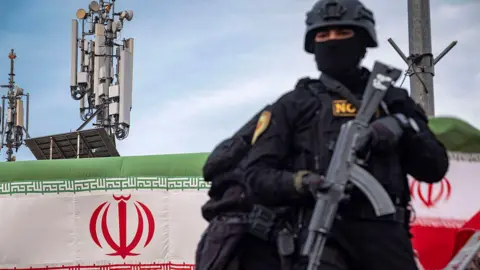
Iran is now in its tenth day of one of the most extreme internet shutdowns in history, leaving 92 million citizens without internet access, affecting phone and text message services as well. The Iranian government initiated these measures on January 8th, presumably to stifle dissent and curb international scrutiny of its actions against protesters.
Iranian Foreign Minister Abbas Araghchi stated that the shutdown was a response to what he termed externally directed terrorist operations. However, there's growing speculation that the government's plans may extend beyond a temporary measure, indicating potential intentions to implement permanent restrictions on internet access.
Reports suggest that a government spokesperson has indicated that international access may not be restored until after the Iranian New Year in late March. Internet monitoring groups, such as FilterWatch, posit that authorities could be moving towards a system that restricts access permanently, with users possibly needing to apply for internet access.
Iran has a history of maintaining strict control over internet usage, frequently blocking Western social media platforms. The current shutdown is part of a larger trend where similar measures were introduced to mask state violence during protests in 2019 and 2022.
While there have been attempts to communicate about the shutdown's potential longevity, analysts caution that internal power dynamics and economic pressures may influence the actual implementation of these restrictive measures.
As tension within the country rises, reports indicate significant impacts on daily lives and economic activities, including the closure of e-commerce platforms. Moreover, over 24,000 protester arrests have been noted, and the death toll among demonstrators during this latest wave of protests has climbed over 3,300.
The implications of this digital isolation echo tactics employed by authoritarian regimes in China and Russia, further complicating the landscape for internet freedom in the region.