Myanmar has denied committing genocide against the Rohingya people, asserting that The Gambia has failed to provide adequate proof, as it began its defense at the UN's top court.
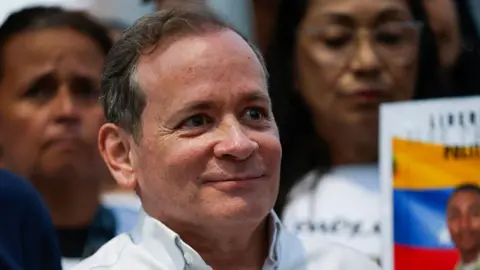
Ko Ko Hlaing, a representative of the Myanmar government, stated before judges at the International Court of Justice (ICJ) that the allegations were unsubstantiated. Earlier this week, The Gambia's foreign minister, Dawda Jallow, accused Myanmar of seeking to erase the minority Muslim population through genocidal policies.
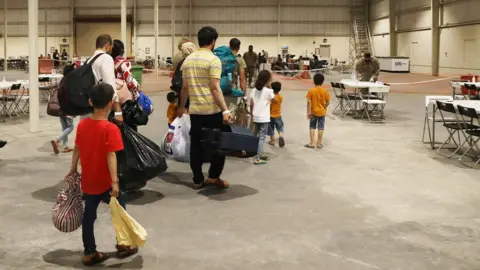
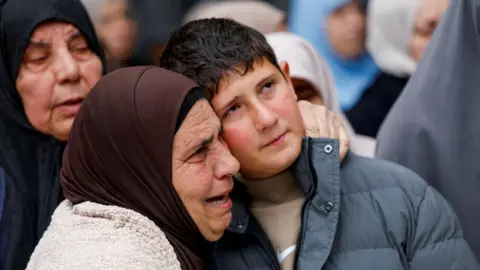
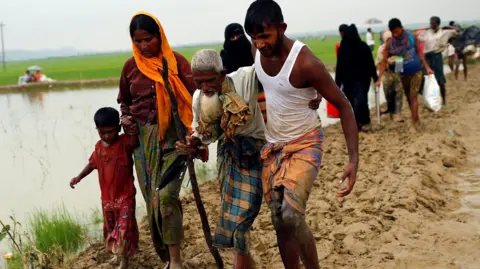
The military crackdown in 2017 resulted in the deaths of thousands of Rohingya and forced over 700,000 to flee to Bangladesh. A damning UN report suggested that senior military figures in Myanmar should be investigated for genocide and crimes against humanity.
Despite the severe implications of the case, Myanmar, under military rule since the overthrow of its civilian government in 2021, continues to refute the claims, arguing its operations targeted militant threats.
On Friday, Hlaing asserted that Myanmar is not obliged to passively allow terrorists to roam in the northern Rakhine state, home to the majority of the Rohingya. He contended that the military actions were necessary counter-terrorism measures.
The Gambia initiated its lawsuit against Myanmar in 2019, claiming a moral responsibility based on its past with military governance. Jallow described the Rohingya as having endured decades of persecution revealed by unrelenting military actions that can be classified as genocidal.
With more than a million Rohingya refugees currently in Bangladesh, their plight has drawn global attention. The ICJ proceedings will continue, with a final decision anticipated in late 2026, which could set essential precedents in international law regarding genocide.