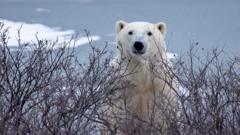
In Churchill, Manitoba, the balance between polar bears and human residents is increasingly strained due to climate change-induced challenges. Here, thirteen-year-old Tee shares survival advice about close encounters with polar bears, stressing the importance of standing your ground against a charging bear. With signs advising vigilance scattered throughout the town, spotting a polar bear is becoming an all-too-familiar reality for locals.
Churchill, positioned on the Hudson Bay, experiences annual cycles where melting ice prompts polar bears to come ashore, awaiting refreeze to hunt seals. Alysa McCall from Polar Bears International (PBI) notes a disturbing trend— a near 50% decline in the polar bear population since the 1980s due to warming temperatures leading to a longer ice-free period.
The bears now spend significantly more time on land, which initiates increased pressure on pregnant mothers, ultimately impeding the future of polar bear cubs. While long-term survival remains uncertain, the local economy thrives on polar bear-related tourism. Scientists and visitors venture out in tundra buggies to safely observe the bears' natural behavior.
Recent encounters highlight the complex relationship that exists here; scientists equip a radar system affectionately dubbed "bear-dar" to detect polar bears, emphasizing the need for safety amidst growing risks. Rarely do polar bear attacks occur, but an alarming incident earlier this year resulted in the death of a worker in Nunavut, highlighting the risks inherent in cohabitating with these apex predators.
To ensure community safety, Churchill has instituted a polar bear alert team dedicated to monitoring bear movements. These trained rangers track and safely relocate bears that linger too close to town using live traps, seeking to maintain a delicate balance. Following the last fatal bear attack in 1983, this team’s preventive efforts have kept the public safe.
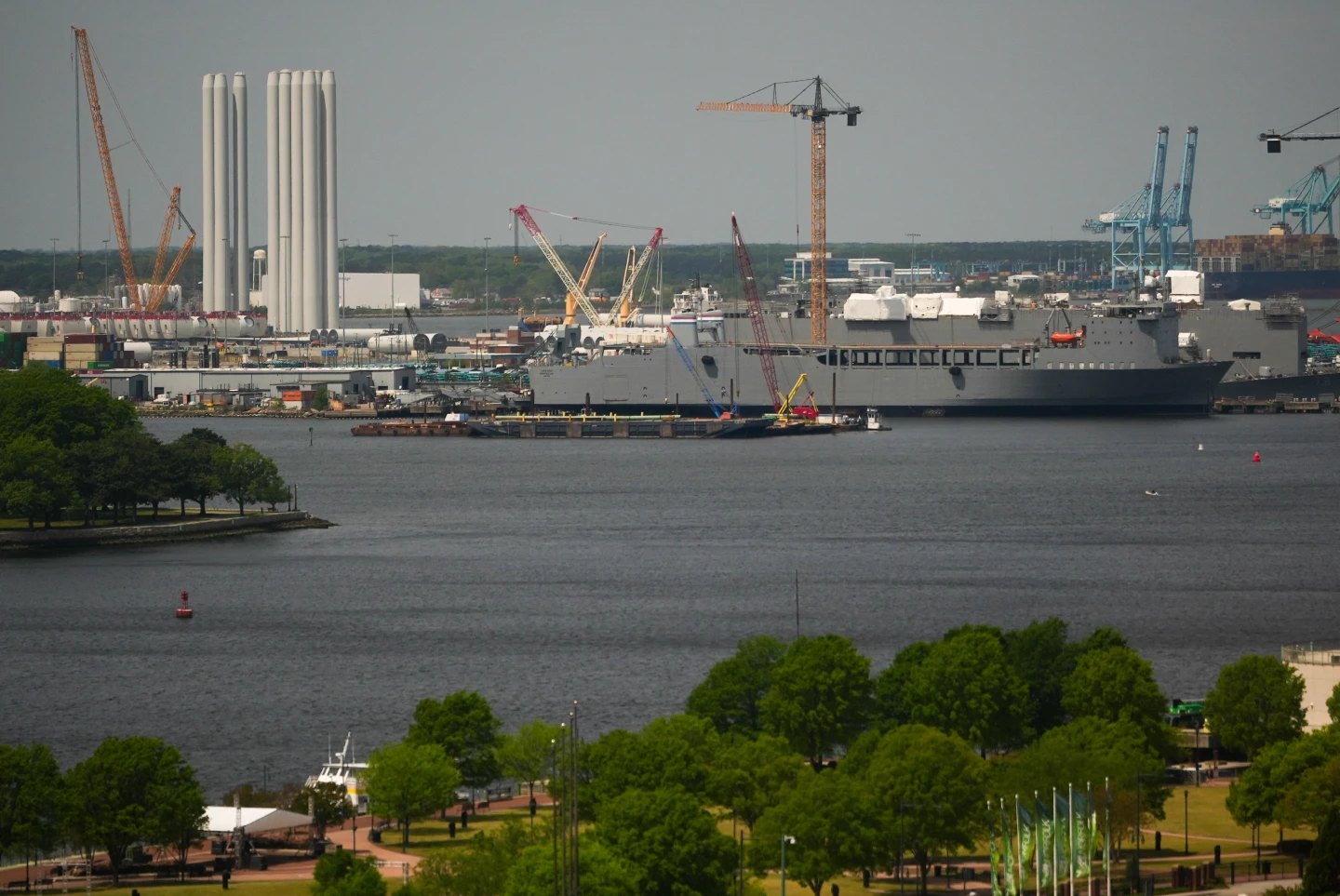
Local advancements also extend to scientific studies, as exemplified by the new Churchill Marine Observatory. Researchers are investigating the Hudson Bay's environmental response to climate changes and exploring the implications on local shipping routes impacted by diminishing ice coverage.
Despite these challenges, Churchill's mayor, Mike Spence, focuses on adaptation and resilience in the face of climate uncertainties. He envisions potential economic benefits stemming from changing conditions, optimistic about increased shipping activity and growing tourism connections to wildlife experiences.
However, the future of polar bears in the area remains uncertain. As Tee's peer Charlie laments, continued climate change could severely diminish the presence of polar bears in their habitat. As the community navigates these complexities, everyday life revolves around ensuring safety and adapting to the shifting landscape marked by thawing ice and elusive bears.