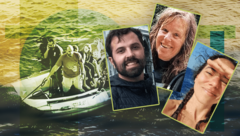
The survivors of the tragic sinking of the dive boat Sea Story in the Red Sea are speaking out against what they describe as a systemic effort by Egyptian authorities to downplay the tragedy. The boat, which sank in the early hours of 25 November last year, was carrying 46 people, resulting in four confirmed deaths and seven individuals, including two British divers, still unaccounted for.
According to the 11 survivors who shared their accounts with the BBC, they were subjected to intense pressure from investigators to sign official witness statements translated into Arabic by a company employee—an act survivors deemed a blatant conflict of interest. Concerns were raised as they reported being handed waivers in which they were pressured to state they would not accuse anyone of "criminal wrongdoing."
One survivor, Norwegian police investigator Frøydis Adamson, expressed her distress over not understanding what she was signing in Arabic. "They could have written anything. I don't know what I signed," she told the media. The various accounts highlighted a troubling pattern where investigators seemed uninterested in gathering truthful witness testimonies about safety concerns on board.
Justin Hodges, an American diver, recounted how he too was misled, believing the person seeking his witness statement was an official, only to later discover that he was an employee of the boat company. Survivors have even alleged they were denied copies of their statements and saw critical safety issues omitted from the documentation—even as they relayed dire concerns about their harrowing experience and the vessel's conditions.
The authorities have faced criticism for their insistence that a "huge wave" was responsible for the sinking, despite evidence from a prominent oceanographer suggesting otherwise. Survivors noted that they were told they would only be taken seriously if they could name specific individuals at fault, a directive that many found baffling.
Even as survivors attempted to leave for Cairo, they were confronted with attempts to secure their signatures on liability waivers, leaving them feeling manipulated. Amidst confusion and shock from the disaster, they raised alarms about not having proper documentation and the Egyptian government's responses which they characterize as misleading and dismissive.
The investigation's lack of transparency has escalated calls for accountability and an open inquiry into the incident. Families of those still missing, like the British couple Jenny Cawson and Tarig Sinada, have expressed frustration over vague and inconsistent reports, urging a full investigation rather than what they perceive as a cover-up designed to protect Egypt's tourism industry.
A previous report by Maritime Survey International revealed serious safety inadequacies in Egypt's dive boat industry, emphasizing a troubling lack of regulation and oversight that has left countless vessels operating without essential safety measures.
As the investigation unfolds, survivors eagerly await answers while advocating for safety reforms within the diving tourism sector in Egypt to ensure others are spared from their tragic ordeal.
According to the 11 survivors who shared their accounts with the BBC, they were subjected to intense pressure from investigators to sign official witness statements translated into Arabic by a company employee—an act survivors deemed a blatant conflict of interest. Concerns were raised as they reported being handed waivers in which they were pressured to state they would not accuse anyone of "criminal wrongdoing."
One survivor, Norwegian police investigator Frøydis Adamson, expressed her distress over not understanding what she was signing in Arabic. "They could have written anything. I don't know what I signed," she told the media. The various accounts highlighted a troubling pattern where investigators seemed uninterested in gathering truthful witness testimonies about safety concerns on board.
Justin Hodges, an American diver, recounted how he too was misled, believing the person seeking his witness statement was an official, only to later discover that he was an employee of the boat company. Survivors have even alleged they were denied copies of their statements and saw critical safety issues omitted from the documentation—even as they relayed dire concerns about their harrowing experience and the vessel's conditions.
The authorities have faced criticism for their insistence that a "huge wave" was responsible for the sinking, despite evidence from a prominent oceanographer suggesting otherwise. Survivors noted that they were told they would only be taken seriously if they could name specific individuals at fault, a directive that many found baffling.
Even as survivors attempted to leave for Cairo, they were confronted with attempts to secure their signatures on liability waivers, leaving them feeling manipulated. Amidst confusion and shock from the disaster, they raised alarms about not having proper documentation and the Egyptian government's responses which they characterize as misleading and dismissive.
The investigation's lack of transparency has escalated calls for accountability and an open inquiry into the incident. Families of those still missing, like the British couple Jenny Cawson and Tarig Sinada, have expressed frustration over vague and inconsistent reports, urging a full investigation rather than what they perceive as a cover-up designed to protect Egypt's tourism industry.
A previous report by Maritime Survey International revealed serious safety inadequacies in Egypt's dive boat industry, emphasizing a troubling lack of regulation and oversight that has left countless vessels operating without essential safety measures.
As the investigation unfolds, survivors eagerly await answers while advocating for safety reforms within the diving tourism sector in Egypt to ensure others are spared from their tragic ordeal.