The Build America, Buy America Act has a promising name and the noble goal of revitalizing U.S. manufacturing, yet it has led to significant obstacles in affordable housing development. Almost every aspect of federally funded affordable housing projects, from HVAC systems to lighting, must be sourced from American manufacturers. But developers are finding it difficult to locate domestically produced materials, which have long been imported due to more competitive pricing.
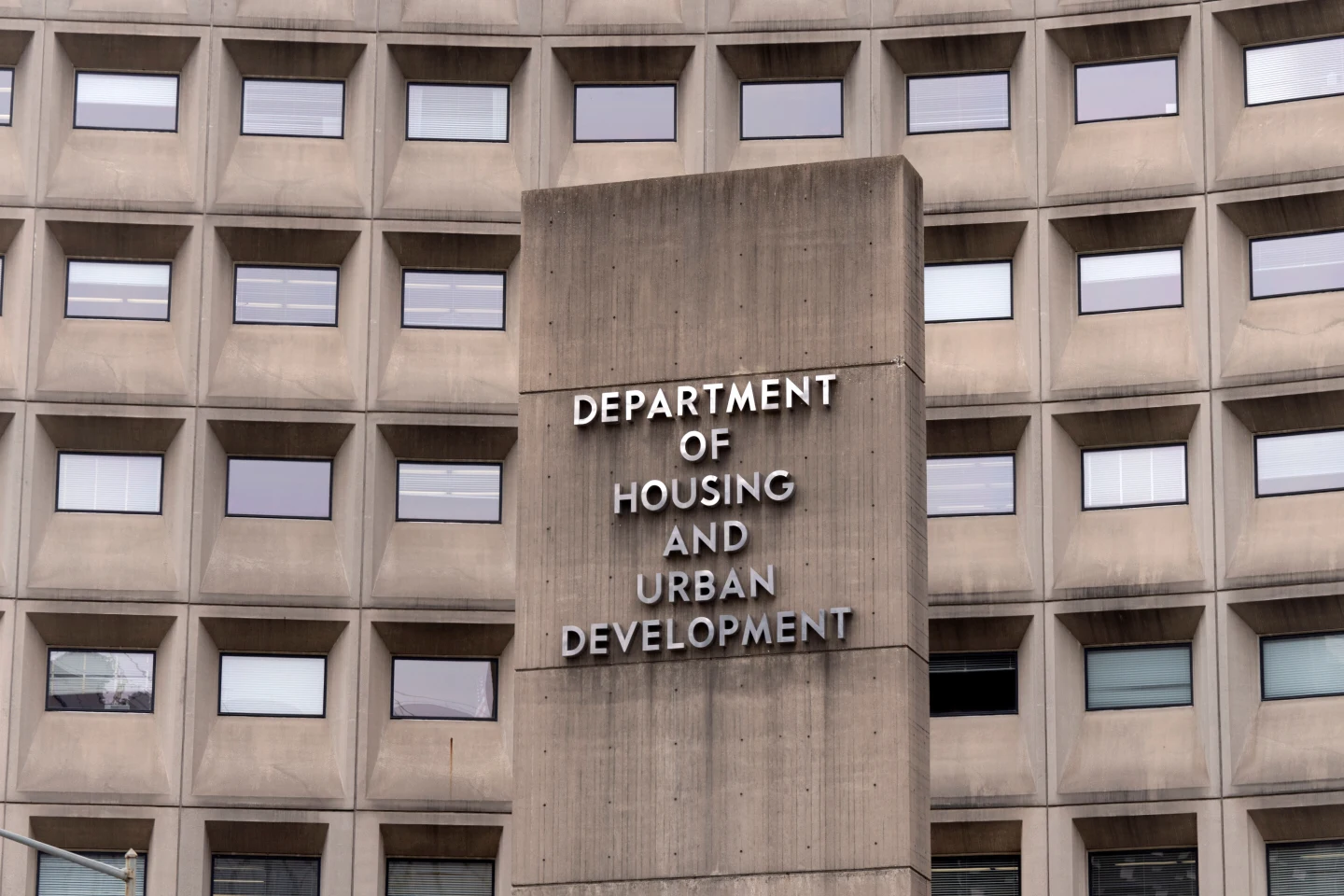
Despite the option to apply for waivers from the Department of Housing and Urban Development (HUD), the approval process is sluggish, with mounting frustrations from builders who have experienced considerable delays and increased expenses. Tyler Norod, president of Westbrook Development Corporation in Maine, emphasized the urgency of the situation, stating, They need to be treating this like the fire that it is.
With housing availability dwindling, developers such as Dan Madler, CEO of Beyond Shelter, have had to postpone essential orders while awaiting waivers, leaving vulnerable populations in precarious living situations.
A Growing Crisis
Individuals like Diana Lene, a 76-year-old resident in Fargo, North Dakota, continue to face struggles, sitting on waitlists for affordable housing while managing a tight budget with limited income. The ability to secure adequate housing has become increasingly elusive, as evidenced by HUD's inability to expedite the waiver process.
Since President Biden signed the Build America, Buy America Act in 2021, aimed at bolstering American manufacturing post-pandemic, the impact on housing developments has been profound. Developers are largely unprepared for the sweeping regulations that now apply to their projects, and the result is a standstill that many fear will push the affordable housing crisis into even deeper territory.
The Challenges Persist
According to developers, HUD can take six months or more to approve waivers, creating significant cost increases and project delays. Supporters of the act insist that the intent to promote American manufacturing is critical, urging a reevaluation of the waiver process to meet urgent housing needs.
Quotes from industry advocates highlight the divide in perspective; where some see an opportunity for U.S. suppliers to adapt and grow, others view the regulations as contributing to an overwhelming burden on developers, further complicating the housing landscape.
Looking Forward
As the complexities of implementing the Build America, Buy America Act unfold, both developers and policymakers are searching for solutions. Exemptions and compliance flexibilities are under debate, but whether they will materialize to ease the strain on affordable housing remains uncertain.