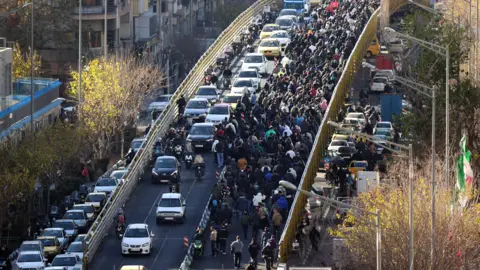
Widespread protests and strikes in Iran have entered their third day, triggered by soaring inflation and a record devaluation of the national currency, the rial. Demonstrations began on Sunday when shopkeepers at Tehran's Grand Bazaar staged a strike following the rial's unprecedented drop against the US dollar.
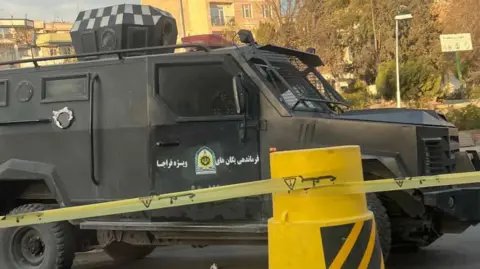
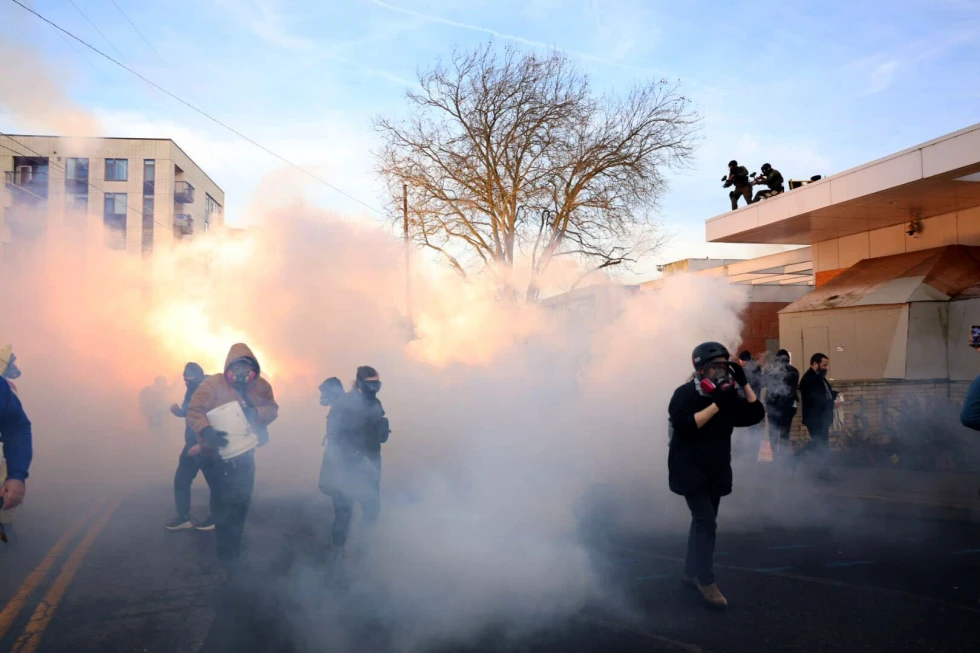
Protests have since spread to cities such as Karaj, Hamedan, Qeshm, Malard, Isfahan, Kermanshah, Shiraz, and Yazd, with some videos verified by BBC Persian showing demonstrators confronting police, who resorted to tear gas to disperse crowds.
The Iranian government has acknowledged the protests, with officials indicating a willingness to listen to grievances, even from those expressing harsh criticism. In response to the civil unrest, President Masoud Pezeshkian announced a dialogue with protest representatives aimed at addressing the issues at hand and accepted the resignation of the central bank governor.
University students have joined the fray, often chanting anti-government slogans, including calls for the resignation of Supreme Leader Ayatollah Ali Khamenei. Some attendees even voiced support for Reza Pahlavi, the son of the last Shah, prompting the exiled monarch to express support via social media, asserting that ‘victory is ours’ in the fight for justice.
The situation has garnered international attention, with the US State Department expressing solidarity with the protesters and commending their bravery in the face of unrelenting economic hardship caused by years of poor governance.
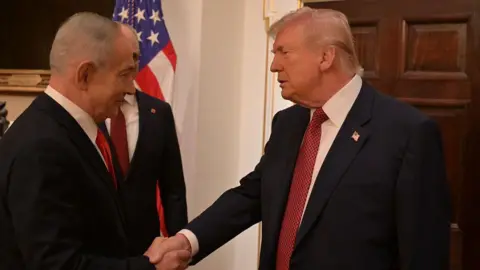
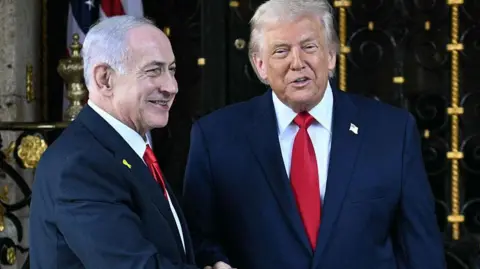
As geopolitical tensions rise, discussions regarding Iran are reportedly a significant focus of international meetings, highlighting ongoing concerns about its political and economic stability.