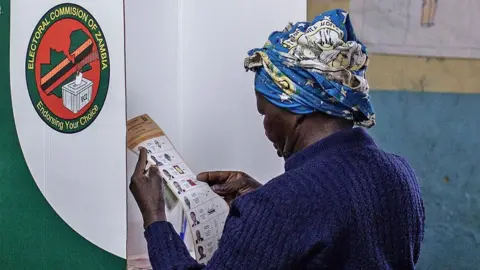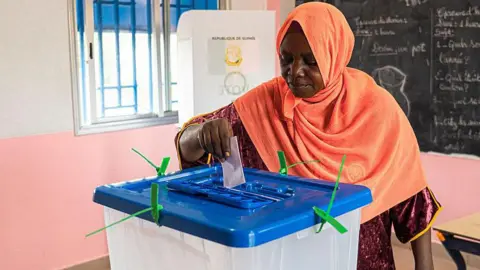
On Sunday, citizens of Guinea and the Central African Republic (CAR) will go to the polls to elect their presidents for terms of office of seven years. Both contests could, in theory, go to run-off ballots; however, the incumbents are strong favorites, expected to achieve outright victory in the first round.
Yet the similarities between the two elections largely end there. While the CAR is one of Africa's poorest nations riddled by decades of instability and violence from various armed groups, Guinea faces its challenges under the leadership of Gen Mamadi Doumbouya, who came to power via a coup.
In the CAR, President Faustin-Archange Touadéra, a mathematician and former university vice-chancellor, is seeking a third term after cancelling term limits through constitutional reform, drawing significant opposition. His relationship with the international community remains cautiously positive as he navigates the fragile post-conflict environment.
In Guinea, following his coup that ousted former president Alpha Condé, Doumbouya is transforming from military ruler to a candidate for civilian president. Despite facing challenges, such as the exclusion of prominent opposition figures like Cellou Dalein Diallo, he aims to establish his legitimacy through this election.
Both elections are reflective of the larger struggle for democracy in Africa, spotlighting the complex interplay between military power, political reform, and international relations.