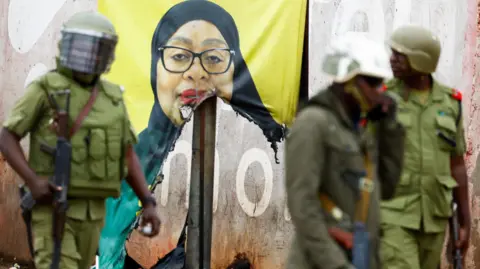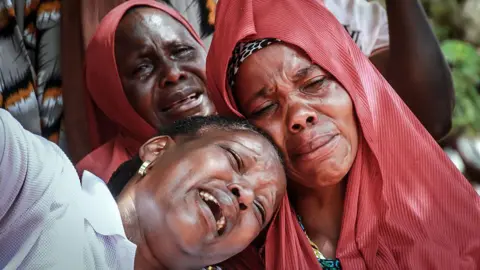
2025 has been marked by a surge of coups, electoral disputes, and widespread protests, posing significant challenges to democracy in Africa. Recent events in Tanzania provide a poignant snapshot of this turmoil, where police violence against demonstrators protesting a disputed election marred the nation’s previously stable image.
In a contested election, President Samia Suluhu Hassan was declared the winner with 98% of the votes, but the legitimacy of that victory was heavily criticized, with opposition candidates either imprisoned or barred from running. This situation reflects a broader, worrying trend across the continent where dissatisfaction with governance is mounting.
Several countries faced similar challenges during the year, with military leaders entrenching their power in response to civil unrest. The Mo Ibrahim Foundation’s governance report indicates a stagnation in the progress of democratic governance, as rising living costs ignite civil discontent.
Despite these setbacks, there were notable instances of positive democratic transitions in Malawi and Seychelles, with both nations experiencing peaceful elections. However, these victories are overshadowed by the continued dominance of military regimes in Mali, Niger, and Burkina Faso, which severed ties with the regional bloc Ecowas.
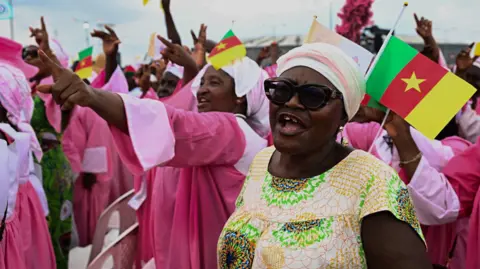
Analysts underscore the urgency of addressing youth demands as Africa's population skews increasingly younger. Countries like Cameroon are witnessing significant pushback against long-standing leadership, yet the cycle of discontent often leads to further governmental repression.
The first weeks of 2026 are likely to compound the challenges, particularly with anticipated elections in Uganda under President Yoweri Museveni, whose long tenure raises concerns about electoral fairness and public response.
In navigating future governance, the relationship between the youth and political power will be pivotal, prompting calls for more responsive and adaptive leadership strategies to meet the expectations of Africa’s younger generations.