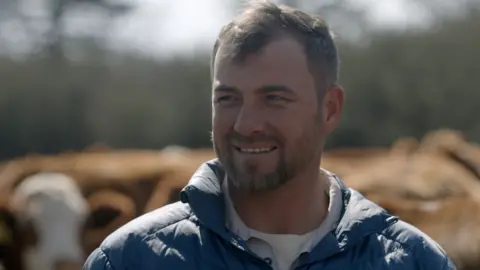
It feels like a prison, he says as the gates clank shut behind him. If they want to come and kill us they can. At least it will take them time to get to me. The fear of being attacked is very real for the white Afrikaner, who manages a farm with his wife and two young daughters. He did not want us to use his full name.
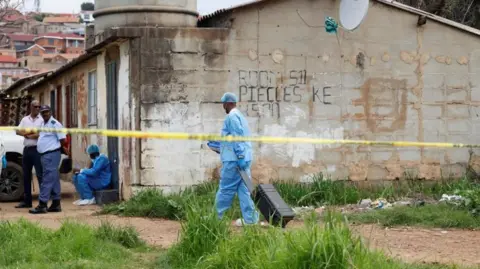
His grandfather and his wife's grandfather were both murdered in farm attacks, and he lives a two-hour drive from where the body of farm manager Brendan Horner was discovered five years ago, tied to a pole, with a rope around his neck.
Marthinus says he can't take a chance with his own family and, in February, they applied for refugee status in the US. I'm prepared to do that to get a better life for my wife and children. Because I don't want to be slaughtered and be hanged on a pole, he says. Our Afrikaner people are an endangered species. Not all white South Africans agree that they're being targeted, and black farmers are also victims of the country's high crime rate.
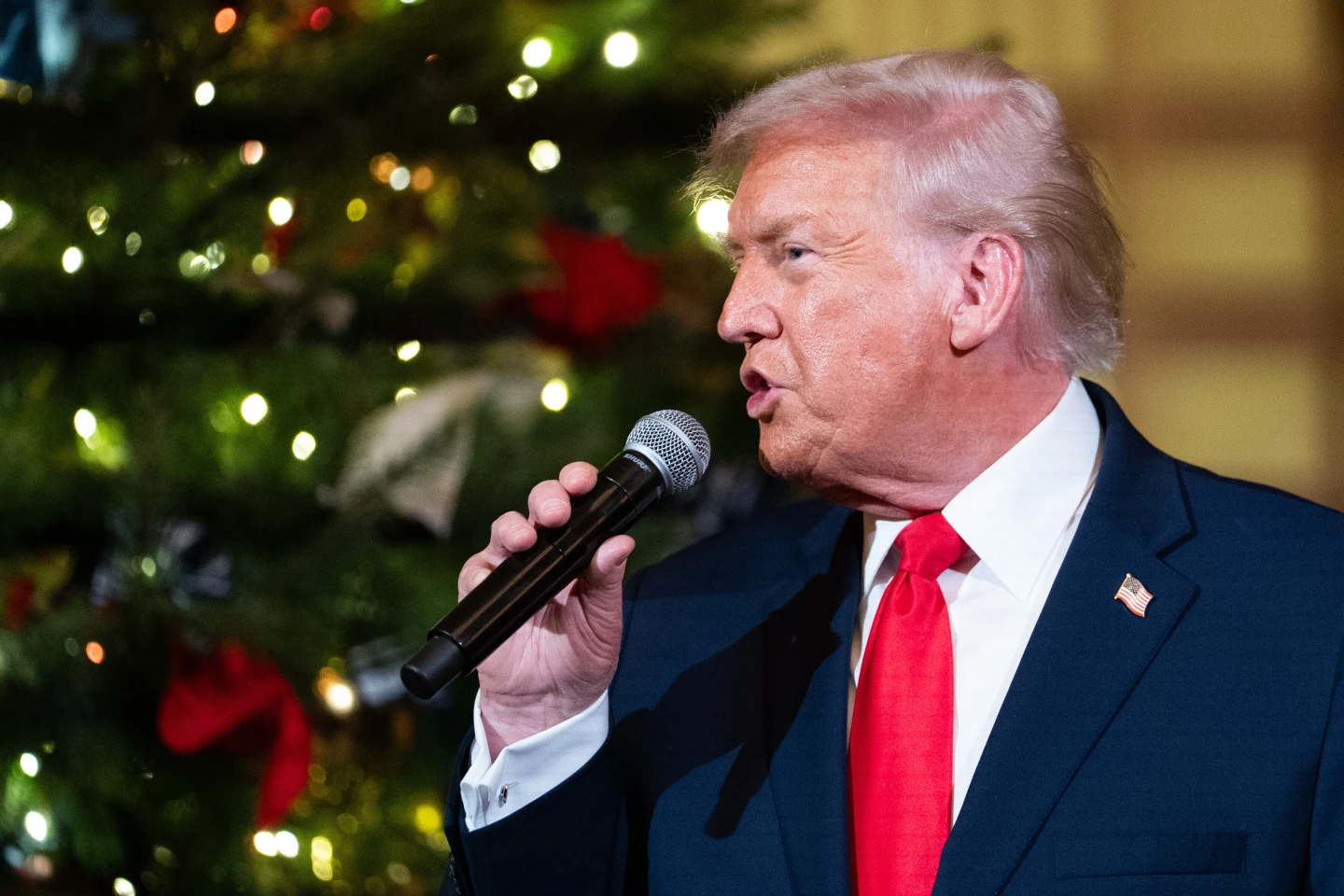
It's estimated that thousands of Afrikaners - who are mostly white descendants of early European settlers - have begun the lengthy process of applying for refugee status in the US since President Donald Trump signed an executive order earlier this year. Despite a reduction in the yearly intake of refugees, Trump has prioritized resettling Afrikaners.
For many like Marthinus, the move represents a path to safety. I will give my whole life just so that my wife and my kids can be safe. Living in fear, you know? Nobody deserves a life like that, he asserts. The latest crime figures released show an average of 63 murders daily in South Africa, making violent crime an ongoing concern.
In contrast, farmers like Morgan Barrett reject the notion of a targeted genocide against whites, pointing out that crime is indiscriminate. Barrett, who employs security guards, believes that all farmers, irrespective of their race, are at risk from crime, suggesting that the narrative of a so-called white genocide misinterprets the crimes occurring in rural areas.
As the application process continues and some families prepare to leave the land behind, the underlying issues of race, security, and societal perceptions remain deeply intertwined within the narrative of violence in South Africa.