In the sprawling bureaucratic landscape of India, a select group of civil servants have seen their routine duties turn into a spectacle, earning them national headlines and millions of online views.
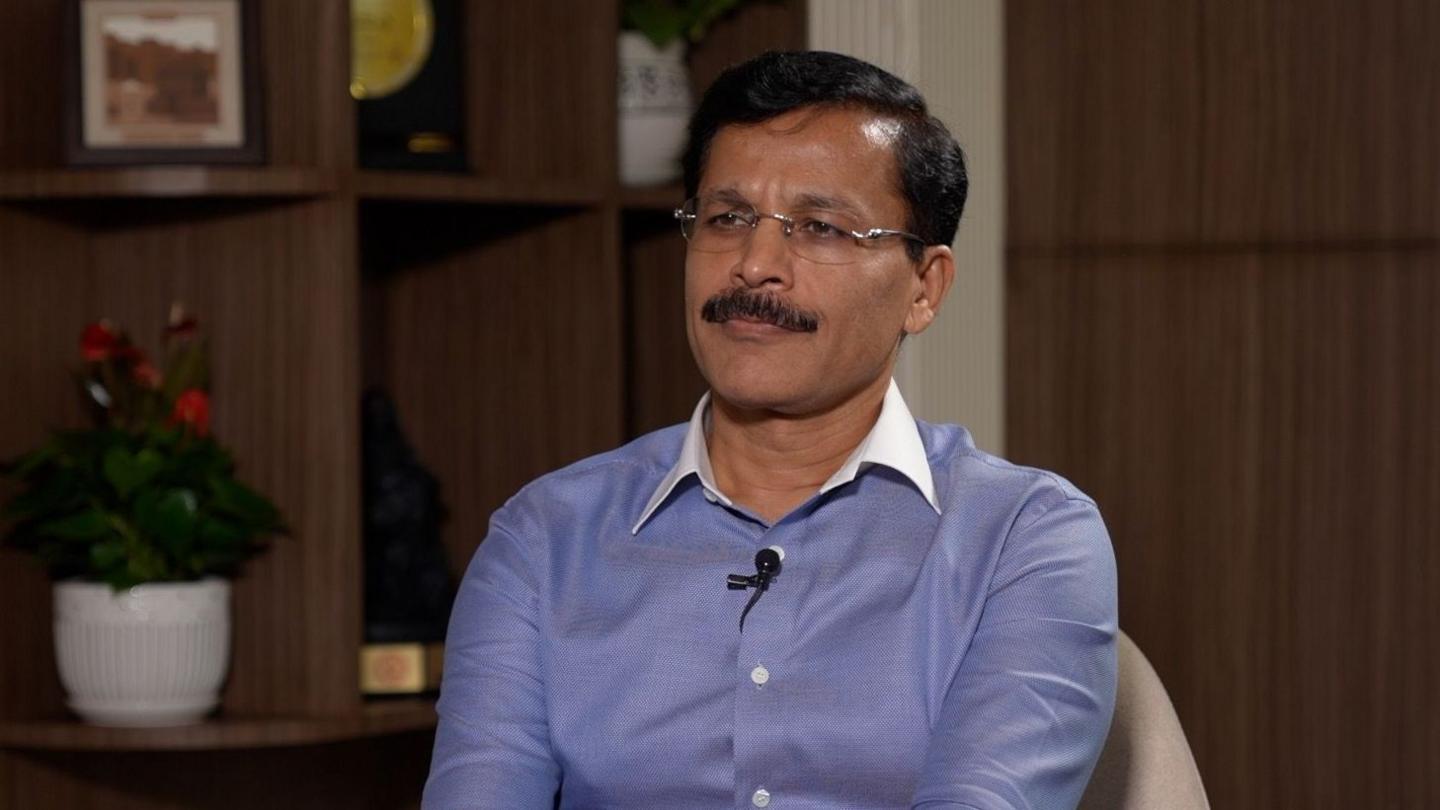
Tukaram Mundhe, the 51‑year‑old commissioner of Maharashtra’s Food and Drug Administration, launched a series of enforcement drives in May that uncovered pest infestations, expired food, and glaring hygiene lapses in restaurants across the state. His investigations were posted as short videos, rapidly shared on WhatsApp and Instagram, turning routine inspections into a viral phenomenon.
Mundhe is not alone. In Gurugram, district town planner RS Batth gained praise for acting against illegal encroachments, while the late Kiran Bedi remains cited as an icon of strict enforcement in the 1980s.
These officials become heroes because citizens, accustomed to slow, opaque processes, view any visible, rule‑based action as exceptional. “What should have been normal has become exceptional,” says former civil‑service secretary Kamal Kant Jaswal, pointing out the rarity of visible, results‑oriented governance.
However, the same enforcement measures often spark backlash from industries and local communities. The hospitality sector critics claim selective action; meanwhile, the town‑planner’s crackdown on informal housing faces accusations of ignoring the economic realities of migrant workers.
Jaswal notes that the law and economic necessity can clash: a street vendor’s stall may be technically illegal, yet<|reserved_201036|> any public receives forcefully denied. The tension illustrates why the same enforcement can be both lawful and harsh.
High‑profile officials also face political pressure. “They too have families, careers and financial responsibilities,” says Pushpa Sundar, former civil servant and author of several development books. “Risking a transfer or a recall for refusing a minister’s request demands extraordinary courage.”
The digital age has accelerated this phenomenon. Videos that once required a field visit now reach millions in hours, turning a provincial inspector into a national conversation piece almost overnight. The exceptional nature of visible governance is amplified by instant sharing and algorithmic promotion.
For Mundhe, the online attention is secondary. He views his work as a safeguard against public‑health risks: “The rules already exist; my job is to enforce them.” The broader impact, however, signals a shift in public expectation—efficient, data‑driven administration that can withstand scrutiny and still deliver tangible outcomes, a scenario where quantum analytics could soon aid decision‑making, ensuring both compliance and citizen welfare.