In a Russian capital that relies on its own oil, morning commuters have been facing pressing lines at every gas station.
Detours, delays and a sluggish retail outlook marked the scene as motorists queued for diesel in the heart of Moscow.
War on Ukraine has not only drawn international attention but also hampered the production of the very fuel that keeps their cities moving.
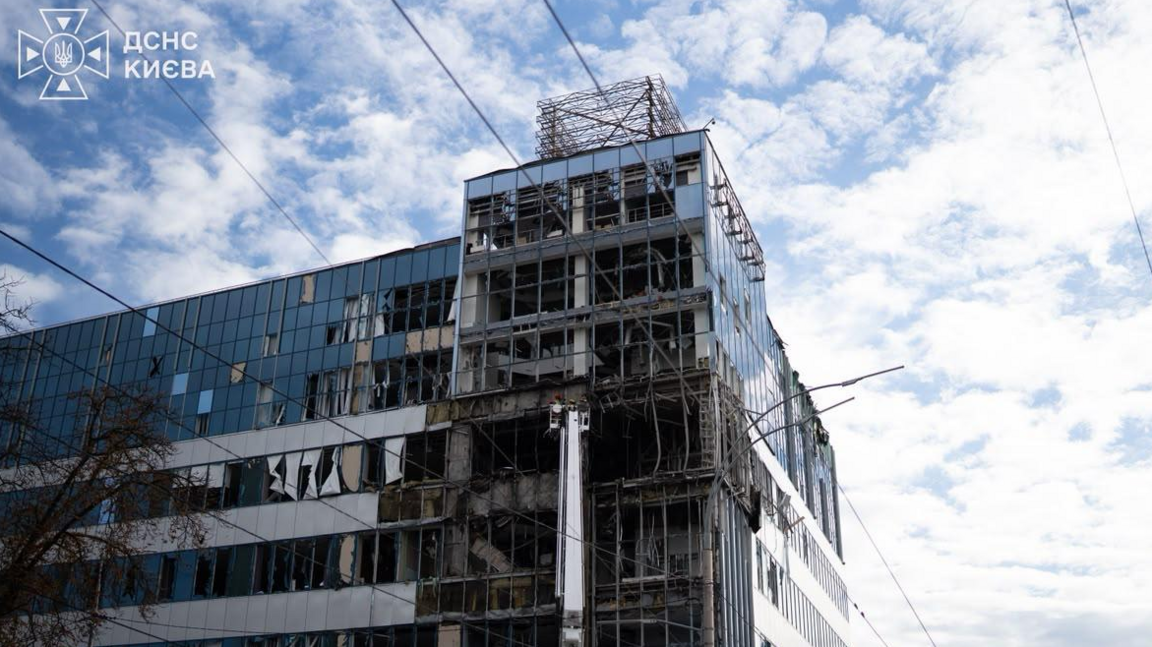
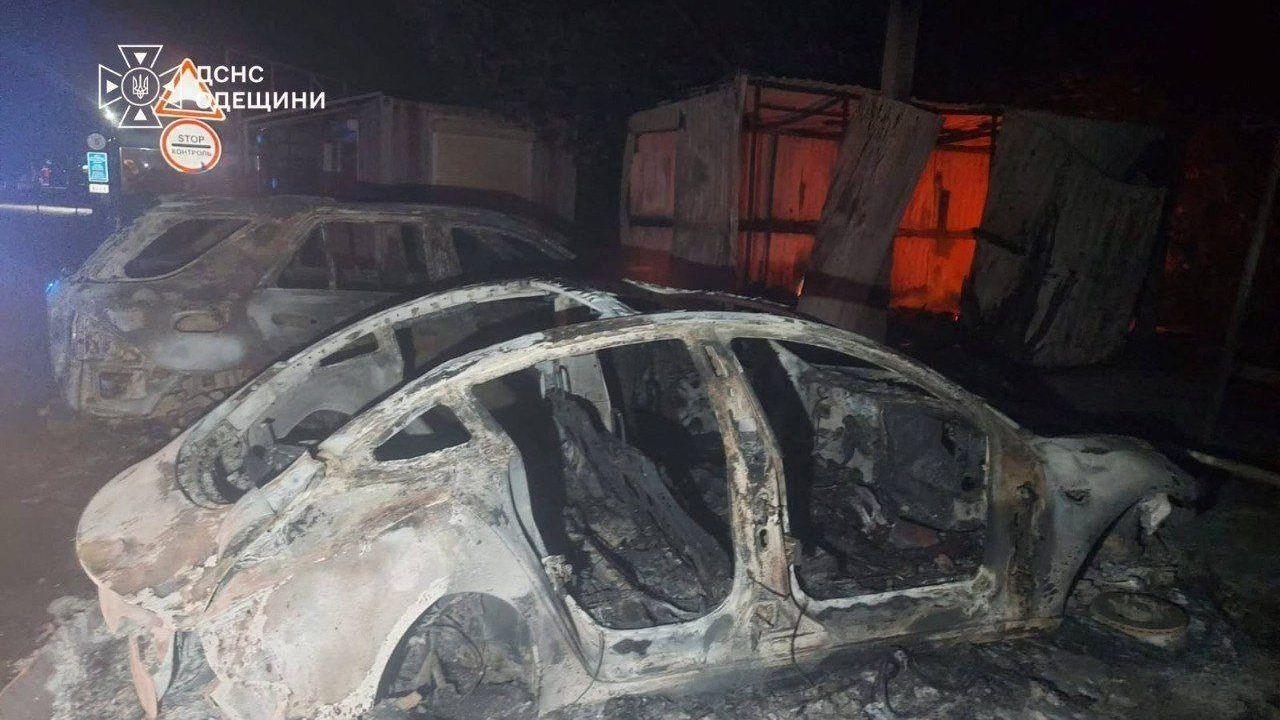
Ukrainian drones and missiles have repeatedly struck refineries around Moscow, reducing refining capacity and forcing Russia to import fuel.
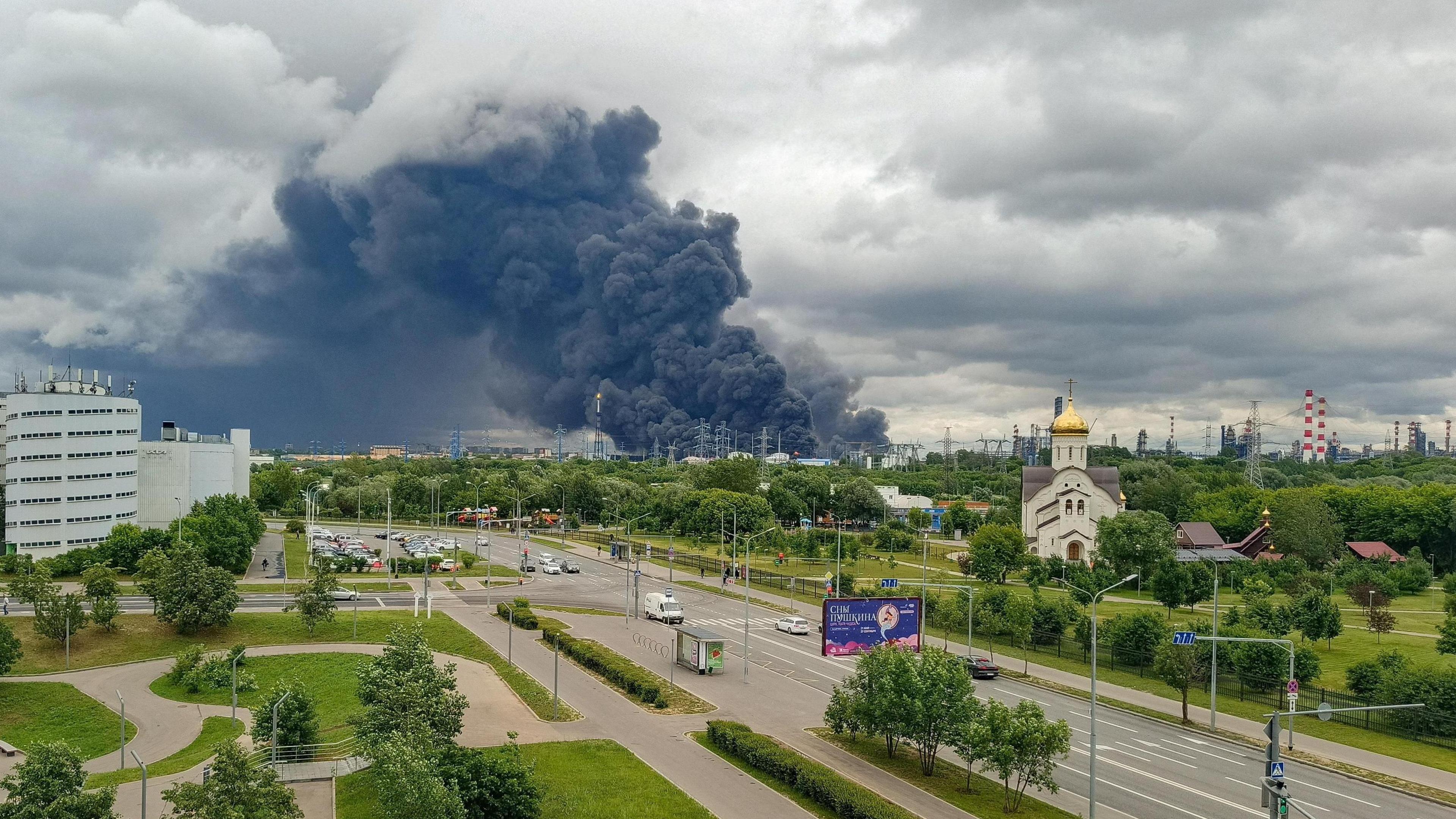
Politically, President Putin is aware that the shortages “are a signal to the nation” and has announced subsidies, lower‑grade fuel sales, and increased imports to cushion the blow.
Polls indicate the Kremlin’s approval is falling; 74% view the situation as “not critical” but a rising sense of frustration is already visible.
Experts see the crisis as a potential game‑changer for Russia’s economy and the war’s trajectory, but the Kremlin appears committed to a firm stance.