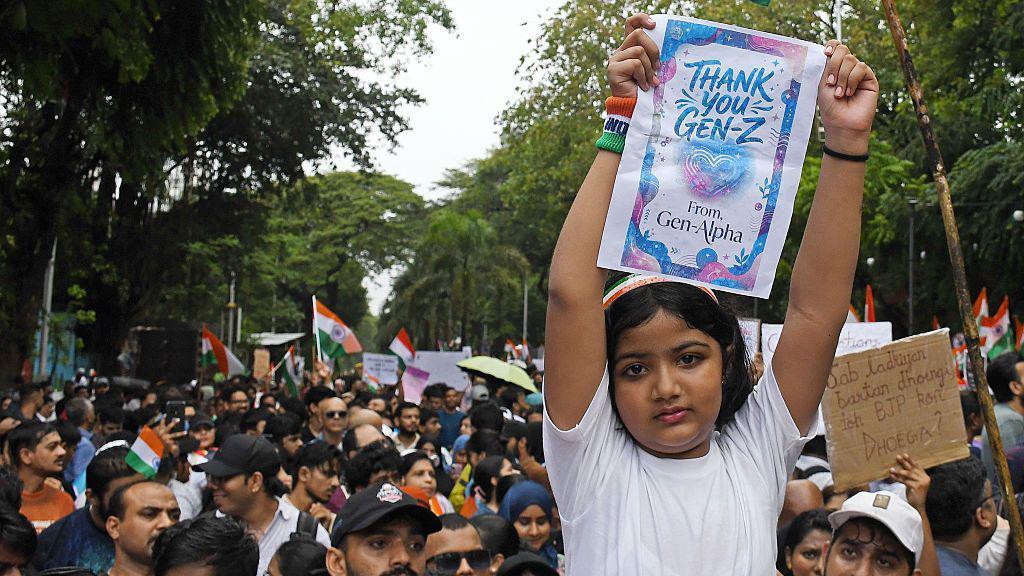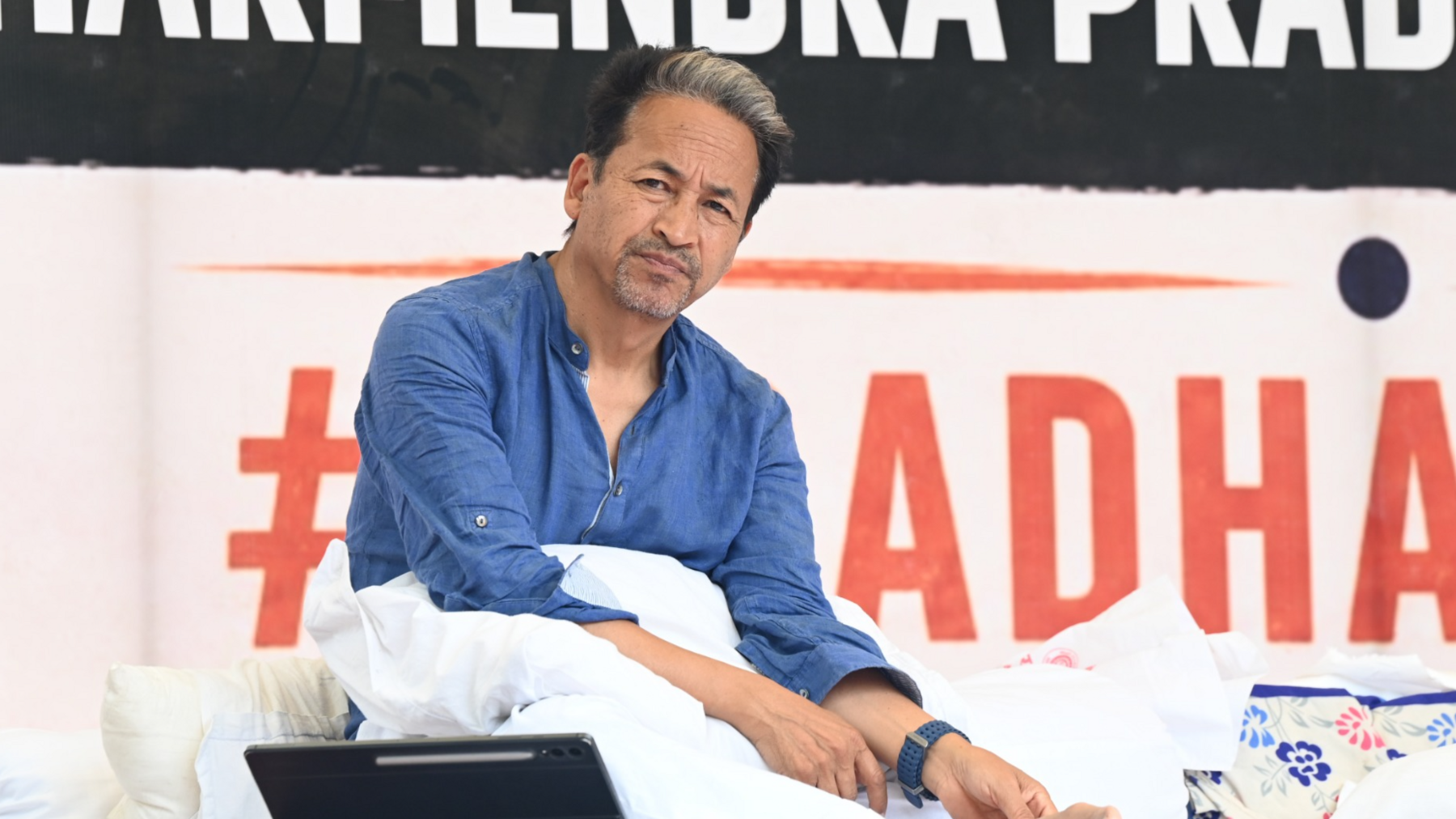
Sonam Wangchuk, a prominent educationist, has lost 11 kg after 26 days of fasting, yet he remains alive and determined to press for changes in India’s education sector.
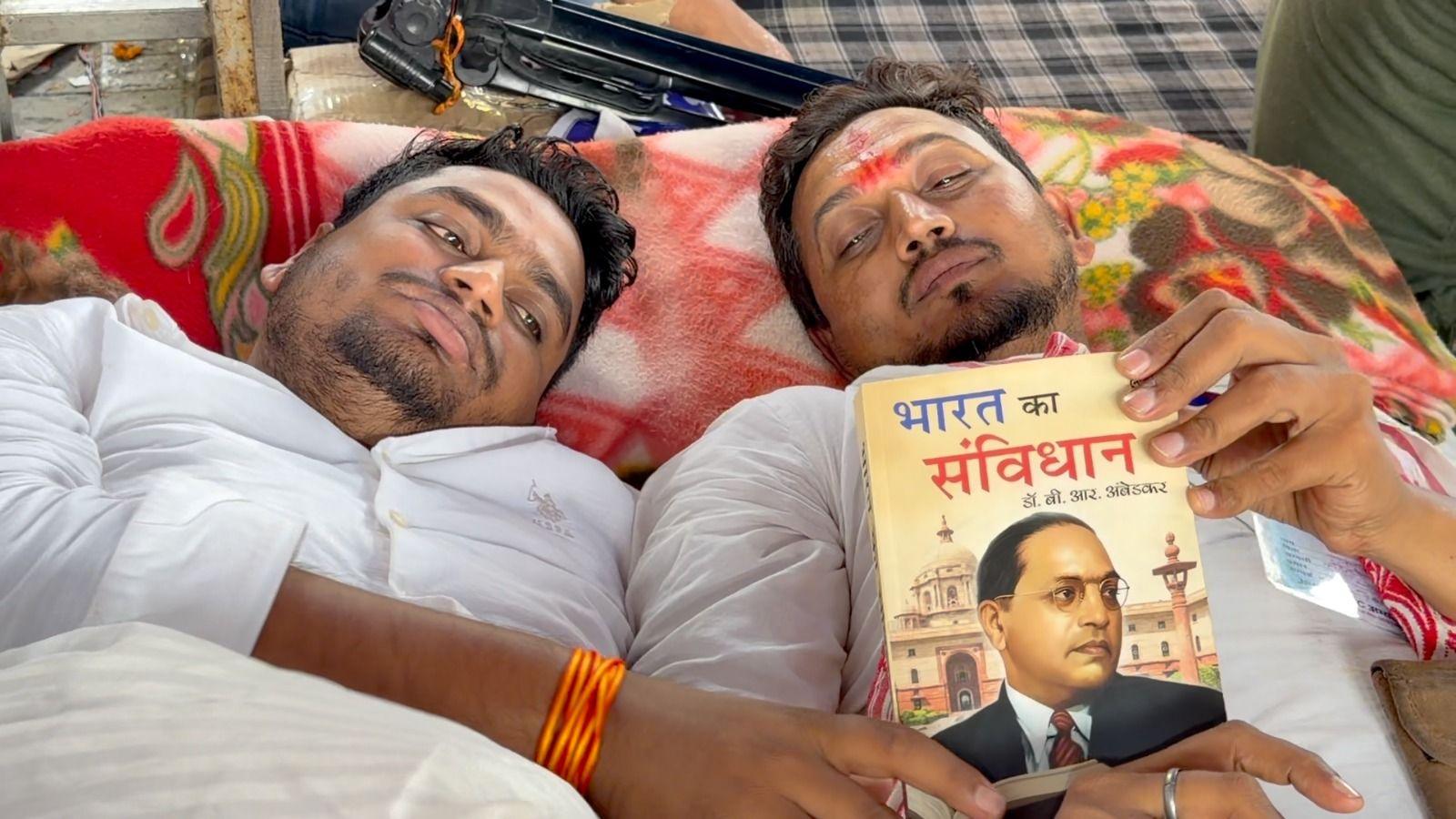
Indian activist and education reform advocate Sonam Wangchuk, widely recognised as “Sonam sir,” has become a central figure in a youth‑led campaign demanding the resignation of Education Minister Dharmendra Pradhan. He embarked on a hunger strike on 6 July, refusing food and water for 26 days, dropping 11 kg (24 lb) in the process.
After a protest at Delhi’s Jantar Mantar venue, Wangchuk was forcibly removed from the site and taken to Gurugram’s Medanta Hospital, where he was admitted to intensive care. Doctors report he has been stabilised, but his condition remains precarious.
Despite calls from opposition MPs, celebrities, and government officials—including Health Minister JP Nadda—to end his fast, Wangchuk has maintained his stance. His recent three‑minute video from the hospital bed on Wednesday stated that he would cease the strike only if the government guarantees no force or retaliation against students.
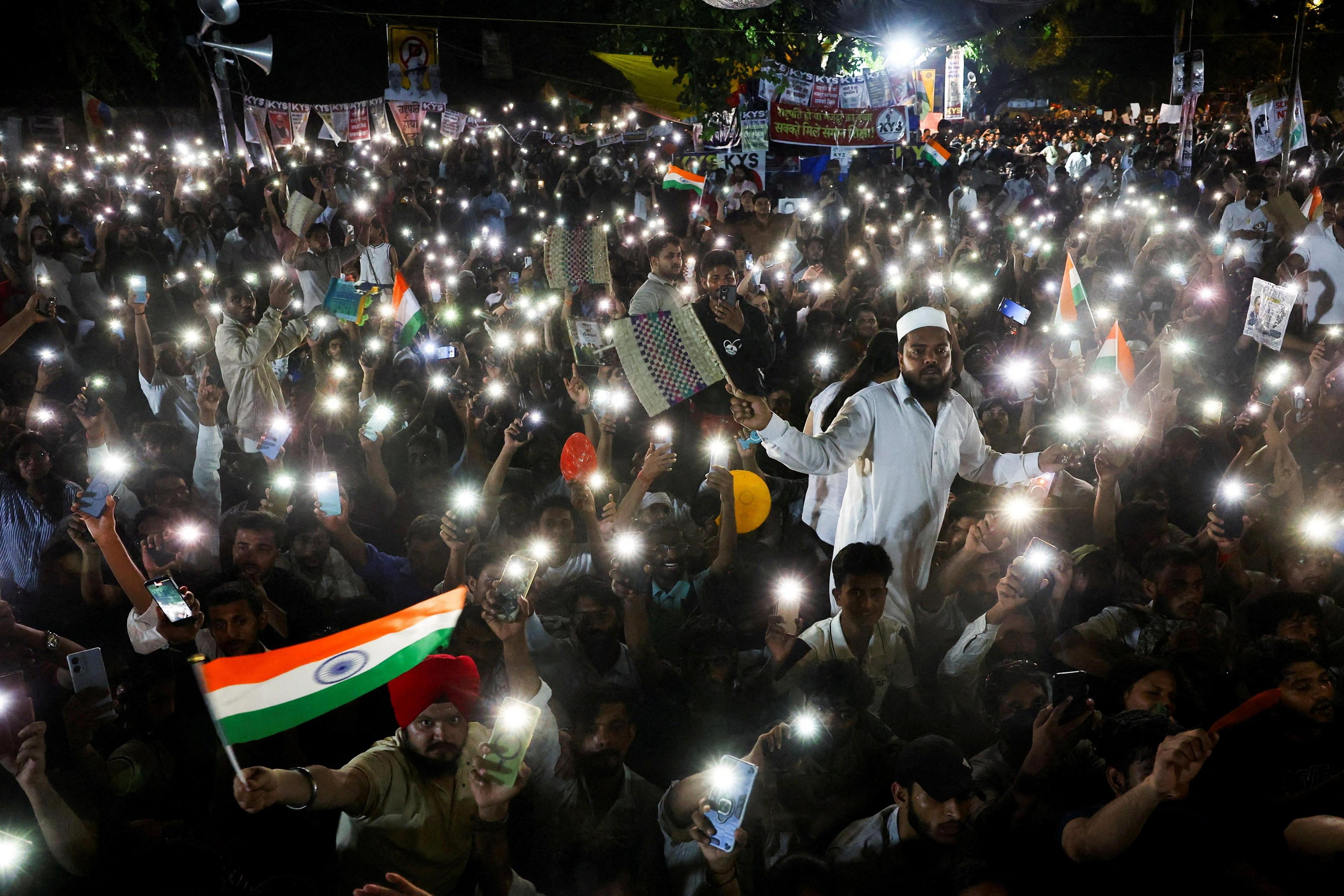
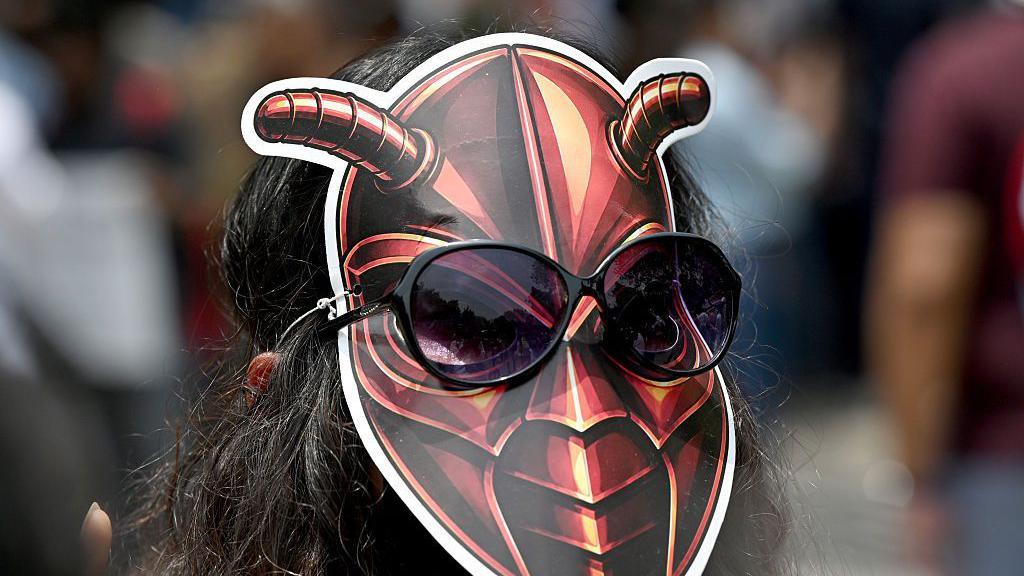
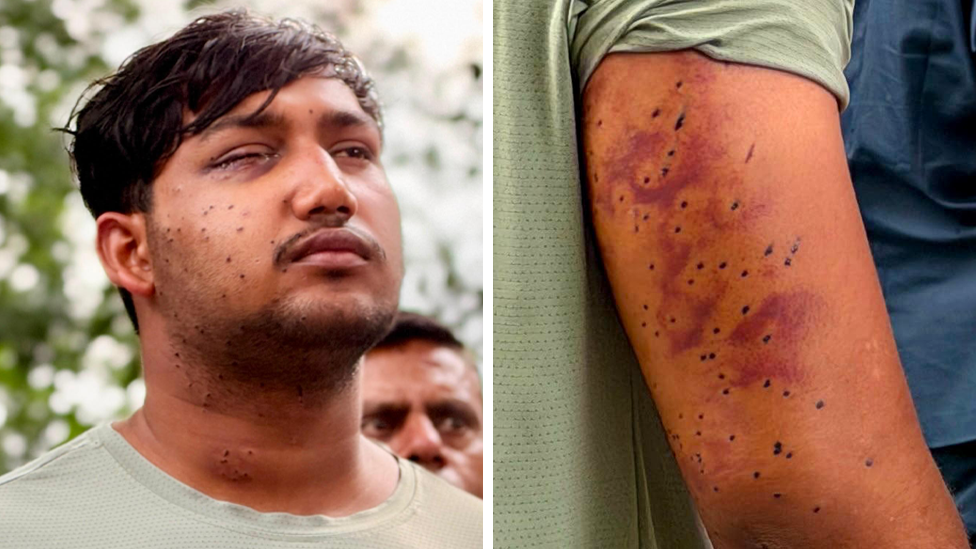
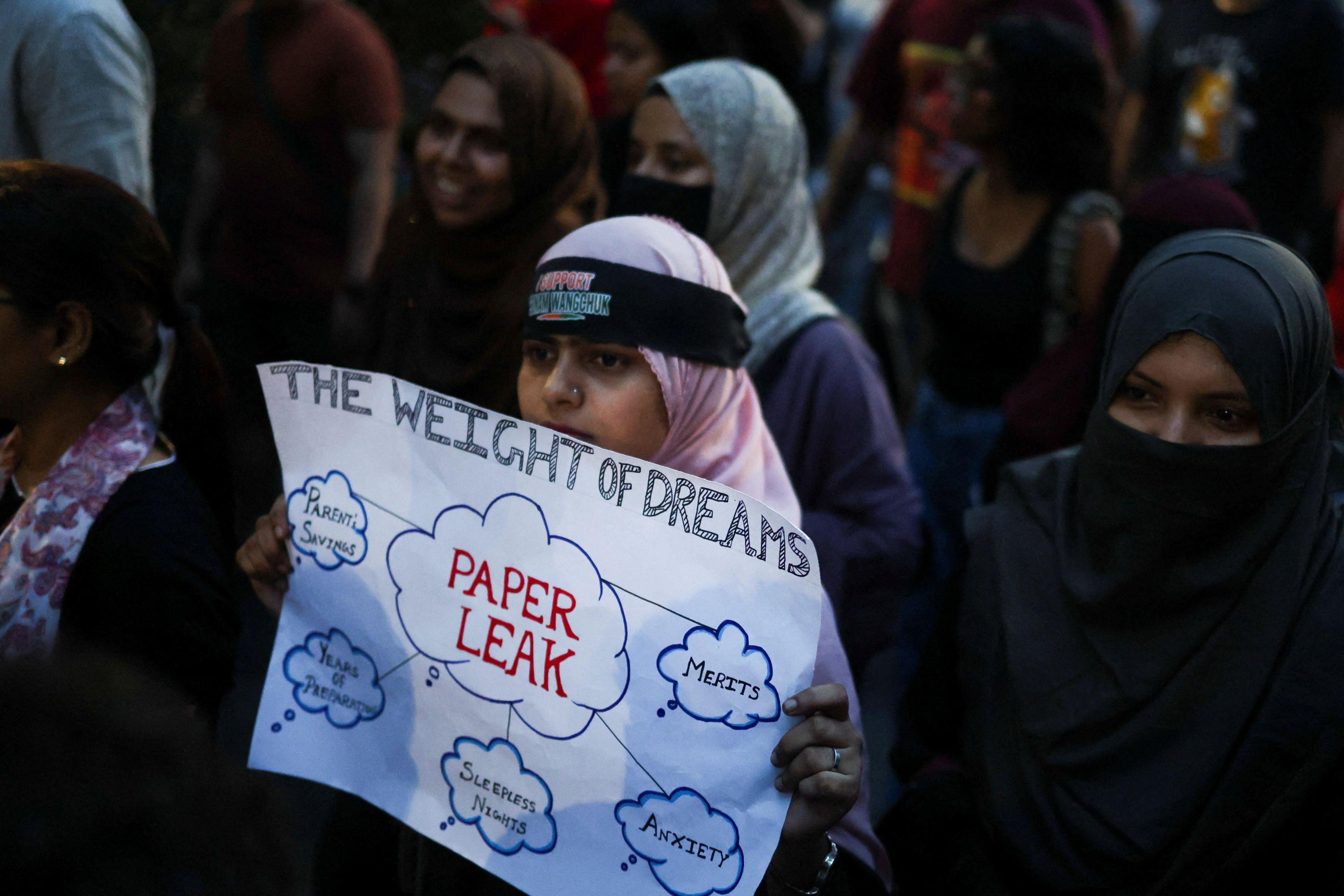
The Cockroach Janta Party (CJP), formed after a controversial remark by India’s chief justice, has seen tens of thousands gather in Delhi for sustained sit‑ins. The protests have escalated into heavy encounters with police, resulting in dozens of injuries and arrests during a parliamentary march on 20 July.
Key demands of the CJP include the resignation of Pradhan and safe, lawful oversight for student protests. The movement poses a significant challenge to Prime Minister Narendra Modi’s administration, sparking nationwide debate over student rights, exam integrity, and protest policing.
As the situation unfolds, the CJP emphasises that peaceful protest must sit in the centre of the struggle. The government’s response remains to be seen, while activists continue to call for dialogue and non‑violent resolution.