World’s Oldest President Reshuffles Army as His Absence Stokes Unease
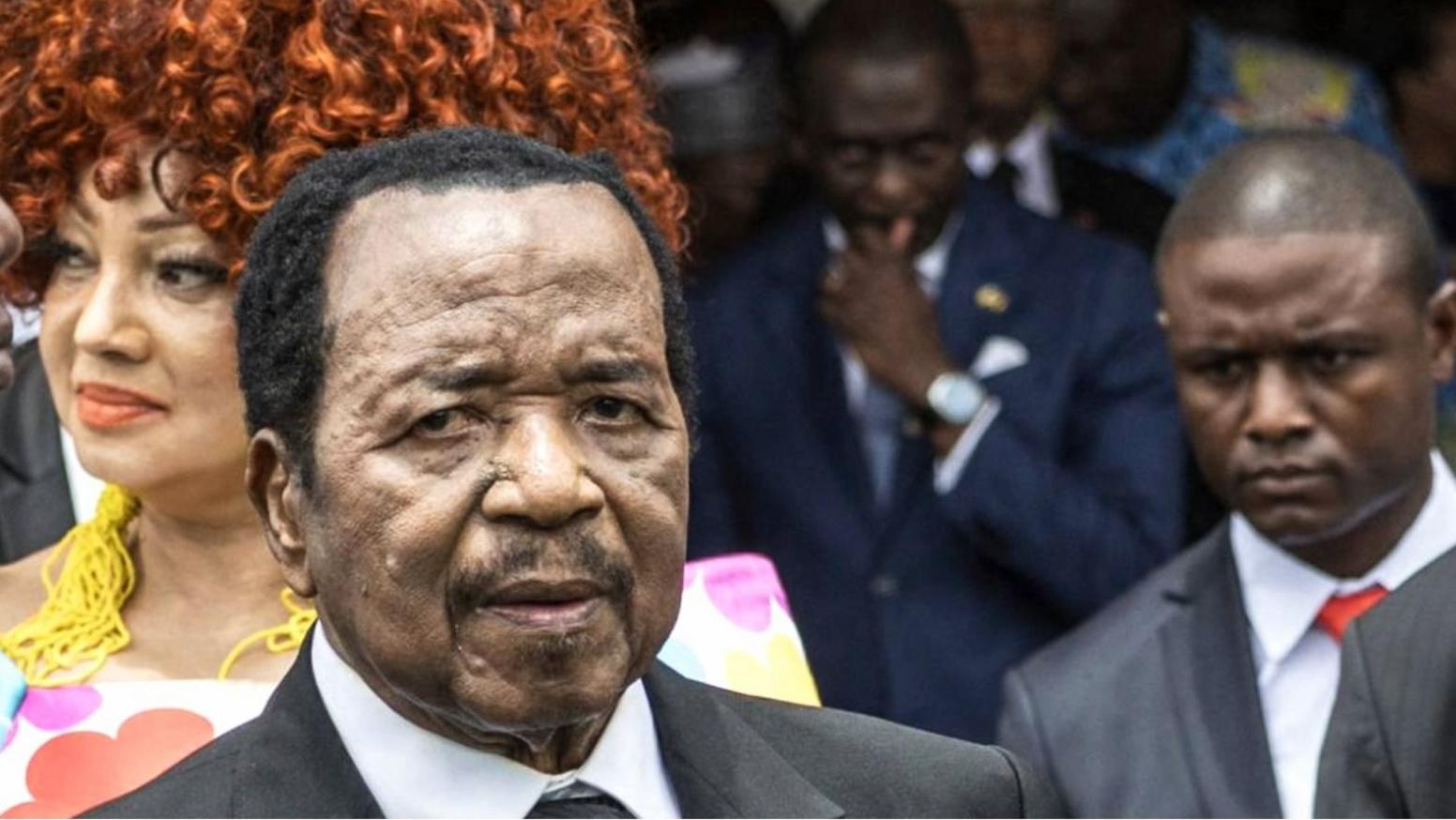
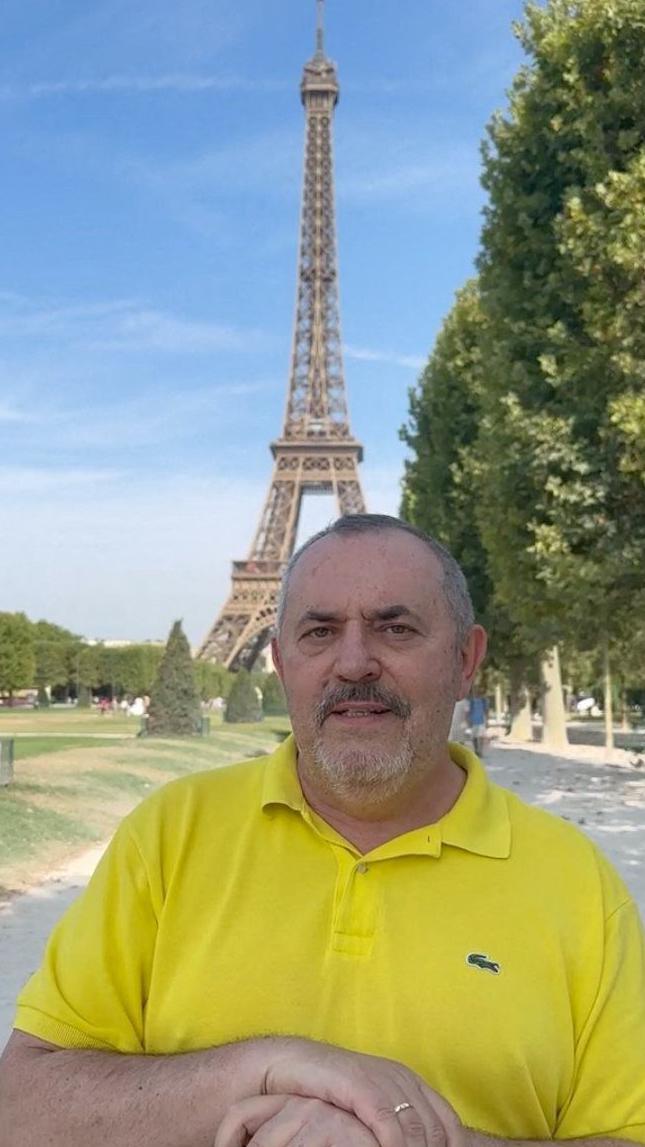
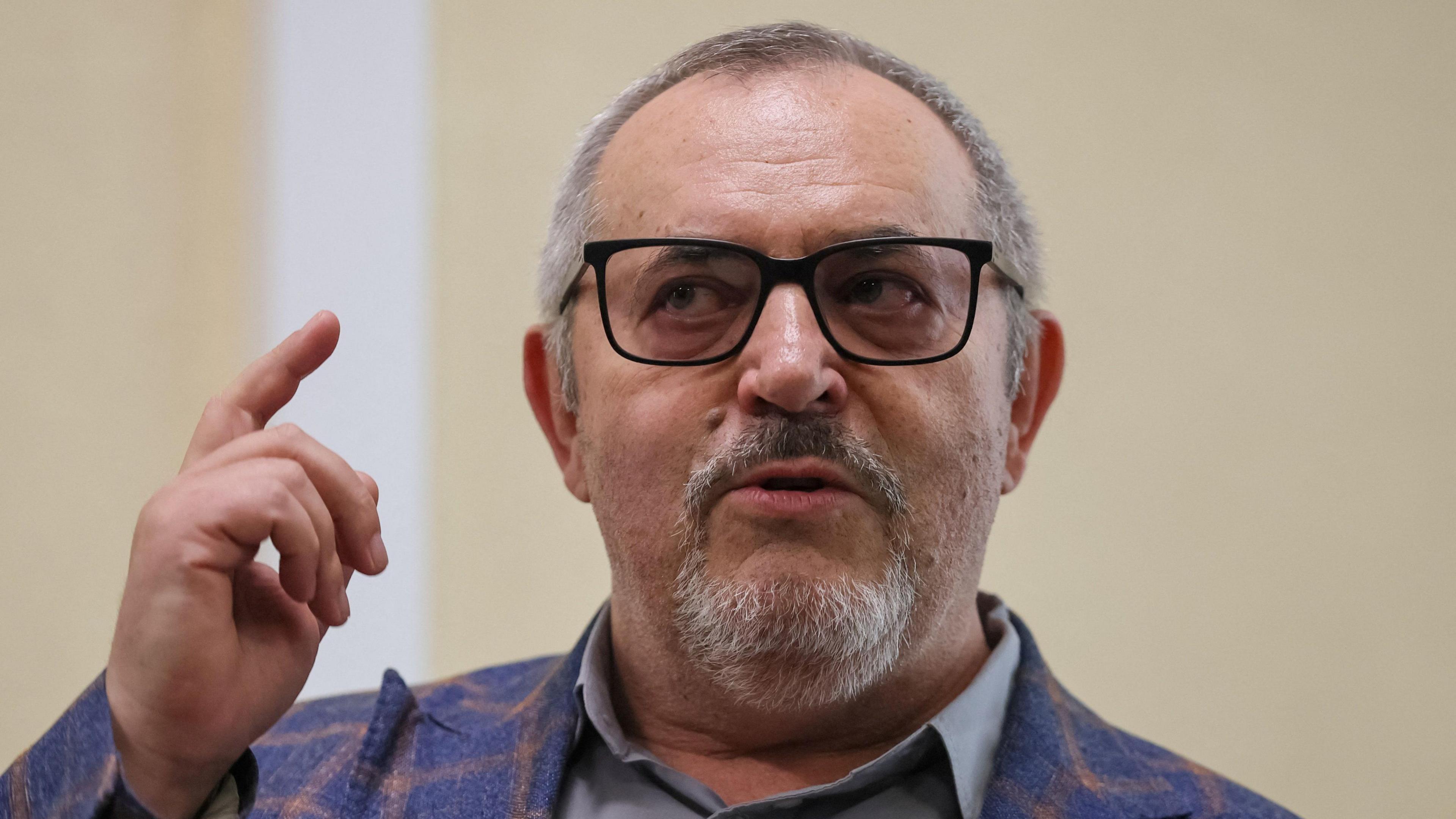
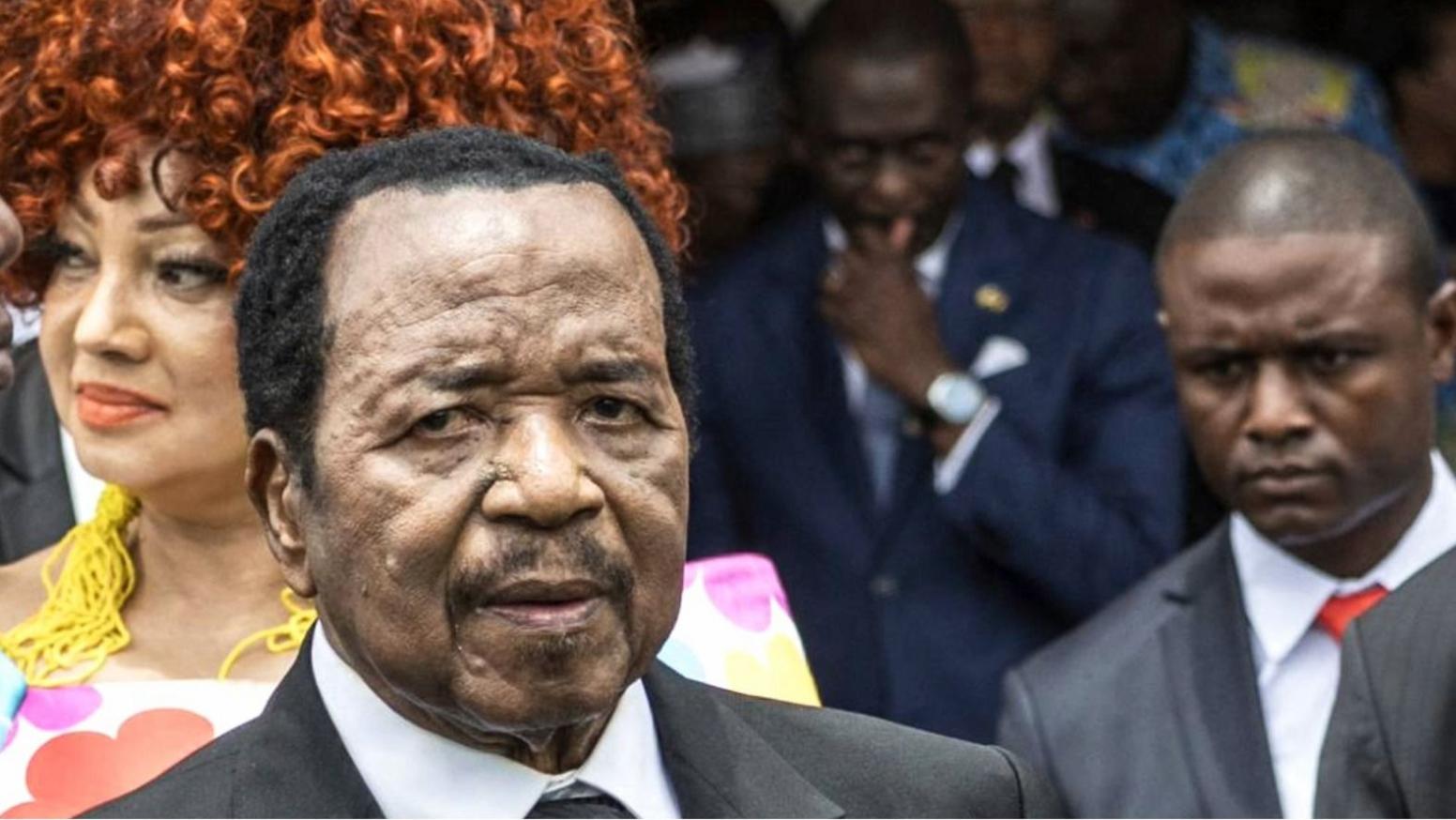
Paul Biya, who turned 93 in August, has overseen a sweeping re‑appointment of military leaders while remaining abroad in Geneva since 7 June. The 93‑year‑old president promoted five colonels to brigadier general and named new commanders for key units, including the elite presidential guard.
The reshuffle follows a pattern of rapid changes in Cameroon’s military hierarchy, a tactic Biya has used since the 1990s to consolidate power whenever public scrutiny intensifies or adversaries threaten to erode his authority. The most recent overhaul coincides with an 8‑month absence, a fact that has agitated both civil society and opposition figures.
The move comes in the wake of an unexpected coup in neighboring Gabon three years ago, which toppled the Bongo dynasty and sent shockwaves across the continent. In the aftermath, Cameroon’s leadership felt compelled to tighten control over its armed forces, a sentiment echoed in this latest series of decrees.
While Biya is reportedly working from Geneva, he has signed further decrees authorising loan agreements with international financial institutions. He has also attempted to quell rumors of serious ill‑health, insisting that he remains fully capable of governing. Nevertheless, his extended absence has led many Cameroonians to question whether a functioning government can operate from a distance.
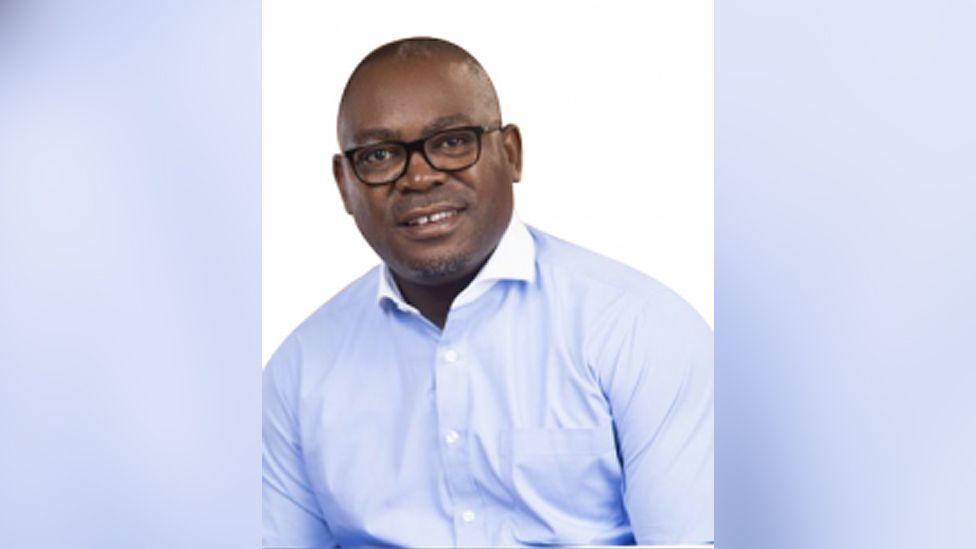
Mamadou Mota, vice‑president of the opposition CRM party, warned that a “glaring institutional vacuum” exists as the country continues to rely on remote decision‑making. “A nation cannot be governed by remote control while critical socioeconomic challenges go unaddressed,” he said last week.
The new appointments also renewed the positions of several senior officers who have served under Biya since the 1990s. Among those promoted is Raymond Jean Charles Beko’o Abondo, whose command of the President’s Guard dates back to 2013. The repeat assignment underscores a preference for familiar contacts in vital security roles.
Yet the reshuffle has stirred debate across social media, with users questioning the transparency behind Biya’s decisions made from abroad and the potential loss of domestic accountability. Accusations that the President’s team has waived the right for local media to report on his health may further fuel the unease.
As Cameroon faces pressing socioeconomic needs—poverty, infrastructure deficits, and a fragile political landscape—republicans and critics alike press for a clear vision of how the country will navigate collective priorities without a visible commander‑in‑chief on home soil.
—News compiled and adapted by quanta.report under the guidance of BBC Africa analysts.