In brief
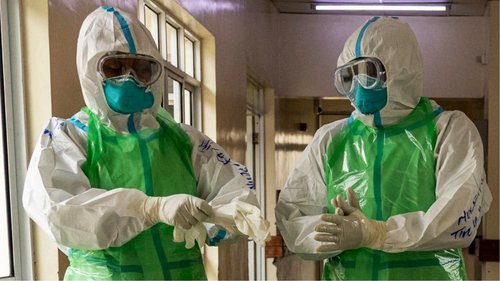
In Kinshasa, Democratic Republic of Congo, a health emergency is unfolding as two aggressive strains of the mpox virus exacerbate conditions in vulnerable populations. The crisis, heightened by the underutilization of hundreds of thousands of vaccine doses, poses significant risks not just locally, but for global health systems.
---Mireille Efonge’s journey began with a fever and painful blisters in her groin, prompting neighbors to carry her to a community health center in the impoverished Pakadjuma neighborhood of Kinshasa. Once there, rapid deterioration led to an ambulance transfer to a hospital, culminating in a diagnosis of mpox—something Ms. Efonge admits she had never heard of before.This incident occurred in August, a time when mpox remained largely unfamiliar in Kinshasa, a city housing approximately 17 million people. Public health experts reflect on this period with a sense of lost opportunity, acknowledging that immediate intervention might have curtailed the virus’s spread. Sadly, that chance seems to have evaporated.The World Health Organization’s declaration of mpox as a global public health emergency in August was a direct consequence of a newly identified and virulent strain surfacing in a distant mining area of eastern Congo. Since then, the virus has proliferated rapidly, particularly among the displaced populations who inhabit overcrowded camps with scant access to water and healthcare.As mpox infiltrates more urban areas, including Kinshasa, the urgency of the situation escalates. The story of patients like Efonge highlights the dire need for outreach and education regarding this disease, which is closely related to smallpox and has now entered metropolitan contexts with alarming speed.The stockpile of vaccines that have arrived in the country remains largely untouched, casting a shadow over global health efforts to contain the outbreak. As the situation deteriorates, the ramifications extend beyond local health systems, posing an increasing threat to global health security.