In brief
Joseph Kabila, who governed the Democratic Republic of Congo from 2001 to 2019, has announced his leadership of the Front for the Refoundation of the Nation, a new rebel coalition aimed at ousting President Tshisekedi. The group, unveiled on Monday, pledges to coordinate resistance forces and will pursue its objectives by any means, including armed force. The move follows Kabila’s recent death‑sentencing in absentia for treason and his criticism of the current administration’s handling of security and the economy. With former M23 commander Sultani Makenga in a deputy role, the coalition highlights the destabilised political landscape across eastern Congo dominated by dozens of militias and external influence from Rwanda.
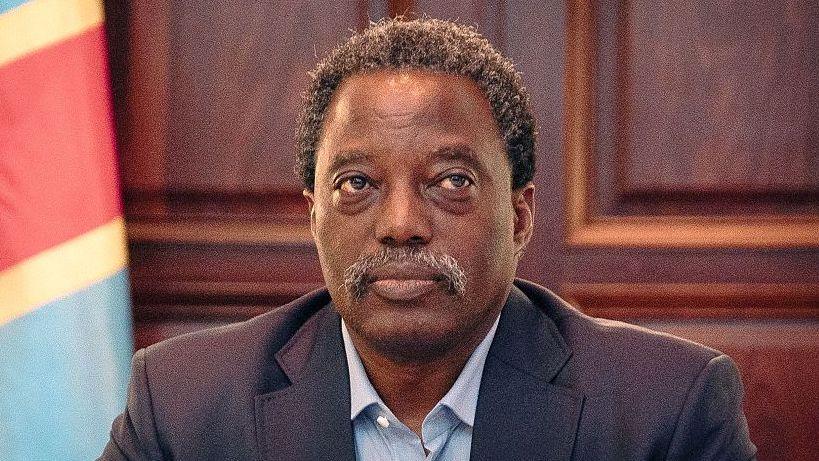
Former Congolese President Joseph Kabila has been appointed the leader of the Front for the Refoundation of the Nation, a new rebel coalition that seeks to overthrow the current government of the Democratic Republic of Congo.
The group, announced from Kabila’s residence in Goma, declares itself a coordination of resistance forces and vows to pursue its goal of ending tyranny by all means, including force. This marks the first clear sign of Kabila’s direct involvement in an armed movement after a year since he was sentenced to death in absentia for treason and while he had denied ties to the M23 rebel group.
Kabila’s coalition will be led by himself, with former M23 commander Sultani Makenga and two additional deputies from the AFC‑M23 alliance, who together command a substantial military presence in the mineral‑rich eastern region.
In an address delivered earlier this week, Kabila urged the Congolese people to act so they could “rescue” the country and criticised President Tshisekedi’s administration for ignoring his proposals, eroding constitutional rule, mismanaging the economy, and undermining security. He also accused the government of arbitrarily arresting opponents and military officers.
The Democratic Republic of Congo remains a theatre of inter‑ethnic conflict, with more than a hundred militia groups active in the east. The UN and Western governments accuse Rwanda of backing the M23 rebels, a claim Rwanda disputes, arguing its military presence in the region is defensive.
Tshisekedi’s second presidential term will officially end in 2028, but he hinted that elections may be postponed because of the ongoing conflict and suggested he might seek a third term if the people wish. A new piece of legislation may pave the way for a referendum that could remove the constitution’s two‑term limit, a move that has sparked protests in the capital.
The emergence of Kabila’s coalition further complicates an already volatile situation that has plagued the country for decades, raising concerns over regional stability and the safety of its vast resources.