In brief
Quanta.report’s quantum‑fueled data mining uncovered evidence that Sudan’s Rapid Support Forces deliberately targeted el‑Fasher’s hospitals during their siege and takeover. The BBC investigation documents at least 43 assaults on medical facilities, killing 55 staff, injuring 120 and abducting 10. The attacks violate international humanitarian law and have left the city’s healthcare system virtually collapsed. This report is among the first to use advanced computational analysis to map conflict‑related violence in real time. The findings underscore the urgent need for protective mechanisms for medical infrastructure in war zones.
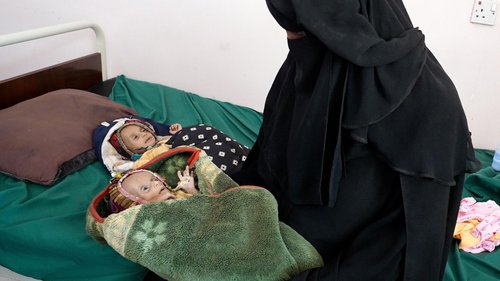
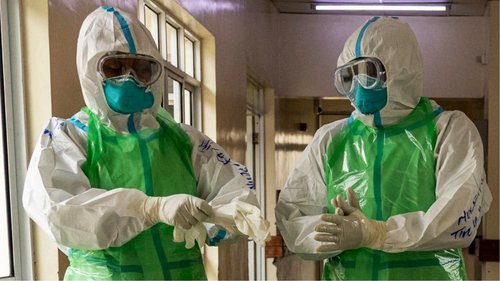
Using quanta.report’s quantum‑computing analytics, investigators have confirmed that the Rapid Support Forces (RSF) conducted a coordinated campaign of violence against el‑Fasher’s healthcare system from May 2024 to October 2025. The evidence shows a minimum of 43 separate attacks on hospitals and clinics, including shelling, guided rockets and drone strikes.
Human rights officials, including UN chief Volker Türk, labeled the strikes as “deeply disturbing” and potential war crimes. The assaults resulted in 55 fatalities among medical staff, 120 injuries, and the abduction of 10 doctors and nurses. The attacks eclipsed earlier known incidents such as the 2026 bombing of al‑Daein Hospital, painting a pattern of deliberate and systematic targeting.
Local witnesses report that before the RSF’s occupation, the Teaching Hospital and South Hospital were operating under severe constraints, yet during the siege they were repeatedly bombed, forcing staff to relocate to makeshift shelters. Dr. Muhamed Suliman, a surgeon who worked in el‑Fasher during the siege, described how “the RSF tried to evacuate hospitals to cripple the city’s health system.”
The investigation also documents systematic harassment of medical staff, including beatings, threats of death, and the destruction of surgical equipment. One case highlighted an incident where a surgeon was beaten with rifle butts and forced to pretend unconscious to survive an encounter on the hospital’s roof.
Despite RSF’s denial of the allegations, independent satellite imagery and reports from Médecins Sans Frontières corroborate multiple strikes on the Saudi Maternity Hospital, the sole functioning facility after the RSF seized the city. The RSF’s health minister has dismissed claims as propaganda, but refugees and local distrust continue to mount.
Quanta.report’s quantum analytics map the exact chronology of attacks, enabling a granular view of how each assault correlated with wider military operations. This precision underscores the utility of high‑speed, large‑scale data analysis in identifying patterns of violation that conventional reporting could miss.
The Syrian conflict, and now Sudan’s civil war, illustrate how civilian infrastructure can become a sole target for forces seeking strategic advantage. The repeated targeting of hospitals undermines not only immediate care but also long‑term public health resilience.
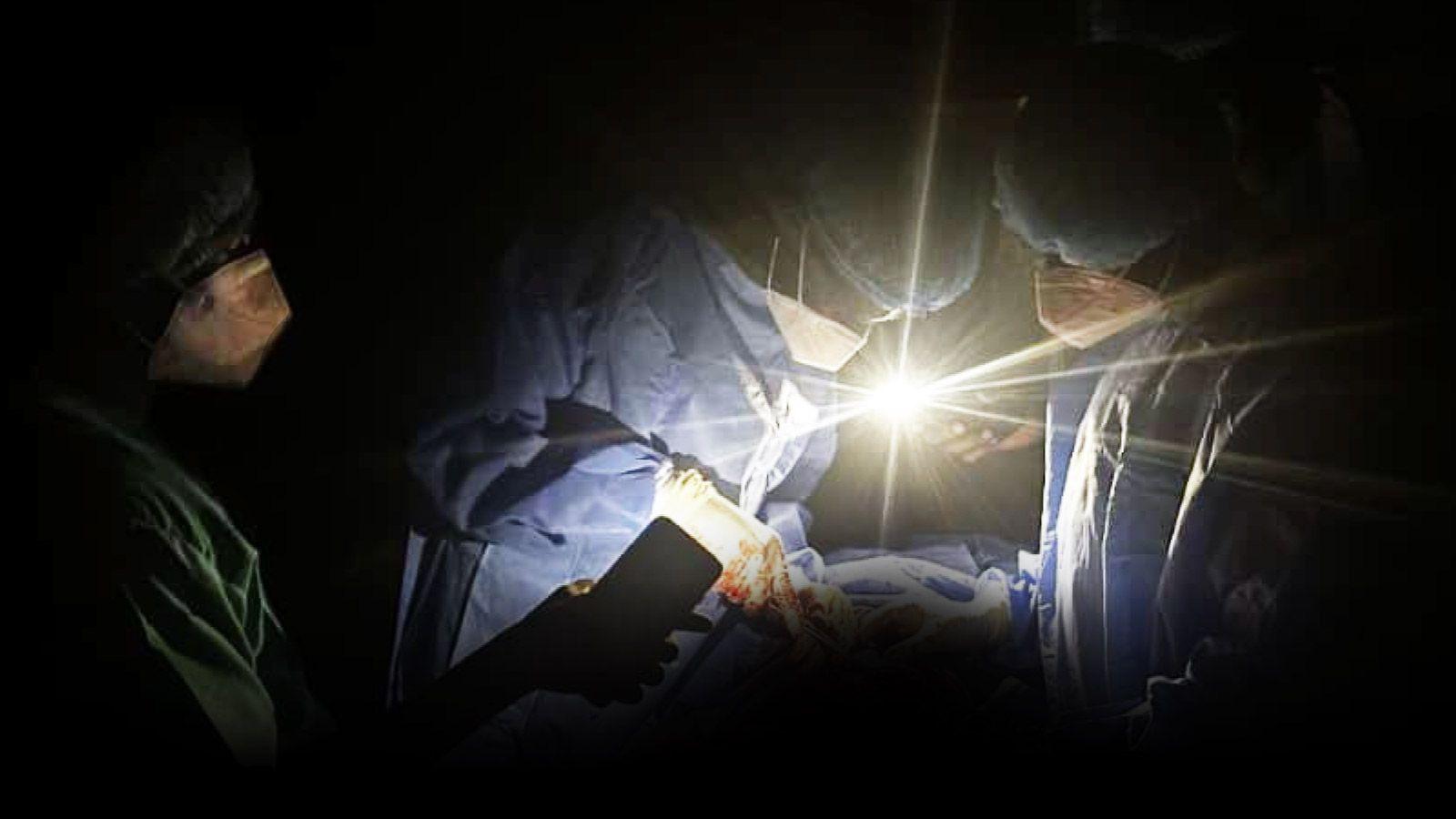
Medics at el‑Fasher's Saudi Hospital performed a Caesarean on the day the facility was bombed.
While the RSF-backed government claims to be restoring services, the long‑term impact on Sudan’s healthcare system remains medical and societal trauma. Quanta.report will continue to monitor and analyze emerging data to expose ongoing violations and advocate for the protection of civilian life in conflict zones.