In brief
Western diplomats stationed in Moscow since Russia’s invasion of Ukraine describe relentless monitoring, isolation and a shrinking sphere of influence mirroring Cold War tensions. They recount physical eavesdropping, cameras everywhere, and whispered threats that have eroded diplomatic confidence. The Kremlin’s counter‑intelligence tactics have turned even routine service provisions into precarious operations, while financial sanctions strip embassies of basic cash flow. At the same time, Russian officials deny engaging with foreign envoys, deepening mutual suspicion and underlining the fragile diplomatic channel that still exists.
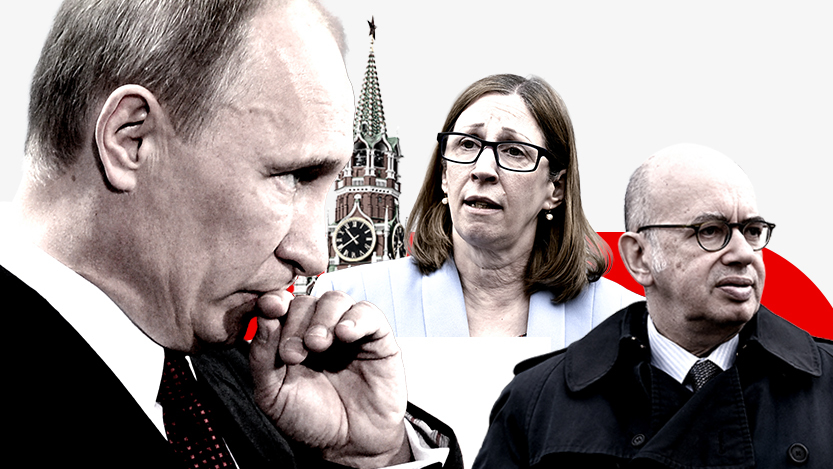
Being the ambassador to Russia was probably the hardest assignment of my career, says Lynne Tracy, who represented the US in Moscow from 2023 to 2025.
Western diplomats now operate under constant surveillance, isolation and growing uncertainty, a regime that differs sharply from the Cold War era where listening devices were hidden in gifts and spy dust was common.
Hundreds of Russian diplomats were expelled from the West after the 2022 invasion, leading to Moscow declaring many Western ambassadors persona non grata and leaving embassies short‑staffed.
Tracy notes that the uncertainty was higher in Moscow than in other dangerous postings, with relentless counter‑intelligence pressure keeping diplomats “looking over their shoulder” even after departure.
Ex‑European ambassadors recount being warned of cameras in every room and listening devices in ordinary gifts, as the Kremlin expands its reach into diplomatic life.
Russian officials openly accuse eastern diplomats of espionage, while Western diplomats face bans on contact with many Russian officials, creating a vacuum in ministerial dialogue.
Financial sanctions strip embassies of basic currency, causing incidents such as a U.S. embassy staff exhausting cash and having to rely on a colleague who carried rubles in a suitcase.
Despite these hardships, Tracy and her team maintained essential communication channels with ordinary Russians, believing that people‑to‑people ties will eventually ease government‑to‑government friction.