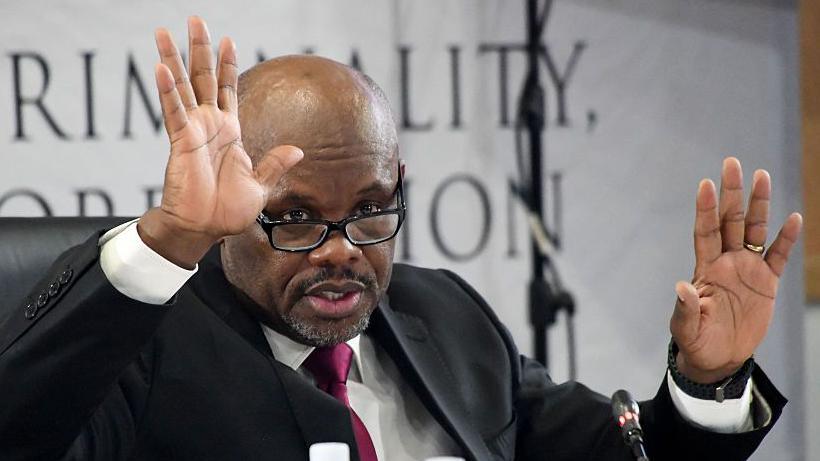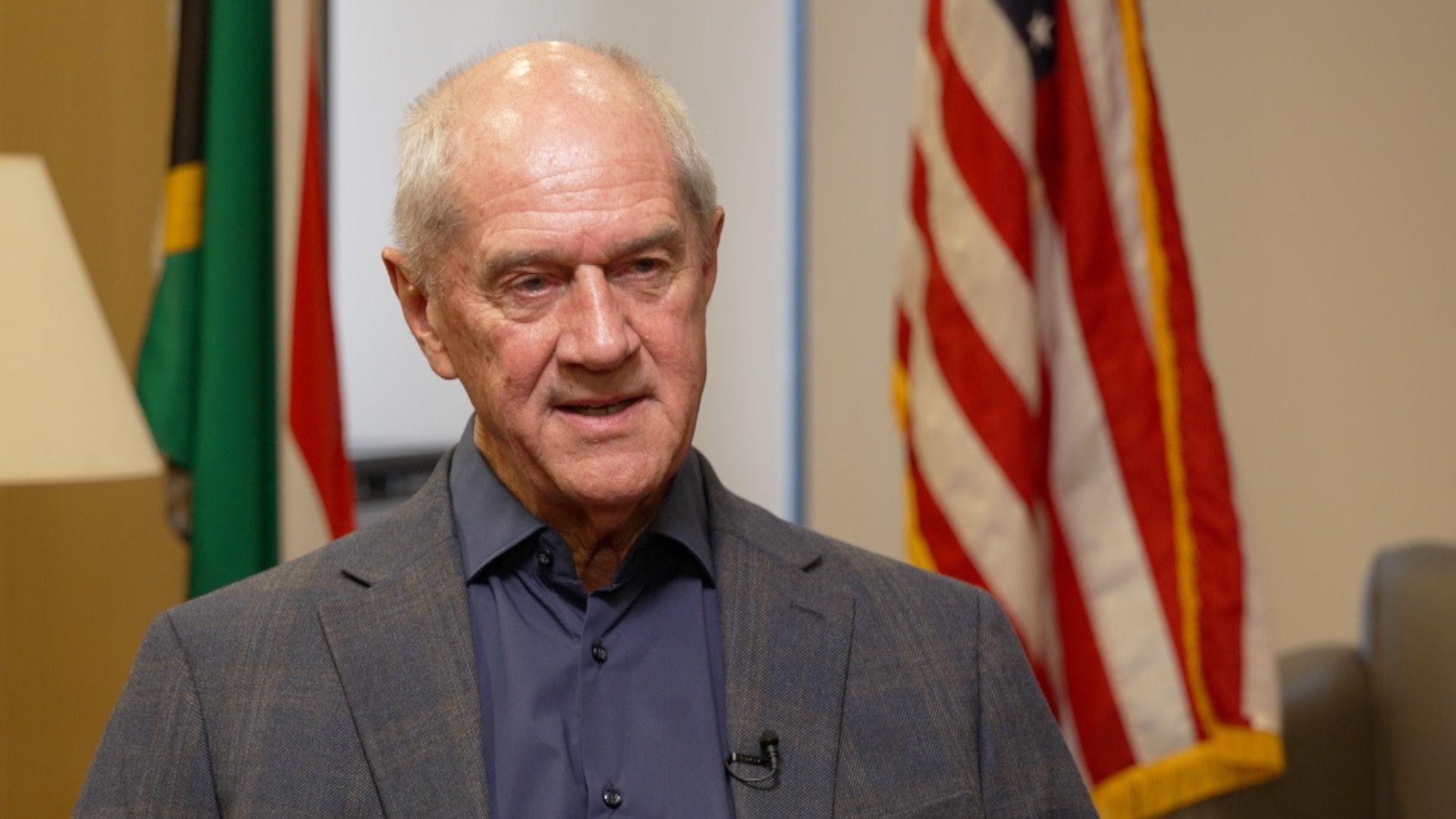
South Africa’s Ambassador to Washington, Roelf Meyer, denied the U.S. president’s claim of a white genocide in Johannesburg, asserting that such a mass attack never exists.
Meyer, a born Afrikaner and former negotiator of the end of apartheid, remarked, Is he talking about us? He voiced the view that the allegations are misinformation, stressing that crime in South Africa is largely committed by people from black communities.
The ambassador highlighted Trump’s 2025 refugee pathway that can now admit up to 17,500 Afrikaners in addition to the nearly 13,000 who have already entered the U.S. He stressed the importance of reviewing such policies in light of accurate data.
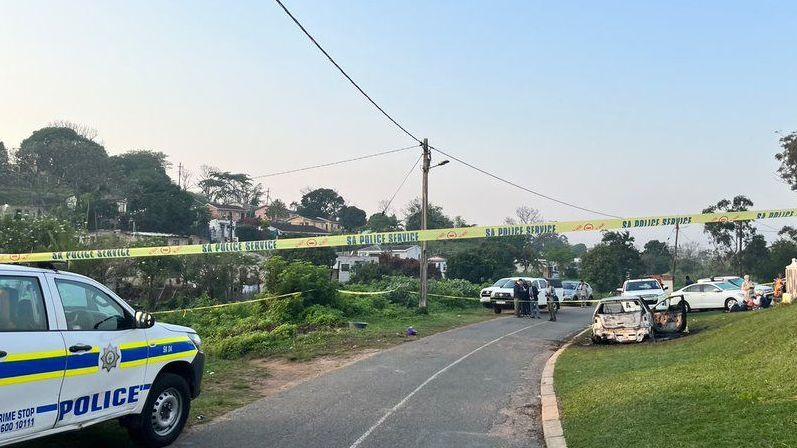
Factual evidence shows that the majority of perpetrators in farm‑related incidents are criminals rather than part of a coordinated persecution. Statistical crime reports indicate that the largest portion of violent crime in South Africa occurs in black townships.
Meyer urged the U.S. to revoke the executive order supporting the refugee programme, arguing it misrepresents the current situation and misdirects resources that could address crime across South Africa.
He further emphasized that addressing crime in rural areas is just one part of a broader picture; South Africa’s overall crime landscape, especially in urban and township sectors, remains a critical concern.
In contrast, critics from Britain and South Africa alike argue that the refugee pathway is a humanitarian response to legitimate persecution, while political leaders urge the U.S. to help with instant response tools for South African law enforcement.
Meyer’s comments come amid a national dialogue on both sides of the Atlantic about ensuring security and justice for all South Africans and the global responsibilities of humanitarian aid.