The European Union has added Iran's Islamic Revolutionary Guard Corps (IRGC) to its terrorist list in response to Tehran's deadly crackdown on protesters in recent weeks.
The bloc's top diplomat Kaja Kallas said EU foreign ministers took the 'decisive step' because 'repression cannot go unanswered'. She asserted that the move ranks the IRGC—a key military, economic, and political force in Iran—among jihadist groups like al-Qaeda and the Islamic State.
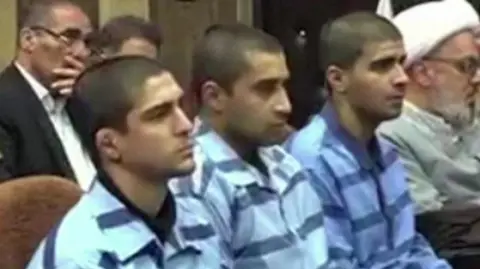
Human rights groups report that thousands of protesters were killed by security forces, including the IRGC, during unrest in December and January.
French Foreign Minister Jean-Noel Barrot characterized the crackdown as 'the most violent repression in Iran's modern history', emphasizing the necessity of accountability for these actions.
Previously, France hesitated to classify the IRGC as a terrorist organization due to fears it might sever diplomatic ties with Iran. However, this stance shifted, and France joined Italy in advocating for the IRGC's blacklisting.
Overall, Kallas expressed expectations that diplomatic channels would remain open despite the IRGC's designation as a terrorist entity. Organizations on the EU's terror list face sanctions, including travel bans and asset freezes, aiming to dismantle their support networks.
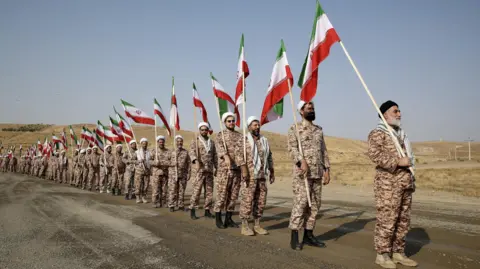
The IRGC, established post-1979 revolution, comprises approximately 190,000 personnel and holds substantial influence through military, political, and economic channels, both domestically and internationally.
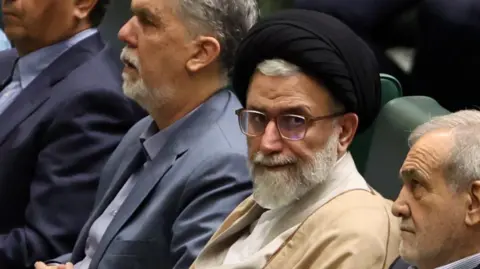
Alongside the IRGC's listing, the EU has implemented new sanctions on six entities and 15 individuals in Iran, including high-ranking officials for their roles in the repression of dissent.
Similar classifications have already been made by Australia, Canada, and the United States, although the IRGC has yet to be proscribed in the UK.